

Table of Contents
Why Does Your Car Won’t Start But Lights Come On?
If the car won’t start, but the lights come on, your battery has enough power for the lights but not the engine. This can happen when the battery is weak, the starter is bad, or there’s a problem with the ignition system.
What Are The Causes When Your Car Won’t Start But Has Power?
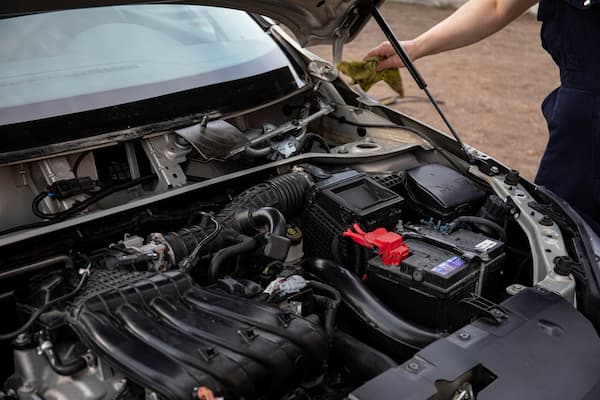
When your car has power but won’t start, it can be from a weak battery, a bad starter, a broken ignition switch, no fuel getting to the engine, or a blown fuse stopping things from working.
Dead Or Weak Battery
Even a nearly dead battery can power lights but fail to start the engine. Dash lights and accessories draw minimal power, while the starter needs much more. When you suspect a battery issue, test it with a voltmeter and consider a jump-start.
A Faulty Starter Motor
A malfunctioning starter motor means your car stays silent even when power is present. Look for symptoms like a single click or no sound at all. Regular inspections can help you catch starter issues early.
Ignition System Problems
The ignition switch sends the signal to start your engine. When it’s defective, nothing happens—even though the dashboard lights up. You can test this using a multimeter. When it’s faulty, replace it before it fails.
Fuel Delivery Issue
No fuel means no combustion. A faulty fuel pump or clogged filter can stop fuel from reaching the car engine. Listen to whether the fuel pump is humming when you turn the key. When it’s silent, that’s a red flag.
Hidden Electrical Or Fuse Problems
A blown fuse, a bad relay, or corroded wiring can disrupt the starting circuit. These issues may not affect the lights, but can stop your car from cranking. Periodically inspect the fuse box and key relays.
Bonus Tip: Also, check for issues like anti-theft systems accidentally disabling the ignition.
What Troubleshooting Steps Should You Take?
Test the battery, listen for a humming sound from the fuel pump, check fuses for breaks, and see if the starter and ignition switch work to fix the problem. These steps help find what’s stopping the car from starting.
1. Check The Battery Voltage
Use a tool called a multimeter. Place its tips on the battery’s metal posts to check the battery. A good battery shows about 12.6 volts. When it’s below 12.2 volts, your car might have trouble starting.
2. Tap The Starter To Temporarily Fix It
Yes, gently hitting the starter with a tool can sometimes make stuck parts move, helping the car start. Yet, this is only a quick fix, and it means the starter will need repair or replacement soon.
3. Test The Ignition Switch
With the key in the “ON” position, test voltage at the ignition terminals using a test light. When there’s no signal to the starter solenoid, your ignition switch might be to blame.
4. Inspect The Fuel Pump And Filter
Turn the key to “ON” and listen for a soft hum. When there’s no sound, the pump may have failed. Also, inspect for leaks or a clogged fuel filter that could block fuel flow.
5. Check The Fuses And Relays
Find the fuse box and look for fuses that control the ignition and starter. When a fuse is broken, replace it. You can also test relays by switching them with ones you know work.
What DIY Fixes Can You Try At Home?
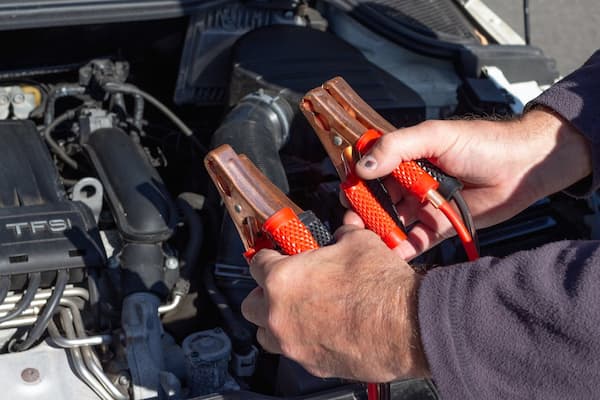
You can try starting the car with jumper cables, replace any blown fuses, gently tap the starter to loosen stuck parts, or check the battery and fuel pump to make sure they are working properly.
Jump-Start The Car
Jump-starting is often the quickest solution for a weak battery. Use jumper cables or a portable jump starter and follow safety protocols. After starting, drive for 15–20 minutes to recharge the battery.
Replace The Faulty Starter Motor
When you’re comfortable with car repairs, replacing the starter involves disconnecting the battery, removing the old starter, and bolting in a new one. Use a repair manual for your specific car model.
Repair The Ignition Switch Yourself
You can sometimes fix an ignition switch yourself by tightening loose wires or putting in a new one using simple tools. Yet, it’s safest to follow your car’s repair guide to avoid mistakes or damage.
Maintain Your Fuel System
Look for leaks in the fuel lines, change any clogged fuel filters, and check if the fuel pump has the right pressure. Taking care of the fuel system helps your car start easily and keeps the engine healthy.
What If You Find Blown Fuses?
When you find a blown fuse, replace it with one that has the same power rating. Keep extra fuses in your glovebox so you can quickly fix the problem if it happens while you’re driving.
Frequently Asked Questions
1. Why Does My Car Have Power But Still Won’t Start?
Your battery can have just enough juice for lights, but not enough to crank the engine. It could also be a starter or ignition issue.
2. How Can I Tell If It’s The Battery Or The Starter?
When your car clicks or makes no sound, it could be the starter. When the engine slowly cranks or the lights dim, it’s likely the battery.
3. Can A Blown Fuse Stop My Car From Starting?
Yes. A blown fuse in the ignition or fuel system can prevent the car from starting, even if the battery and starter are fine.
Conclusion: What Should You Do Next?
When your car won’t start but the lights come on, don’t panic. Start with the battery, then work your way through the starter, ignition switch, fuel system, and fuses. Most issues can be diagnosed—and sometimes fixed—at home.
Still stuck? That’s when it’s time to call a trusted mechanic. Either way, now you’re armed with the knowledge to handle it confidently.
