

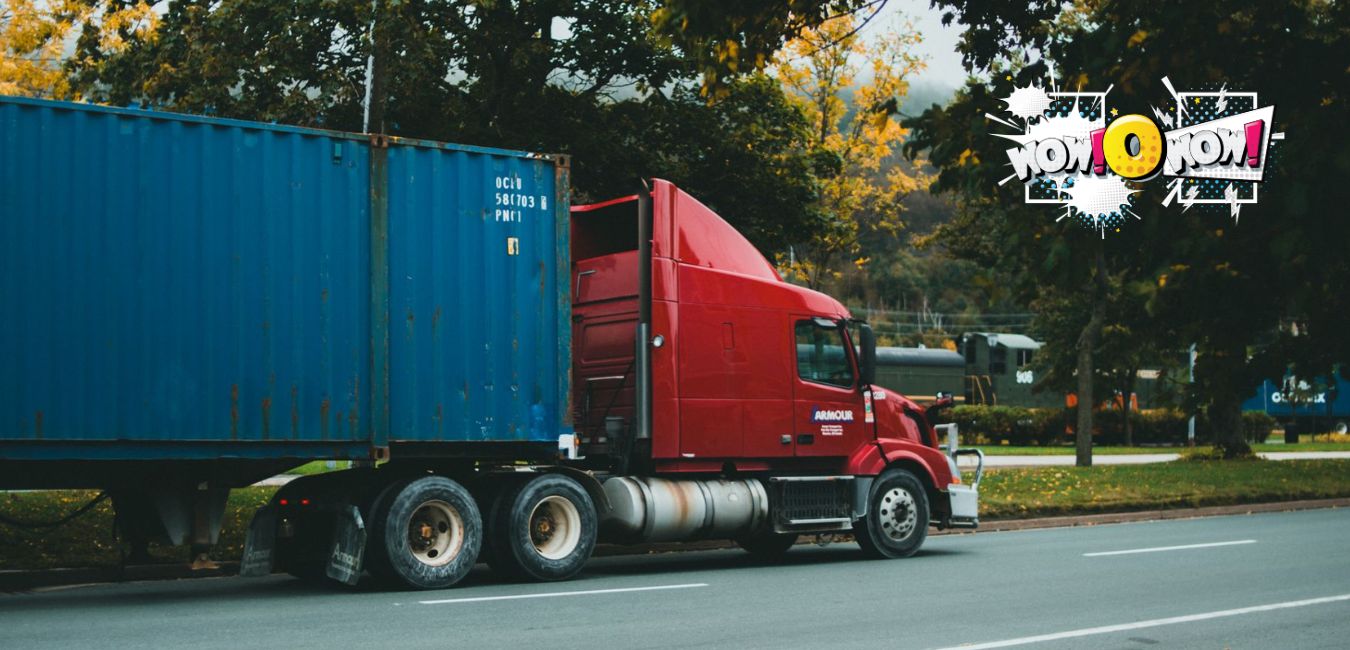
Logistics plays an essential role in the success of modern businesses. From transporting goods and managing deliveries to coordinating shipments and maintaining supply chains, efficient logistics ensures that products reach their destinations safely and on time. As businesses expand into new markets, the demand for dependable logistics services continues to grow. https://www.divinetrans.com/page/professional-transportation-of-less-than-truckloads represents the type of logistics-focused business that can help organizations manage transportation challenges, improve operational efficiency, and maintain reliable delivery processes.
In a competitive business environment, companies need more than transportation alone. They require organized planning, clear communication, careful coordination, and solutions that support their changing operational needs. By focusing on these priorities, Divine Enterprises can serve as a valuable logistics partner for businesses seeking dependable support throughout their supply chain operations.
Table of Contents
Understanding The Importance Of Logistics Solutions
Logistics involves the planning, implementation, and management of how goods move from one location to another. It can include transportation, shipment coordination, warehousing, inventory handling, and delivery management. When these activities work together effectively, businesses can reduce unnecessary delays and maintain a smoother flow of products.
Poor logistics management can create several challenges. Delayed shipments may affect customer satisfaction, while inefficient transportation can increase operating expenses. Problems with inventory coordination can also interrupt production and prevent businesses from fulfilling orders on schedule.
A well-organized logistics system helps address these issues by improving visibility and coordination across different stages of the supply chain. For companies looking to streamline their operations, working with a logistics provider such as Divine Enterprises may offer a practical way to manage transportation requirements and organize deliveries more efficiently.
How Divine Enterprises Supports Business Operations
A dependable logistics provider understands that every business has different transportation needs. A small company delivering products to local customers may require a different service arrangement than a manufacturer moving large quantities of goods between distribution centers.
Divine Enterprises can position its logistics solutions around flexibility, reliability, and customer requirements. Effective logistics support begins with understanding shipment details, delivery schedules, destination requirements, and the specific challenges a business faces. This information helps establish an organized approach to moving goods.
Communication is equally important. Businesses need timely updates about their shipments, particularly when deliveries involve several locations or multiple stages of transportation. Clear communication helps companies prepare for incoming goods, coordinate staff, and respond quickly when unexpected situations occur. By emphasizing organized processes and responsive service, a logistics company can help customers manage their day-to-day transportation activities while allowing them to concentrate on their primary business goals.
Improving Efficiency Through Better Transportation Planning
Transportation is one of the most important parts of logistics management. Choosing suitable routes, coordinating vehicles, planning schedules, and accounting for potential delays can significantly influence delivery performance.
Effective planning starts with understanding the requirements of each shipment. Factors such as distance, delivery deadlines, cargo characteristics, road conditions, and transportation costs can affect the best approach. Careful preparation helps businesses avoid unnecessary movement and make better use of available resources.
Divine Enterprises can contribute to more efficient operations by prioritizing structured shipment planning and coordination. A clear transportation process can help reduce confusion, improve scheduling, and support more predictable delivery timelines.
Technology can also improve transportation management. Digital tracking systems, electronic documentation, and logistics management software allow businesses to organize shipment information and monitor progress. When these technologies are available and properly implemented, they can provide greater visibility into logistics operations and support informed decisions.
The Role Of Customer Service In Logistics
Customer service is an important factor when selecting a logistics partner. Businesses want to work with providers that understand their requirements, respond to questions, and communicate honestly about delivery schedules. A shipment may occasionally face unexpected challenges, including traffic congestion, severe weather, documentation problems, or changes in delivery arrangements. In these situations, timely communication can make a meaningful difference. Customers need accurate information so they can adjust their plans and manage expectations.
For Divine Enterprises, a customer-focused approach can involve listening carefully to clients, confirming shipment details, providing relevant updates, and addressing concerns promptly. These practices help establish professional relationships and create a more transparent service experience.
Building trust also requires consistency. Businesses are more likely to maintain long-term relationships with logistics providers that demonstrate accountability and take practical steps to resolve problems. Reliable service is not simply about completing deliveries; it is also about handling the entire process responsibly.
Supporting Supply Chain Management
Supply chains connect suppliers, manufacturers, distributors, retailers, and customers. Logistics helps keep these participants connected by coordinating the movement of products between different stages. When transportation and inventory processes are poorly coordinated, businesses may experience shortages, excess stock, or delays in fulfilling customer orders. These problems can increase expenses and make planning more difficult.
A structured logistics service can help businesses maintain better coordination between suppliers and delivery destinations. For example, companies may need to arrange regular shipments of raw materials, transfer finished products to warehouses, or distribute orders to multiple customers. Each activity requires accurate scheduling and clear information.
Divine Enterprises can support these requirements by focusing on organized transportation processes and practical coordination. As businesses grow, scalable logistics arrangements become increasingly valuable because shipment volumes, delivery locations, and customer expectations may change over time. A flexible logistics partner can help companies adapt their operations without losing sight of service quality, delivery requirements, and cost management.
Why Reliability Matters In Modern Logistics
Reliability is a major consideration in logistics because delivery performance directly affects business operations. Customers expect orders to arrive within the promised timeframe, while businesses depend on suppliers to provide materials when needed.
A reliable logistics process includes realistic scheduling, careful shipment handling, accurate documentation, and clear communication. These elements work together to reduce avoidable problems and improve confidence throughout the supply chain.
Businesses evaluating Divine Enterprises or any other logistics provider should consider several factors, including service availability, transportation capabilities, pricing transparency, shipment security, communication practices, and the ability to accommodate specific delivery requirements.
It is also useful to review a provider’s documented experience, customer feedback, and service terms before entering into a long-term agreement. Asking detailed questions about shipment tracking, claims procedures, delivery estimates, and contingency planning can help businesses make informed decisions.
Choosing a logistics partner based on clearly defined needs can create a stronger foundation for dependable transportation and long-term operational efficiency.
Conclusion
Divine Enterprises highlights the importance of dependable logistics solutions in a business environment where timing, coordination, and customer expectations matter. Effective logistics involves much more than moving goods from one place to another. It requires thoughtful planning, organized transportation, transparent communication, and a consistent focus on service quality.
For businesses seeking to improve their supply chain operations, the right logistics partner can help simplify transportation activities, support delivery planning, and create more efficient workflows. By prioritizing reliability, flexibility, and customer-focused processes, Divine Enterprises can present a valuable approach to addressing modern logistics challenges.
As supply chains continue to evolve, businesses will increasingly benefit from logistics solutions that respond to changing demands and support sustainable growth. Strong logistics management remains an important foundation for building customer trust, controlling operational challenges, and maintaining competitiveness in an increasingly connected marketplace.
