

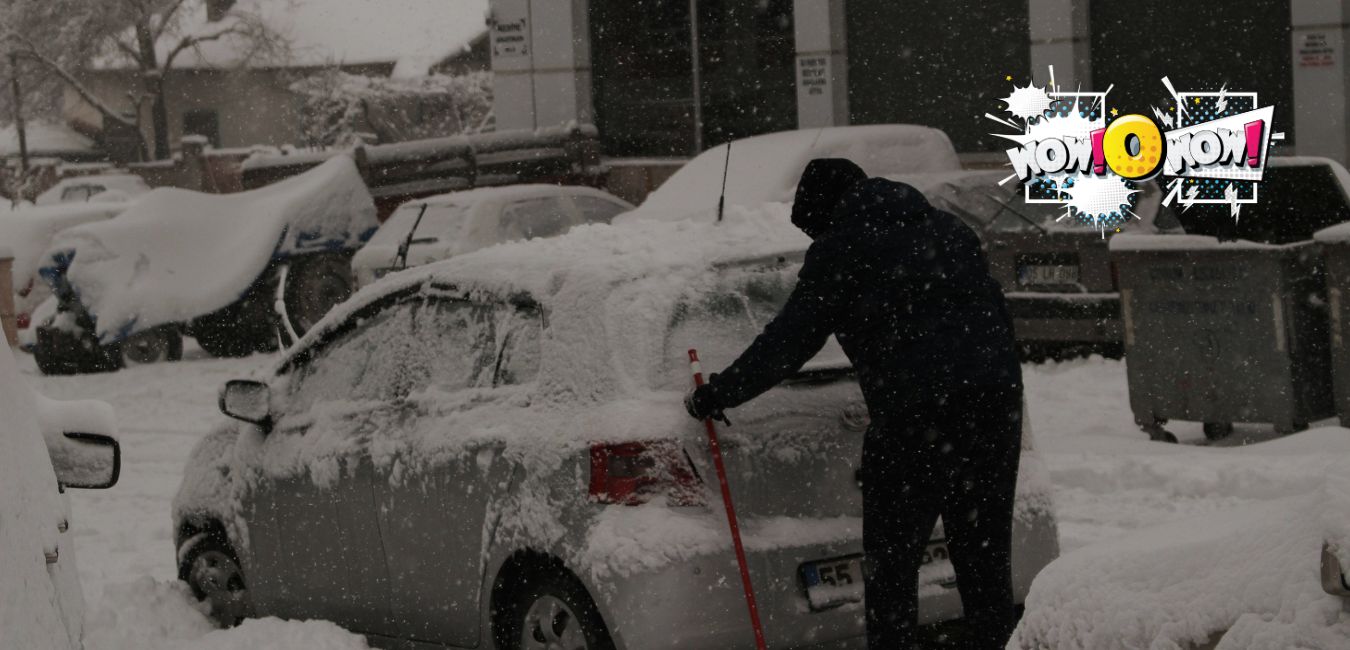
Cold mornings can bring frustrating surprises, especially when your car refuses to start. If your vehicle won’t start when cold but starts when warm, you’re not alone. This guide will help you pinpoint the most common causes and how to fix them, especially in freezing temperatures that test your car’s reliability.
Table of Contents
Why Cold Weather Affects Car Starting
1. Battery Power Drops In The Cold
- Battery chemistry slows down in low temperatures, reducing its ability to deliver cranking power.
- A battery that’s over 3 years old may already be weakened. Cold weather amplifies this weakness.
- Cold Cranking Amps (CCA) measure how well your battery performs in the cold. If your CCA rating is too low for your region, you may struggle with cold starts.
Signs of battery trouble in cold weather:
- Dim headlights
- Clicking sound when turning the key
- Slow engine crank
Fix:
- Test your battery before winter.
- Replace it if it’s weak or over 4 years old.
- Use a battery maintainer or park in a garage to help retain warmth.
2. Engine Oil Gets Too Thick
- Oil viscosity increases in the cold, making it harder for the engine to turn over.
- Thick oil resists movement, forcing the starter and battery to work harder.
- Older oil or the wrong grade of oil can make this worse.
Fix:
- Switch to winter-grade oil recommended by your car manufacturer (e.g., 5W-30).
- Stick to regular oil change intervals.
- Check your owner’s manual for oil specs suited to your climate.
3. Fuel Line Freezing
- Moisture in the fuel system can freeze, blocking fuel delivery to the engine.
- Ethanol-blended fuels absorb water more easily, increasing freeze risk.
Fix:
- Keep your fuel tank at least half full.
- Use winter fuel additives or fuel-line antifreeze.
- Opt for winter-blend gasoline where available.
- Store your car in a garage if possible.
Ignition System Problems
Spark Plug Issues
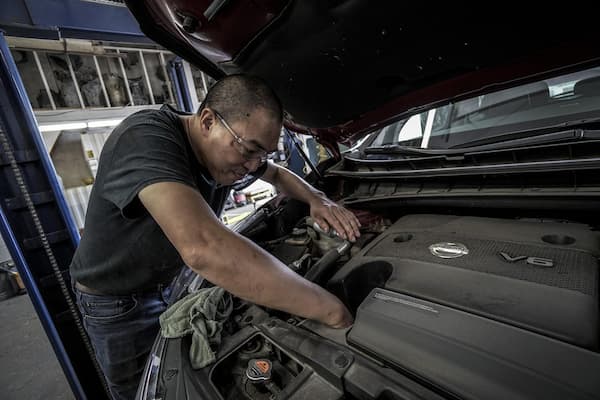
- Cold engines require a stronger spark to ignite the fuel-air mix.
- Worn or fouled spark plugs fail to produce a consistent spark.
- Bad plugs can mimic battery failure symptoms.
Fix:
- Inspect and replace spark plugs every 30,000–50,000 miles (or as recommended).
- Use platinum or iridium plugs for longer life and better cold performance.
Ignition Coil Or Distributor Moisture
- Cold temps and condensation can affect the coil or distributor cap.
- Moisture disrupts voltage delivery to spark plugs.
- Cracks in these parts let moisture in, especially after snowfall or heavy rain.
Fix:
- Ensure components are dry and properly sealed.
- Replace cracked distributor caps or coil packs.
- Use dielectric grease to seal ignition boots.
Diagnosing & Preventing Cold Start Issues
Quick Troubleshooting Checklist
| Symptom | Likely Cause | Fix |
| Slow crank | Weak battery | Test/replace battery |
| No crank | Frozen fuel line | Use additive, keep tank full |
| Cranks but no start | Spark plug or ignition issue | Inspect ignition components |
Maintenance Tips Before Winter
- Battery load test and terminal cleaning
- Oil change with cold-weather-appropriate viscosity
- Replace old spark plugs
- Test alternator performance
- Use engine block heater in extreme climates
When To Call A Mechanic
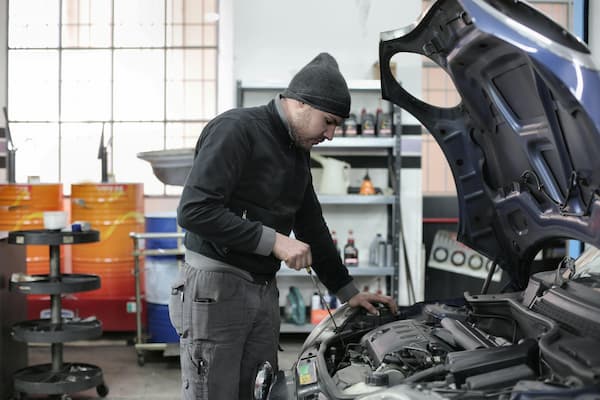
- Car still won’t start after battery and oil changes
- Fuel or ignition diagnostics needed
- Repeated non-starting on cold mornings
- Intermittent issues that worsen in freezing weather
Engine Block Heaters And Antifreeze
In extremely cold climates, an engine block heater can be invaluable. It keeps your engine’s coolant and oil warm, which helps the engine start more easily. Simply plug it in overnight.
Additionally, antifreeze (coolant) prevents your engine from freezing and helps maintain proper engine temperature. A lack of antifreeze can also cause your heater not to work, leading to comfort and engine issues.
Tips:
- Check your antifreeze level and freeze point before winter.
- Replace old coolant every 2-3 years.
- Use a 50/50 mix of antifreeze and distilled water unless otherwise directed.
Frequently Asked Questions
1. What Causes Cold Start Failure But Not Warm Start Issues?
Usually a weak battery or thick engine oil. These problems are amplified in the cold but not noticeable once the engine warms up.
2. Will A New Battery Solve My Cold Starting Problem?
If the old battery is weak or has low CCA, yes. But also check oil grade, spark plugs, and fuel system.
3. Should I Use A Block Heater?
If you live in regions where temperatures dip below 20°F, yes. It pre-warms the engine and oil, reducing strain on your battery.
4. How Can I Tell If My Fuel Is Freezing?
If the engine cranks but doesn’t start and you haven’t used fuel-line antifreeze, freezing could be the culprit.
5. What Kind Of Oil Should I Use In Winter?
Use the viscosity recommended in your manual for cold weather—commonly 5W-30 or 0W-20 for modern engines.
Final Thoughts
If your car won’t start when cold but starts when warm, you’re likely facing a battery, oil, or fuel system issue triggered by freezing temperatures. Don’t wait for a breakdown in the middle of winter—get proactive. A few small checks today can save you major headaches tomorrow. Cold start issues are common but manageable with the right preparation, tools, and maintenance habits. Stay warm and stay safe on the road this winter.
