


How often should I drive my car? This question arises in the minds of many car owners. It’s a query that seems simple, yet the answer is layered with nuance and significance.
To maintain your car’s health, it’s best to drive it at least once a week for a short distance. This regular use helps preserve the battery, engine, and tire condition. Additionally, a longer drive monthly supports fluid circulation and overall vehicle maintenance.
Here, we’ll unlock the secrets of the optimal driving frequency, blending practical advice with insightful tips. So buckle up as we navigate through the benefits of regular use and the risks of leaving your car idle.
Table of Contents
Key Takeaway
- Weekly Engine Care: Short weekly car drives are crucial for maintaining engine and battery health.
- Monthly Maintenance Trips: Engage in longer drives each month to ensure fluid circulation and preserve tire condition.
- Seasonal Considerations: Adapt your driving frequency to suit extreme weather conditions for optimal car care.
Ideal Driving Frequency

Driving your car regularly is important for its health. Not using a car for too long can lead to problems. Driving it often keeps it in good condition.
Short Trip Frequency
Taking your car for short trips regularly is more important than you think. Driving your car for short trips is key. Do this at least once a week. Short trips mean driving for about 30 minutes.
This helps your car’s battery stay charged. It also keeps the engine running smoothly. Short drives help oil flow through the engine. They also prevent brakes from sticking. Drive regularly if you only drive short distances.
Long Drive Recommendations
Longer drives, taken occasionally, play a significant role in your car’s health. When you drive for extended periods, it allows your car’s battery to charge fully and the engine to reach its optimal operating temperature.
Take your car for a long drive at least once a month. A long drive means more than an hour on the road. It helps your car’s parts move and work. Long drives help clean the exhaust system.
These drives keep fluids moving in your car. Long drives reduce the risk of parts getting stuck or rusting. They also help maintain the health of your car’s transmission, brakes, and suspension system by keeping them actively engaged.
Seasonal Considerations
Seasonal changes greatly impact how often you should drive your car. In colder months, it’s important to drive more frequently to prevent your battery from losing charge in low temperatures. Your car needs different care in different seasons.
In winter, drive it more to stop parts from freezing. Cold weather is hard on batteries and engines. More frequent drives keep them working.
In summer, driving prevents parts from drying out. Heat damages the car’s battery and tires. Regular use keeps these parts in better shape. Adjust your frequency of driving and car care routine based on the season.
Manufacturer’s Advice
Always pay attention to the manufacturer’s advice regarding driving frequency. Different cars have different needs, and the manufacturer’s guidelines are tailored to the specific model of your car.
It tells you how often to drive and service your car. Following the manufacturer’s advice is very important. It helps your car last longer. It also keeps the warranty valid. Your car’s manual is the best guide for maintaining it.
Sometimes the manufacturer also provides specific advice for battery care, oil changes, and tire maintenance based on usage. So, following the manufacturer’s guidelines is invaluable.
Personal Usage Patterns
Your driving habits play a significant role in determining the ideal driving frequency for your car. You need to take your car occasionally for a longer drive if you primarily use your car for short city trips, etc.
Conversely, make sure to give your car a good run even during periods of less frequent use if you often go on long drives. Consider how your daily routines impact your car.
Your car will be ‘sitting idle’ too much if you have a sedentary lifestyle. Balancing your driving patterns to include both short and long trips is beneficial.
Benefits Of Regular Use

Driving your car regularly keeps it working well. It helps the engine stay healthy, keeps the battery charged, and prevents rust. Let’s explore the benefits of driving your car regularly:
Engine Health Maintenance
Driving your car often keeps the engine healthy. When you drive, the engine heats up. This heat removes water and acid from the engine. It also helps oil move around the engine. This oil cleans and protects the engine.
Not driving leads to engine problems. The oil gets dirty if you don’t drive. Water in the engine causes rust. Driving regularly stops these problems. A healthy engine means the car runs better.
Battery Longevity
Regular use extends your car’s battery life. The battery charges when you drive. The battery loses charge if you don’t drive much. A low charge damages the battery. Driving often keeps the battery fully charged.
A fully charged battery works better and lasts longer. The battery dies if the car sits without driving. Replacing a battery is costly. Driving often is an easy way to avoid this cost.
Preventing Rust Formation
Driving your car stops rust from forming. Rust happens when the metal on your car meets air and moisture. Rust forms faster if your car sits still. Moving parts while driving stops rust.
It also keeps water from sitting in your car. This water causes rust. Driving in different weather helps. It stops parts from getting rusty. Rust damages your car badly. Regular driving is a simple way to prevent rust.
Tire Condition Preservation
Regular driving keeps your tires in good shape. Tires lose air if they sit without moving. They also get flat spots. This happens when the car’s weight presses on one part of the tire. Driving often prevents flat spots.
It keeps the air pressure right. Proper air pressure makes tires last longer. It also makes driving safer. Tires are a big part of your car’s safety. Keeping them in good condition is very important.
Fluid Circulation
Driving your car helps fluids move around. These fluids include oil, coolant, and brake fluid. They need to move to work right. These fluids sit still if you don’t drive. This leads to various problems.
Fluids get dirty or thick if they don’t move. Driving circulates these fluids. It keeps them clean and working well. Good fluid circulation makes your car run better. It also reduces the risk of car problems.
Risks Of Infrequent Use
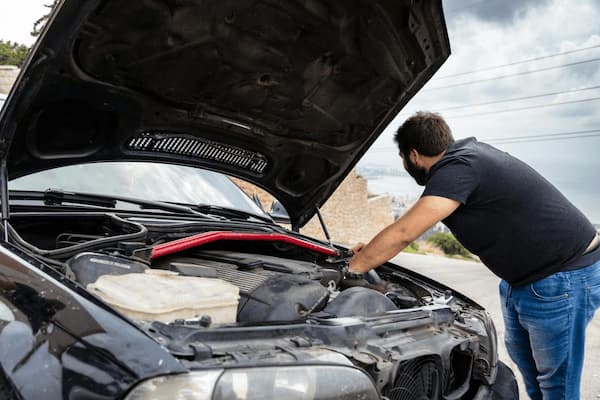
Not driving your car causes many problems. It leads to engine problems, battery issues, brake complications, tire damage, and fluid stagnation.
Engine Deterioration
Not driving your car often harms the engine. The engine needs to run to stay in good shape. When it doesn’t run, oil sits still. This leads to the oil getting thick. Thick oil doesn’t protect the engine well.
Water and acid build up in the engine. This causes rust inside the engine. Parts inside the engine stick or break. Not using the car makes the engine wear out faster. A worn-out engine leads to big repair costs.
Battery Drain Issues
The battery loses its charge if you don’t drive your car. A car battery needs to be charged by driving. Without driving, the battery gets weak. Sometimes, a weak battery does not start the car. It also stops working completely.
Replacing a car battery is expensive. Not driving also causes electrical problems. Car alarms and clocks use the battery. They do not work properly if the battery is weak. A drained battery is a common problem for cars not driven.
Brake Complications
Not driving your car causes brake problems. Brakes need to be used to work right. Rust forms on brake parts if you don’t drive. Rusty brakes don’t work well. They make noise or do not stop the car correctly.
Brake fluid also goes bad. Bad brake fluid damages the brake system. Fixing brakes is costly. Regular driving keeps brakes in good condition. Good brakes are important for safe driving.
Tire Degradation
Tires get damaged if you don’t drive your car. They lose air over time. Low air pressure damage tires. Tires also develop flat spots. Flat spots happen when the car’s weight presses on one part of the tire.
This makes driving rough and unsafe. Tires also crack if they sit too long. New tires are expensive. Regular driving keeps tires in better shape. It also makes them last longer.
Fluid Stagnation
Fluids in your car need to move. Fluids like oil and coolant sit still if you don’t drive. This leads to them getting dirty. Dirty fluids don’t protect your car well. They cause parts to wear out faster.
Brake fluid and transmission fluid also need to move. When fluids don’t move, they cause brake and gear problems. These problems are expensive to fix. Driving your car helps keep these fluids clean and moving. This keeps your car running well.
FAQs
1. Do Cars Need To Be Driven Often?

Yes, cars need to be driven often to stay in good shape. Driving often helps the engine, battery, and other parts work well. It also prevents rust and keeps fluids moving. Keep their parts working well and prevent problems.
2. Should I Start My Car Once A Week?
Yes, you should start your car once a week. This helps keep the battery charged and the engine in good condition. Short, regular drives help prevent many common car problems.
3. What Happens If Car Is Not Driven Often?
Several problems happen if a car is not driven often. The battery loses its charge and dies. The engine and brakes deteriorate, tires get damaged, and fluids become stagnant. This leads to expensive repairs.
Conclusion
The question “How Often Should I Drive My Car?” is important for every car owner. Driving your car regularly is the key to keeping it in good condition. Whether it’s short trips or long drives, each drive helps.
It keeps the engine, battery, and brakes working well, much like understanding what DS mean in a car helps in operating it efficiently. It also stops rust and keeps the tires and fluids in good shape. Remember, not using your car leads to many problems. These are costly to fix.
So, drive your car often to keep it running smoothly and avoid these issues. Your car will thank you for it!
