

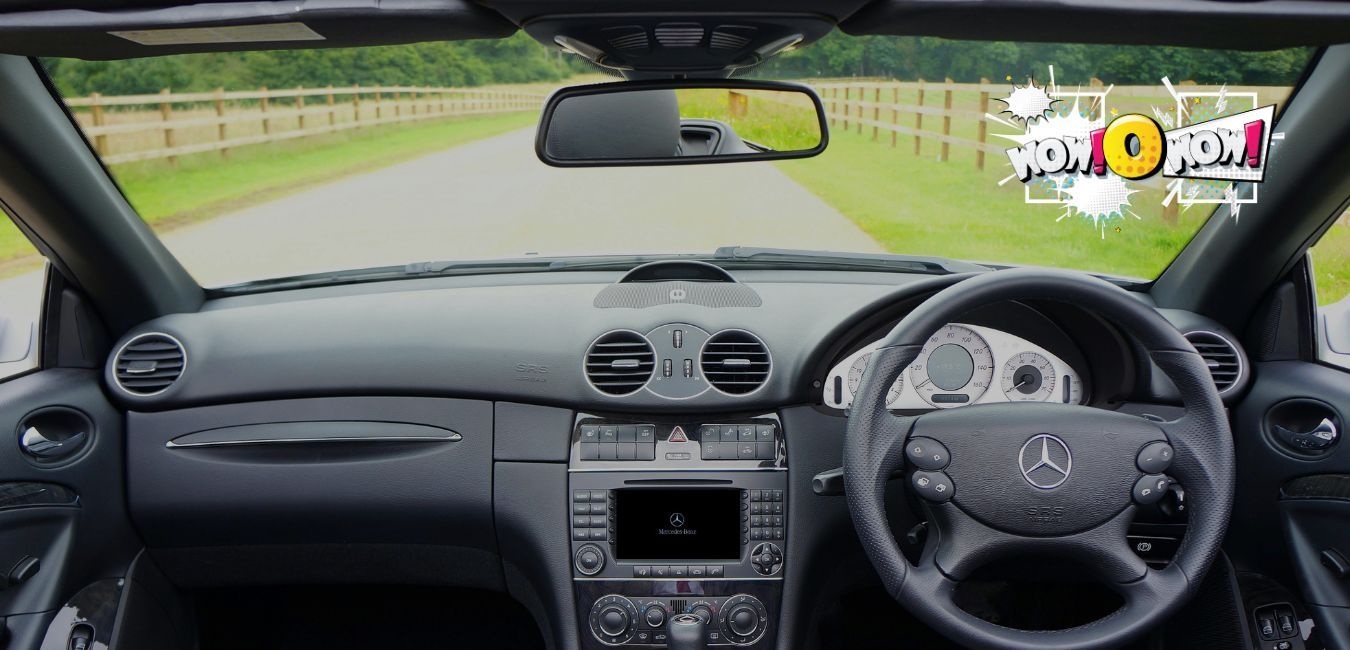
In modern cars, many drivers can come across the term “DS” on their gear shift or dashboard. DS stands for Drive Sport, a mode that allows the car to perform more dynamically. If you’re looking to fully experience this dynamic performance, consider the option to rent Ferrari Dubai. Driving a Ferrari with DS mode activated lets you explore its full potential on the scenic roads of Dubai, enhancing both speed and responsiveness for an exhilarating ride.
DS, or Drive Sport mode, is a feature in automatic cars. It makes driving more exciting. It improves how fast the car reacts, speeds up the engine, boosts acceleration, and tightens steering. It helps the car shift gears faster and gives better control when driving fast or on winding roads.
This extensive article will explain the DS mode in detail. It will also discuss how it changes the way your car drives. Read it to explore more.
Table of Contents
Key Takeaways
- Drive Sport (DS) Mode: A setting that boosts car performance. This makes it faster and more fun to drive.
- Increased Acceleration: DS mode adjusts the transmission to provide quicker acceleration for more spirited driving.
- Enhanced Gear Shifts: It alters shift patterns. This allows for higher RPMs before shifting to increase power output.
Understanding DS In Cars
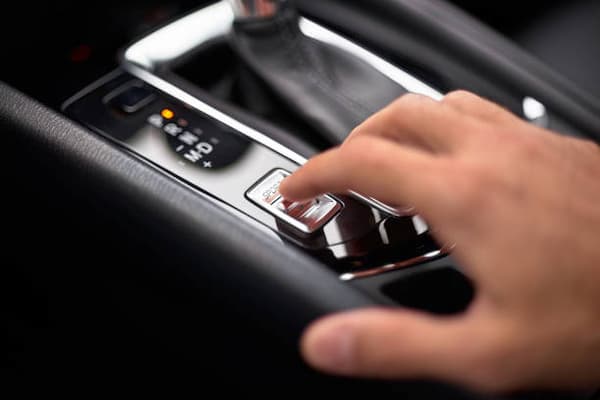
Drive Sport (DS) mode is a feature in automatic cars that enhances the vehicle’s performance. When activated, the car’s computer adjusts certain settings, such as throttle response and gear shifting, to make driving more exciting and engaging. DS mode is designed for those moments when you want to feel more connected to the road and enjoy a sportier driving experience.
How DS Mode Affects Driving
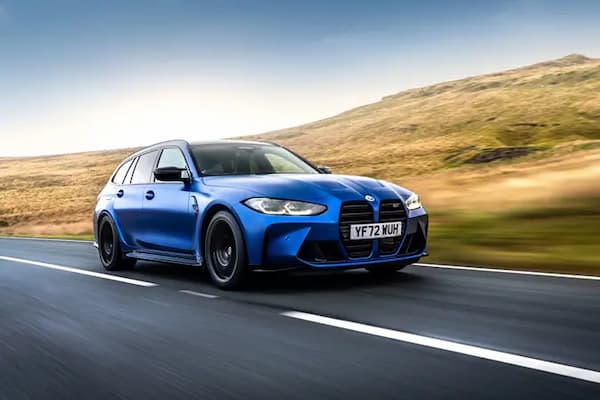
DS mode, or Drive Sport mode, changes the way a car drives to make it more exciting and responsive. It improves things like how quickly the car speeds up, how the engine runs, and how the car handles. These adjustments help the driver have better control, especially in more challenging driving conditions.
Enhanced Throttle Response
Enhanced throttle response means the car reacts faster when you press the gas pedal. In DS mode, even a small push makes the car speed up quickly. This makes driving feel more powerful and exciting because the car responds immediately to your commands. The engine delivers more power with less effort, giving you better control. This is especially true when you want to drive faster or need quick acceleration in different driving situations.
Higher Engine Revs
When you switch to DS mode, the engine revs (the speed at which the engine runs) are kept higher. This gives the car more power and makes it ready to accelerate faster. In normal driving modes, the engine shifts to lower revs to save fuel, but in DS mode, higher revs provide more speed when needed.
Quicker Gear Shifts
In DS mode, the car changes gears faster and in a more controlled way. Normally, the car shifts gears quietly and smoothly, but in DS mode, it holds each gear for longer. This means the car can build up more power before switching gears, which helps when you need to speed up quickly or pass other cars. The quicker gear shifts make the car feel stronger and more responsive when you drive fast or need extra power.
Improved Acceleration
In DS mode, the car speeds up faster because it improves how the engine and gears work together. The engine runs at higher speeds, and the car responds quickly when you press the gas pedal. This faster reaction and gear shifting make the car accelerate much quicker than in normal driving. It’s helpful when you need to increase speed quickly. For example, when passing other cars or merging onto a busy highway. This gives you more power and control.
Tighter Handling And Control
In DS mode, the car’s steering becomes tighter, meaning it responds more directly to how you turn the wheel. This gives you better control over the car, especially when driving around sharp turns or winding roads. The improved handling makes the car feel more stable and connected to the road, helping you steer more easily and safely. It seems like having a firmer grip. This allows you to handle challenging driving conditions with greater confidence and precision.
When To Use DS Mode?
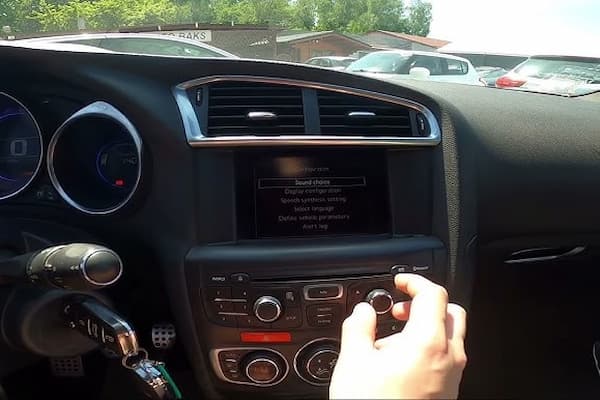
DS mode is great for certain driving situations where you need more speed and control. It’s not something you’d use every day, but it can be very helpful in specific moments like overtaking cars, driving on curvy roads, or when you want a sportier drive. Let’s explore when DS mode works best.
Aggressive Driving Situations
DS mode is perfect for situations where you need to drive more boldly, like when you have to speed up quickly or take sharp turns. It gives the car extra power and faster reactions, helping you handle these moments with more confidence. The car responds quickly to your commands, making it easier to accelerate and control the vehicle when you need to be more assertive on the road.
Overtaking Other Vehicles
When you need to pass another car, faster acceleration is important. DS mode helps your car speed up more quickly, making overtaking easier and safer. By giving the car extra power and quicker reactions, DS mode allows you to move ahead of other vehicles with more confidence. This is especially useful on highways or roads where you need to pass other cars safely and efficiently.
Driving On Winding Roads
Winding roads with sharp turns need good control to stay safe. DS mode helps by making the car’s steering tighter, which gives you better control over the vehicle. This makes it easier to navigate bends and curves smoothly. With DS mode, you can steer more precisely, helping you stay on track and handle tricky roads with more confidence. It’s especially useful when driving through areas with lots of twists and turns.
Sporty Driving Experiences
When you love the excitement of driving fast, DS mode can make it more fun. It boosts the car’s performance, making it speed up quickly and handle turns better. With DS mode on, the car feels more like a race car, reacting faster to your commands. The tighter steering and quicker acceleration let you feel more connected to the road, making every drive feel sportier and more thrilling.
Not For Everyday Driving
DS mode is helpful in certain driving situations, but it’s not the best choice for daily use. It makes the car use more fuel and puts extra stress on the engine. This can lead to higher costs and more wear over time. For everyday driving, it’s better to stick to normal driving modes, which are more fuel-efficient and gentle on the car.
Use DS mode only when you need extra speed or control.
Potential Downsides Of Using DS Mode
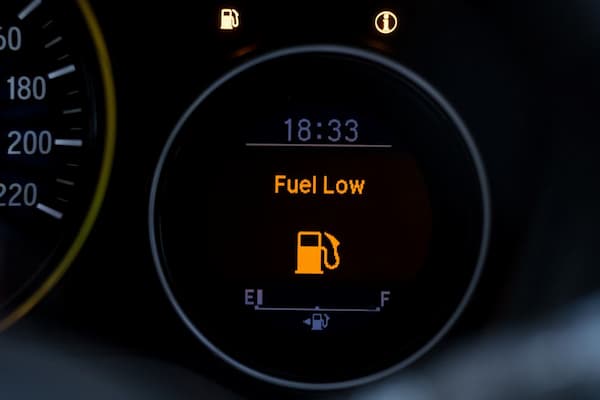
While DS mode can make driving more exciting and fun, it also has some downsides. Using it too often can lead to problems. For example, lower fuel efficiency, more wear on the engine, and higher maintenance costs. Let’s explore some of the potential drawbacks of using DS mode regularly.
Lower Fuel Efficiency
One major downside of using DS mode is that it makes the car use more fuel. This happens because the engine runs at higher speeds and shifts gears later than in normal driving. As a result, the car burns more gas, which means you’ll need to refuel more often. Using DS mode can lower your fuel efficiency, so it’s best to use it only when necessary.
Increased Engine Wear
In DS mode, the engine has to work harder because it runs at higher speeds and shifts later. This extra effort puts more strain on the engine, which can cause parts to wear out faster. Over time, this can lead to more frequent repairs or the need for maintenance. While DS mode boosts performance, it can shorten the life of the engine if used too often. So, it’s important to use it wisely.
Not Ideal For City Driving
DS mode isn’t the best for city driving because it makes the car respond more aggressively. In city traffic, where you frequently stop and go, this can make the car feel jumpy and harder to control. DS mode is better for open roads, where its quicker acceleration and sharper handling can be fully used. In city settings, it’s smarter to stick to normal driving modes for smoother control and a more comfortable ride.
Higher Maintenance Costs
Using DS mode often can increase maintenance costs because it puts extra stress on important car parts like the engine and transmission. Since these parts work harder in DS mode, they can wear out faster and can need repairs or replacements more frequently. This can lead to higher expenses for maintaining the car. While DS mode boosts performance, it’s important to use it only when needed to avoid extra wear and tear on the vehicle.
Requires More Driver Attention
In DS mode, the car reacts more quickly to your inputs, so you need to pay closer attention while driving. The faster response can make the car feel more sensitive, especially on winding roads or at higher speeds. This means you have to stay alert and focused to control the car properly. It’s important to use DS mode carefully, as it requires more concentration to handle the car safely in challenging driving situations.
FAQs
1. Is It Ok To Switch D To DS Modes While Driving A Car?
Yes. It is generally safe to switch from D (Drive) to DS (Drive Sport) mode while driving. Most modern cars are designed to allow this shift smoothly without causing harm to the engine or transmission. DS mode will enhance performance, providing quicker acceleration and tighter handling.
2. Does Car DS Mode Offer Better Control During Cornering?
Yes. DS mode improves control during cornering by tightening the car’s steering and enhancing responsiveness. This allows for better handling, especially on sharp turns or winding roads, making the car feel more stable and connected to the road, which helps you navigate curves more confidently.
3. Is It Safe To Use Car DS Mode In Heavy Traffic?
Yes. It’s safe to use DS mode in heavy traffic, but it’s not the best choice. DS mode makes the car react faster and keeps the engine running at higher speeds. This can make it feel jerky in stop-and-go traffic. It’s better for open roads where you need faster acceleration and smoother handling.
Conclusion
DS mode is a great feature for those looking to enhance their driving experience. It improves throttle response, increases acceleration, and tightens handling for a sportier feel. Still, it also comes with some downsides. For example, lower fuel efficiency and higher maintenance costs.
DS mode must be used wisely in specific situations. For example, overtaking, driving on winding roads, or when you want a more thrilling drive. For everyday use, it’s best to stick to the car’s regular driving mode to save fuel and reduce wear on the engine.
