


Cruise control is a handy feature that helps maintain a constant speed while driving. Many drivers use it for long road trips. But, is cruise control bad for your car?
No. Cruise control is not bad for your car when used properly. It keeps your speed steady, helps save gas, and makes long drives easier. However, you need to avoid using cruise control on steep hills, slippery roads, or in heavy traffic because it can strain the engine or reduce safety.
This article explains how cruise control works, when it’s helpful, and when it can cause problems. So, keep reading!
Table of Contents
Key Takeaways
- Improves Fuel Efficiency: Cruise control keeps your speed steady, reducing fuel use and making long drives more comfortable.
- Avoids Engine Strain: Using it on flat roads prevents sudden acceleration. This keeps the engine in optimal condition.
- Not Ideal For Hills: Avoid using cruise control on steep hills to stop engine strain and protect your car’s transmission.
How Cruise Control Works
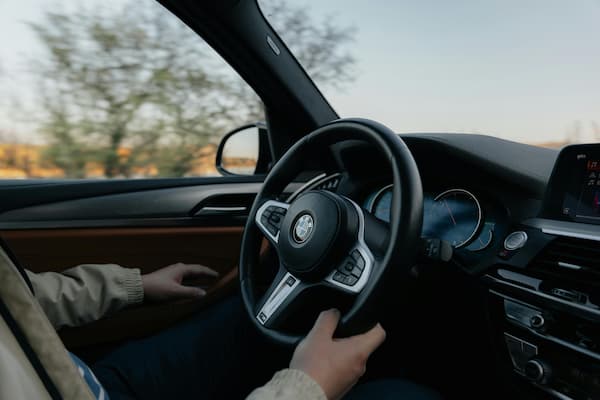
Cruise control is a system in cars that helps keep the vehicle moving at a steady speed without needing to press the gas pedal. It uses sensors and controls to adjust the throttle, making driving easier on long, straight roads like highways. This system reduces effort for drivers.
Maintains Constant Speed Automatically
Cruise control helps your car stay at a steady speed without needing you to press the gas pedal. Once you choose your speed and turn it on, the system automatically controls the car’s throttle to maintain that speed. This makes driving easier, especially on long, open roads, by reducing the need to constantly adjust your foot on the pedal. It works smoothly to keep your car moving at the pace you set until you decide to slow down or stop.
Relies On Sensors And Throttle Control
Cruise control uses sensors to check how fast your car is moving and adjusts the throttle to keep it steady. The throttle controls the engine’s speed, so the system makes small changes to maintain the speed you set. Some advanced systems, called adaptive cruise control, use radar to detect other vehicles and automatically slow down or speed up to keep a safe distance. This helps make driving smoother and safer without you needing to constantly adjust the speed.
Designed For Highway Use
Cruise control works best on highways because the roads are straight, and cars can travel at a steady speed without stopping often. It helps you keep a consistent speed, which is perfect for long trips on open roads. However, it’s not suitable for city driving or crowded areas with lots of stops, turns, and changing speeds. On highways, cruise control makes driving easier and more comfortable, but in traffic or busy streets, it’s better to drive manually.
Saves Driver Effort On Long Trips
Cruise control helps on long trips by keeping the car moving at the same speed without you needing to hold down the gas pedal. This reduces the strain on your foot and leg, making it less tiring to drive for hours. It allows you to focus more on steering and staying alert. By taking over this part of driving, cruise control makes long journeys more comfortable and less exhausting, especially on highways or open roads.
Integrated With Modern Car Systems
In today’s cars, cruise control works with other advanced systems to make driving safer and easier. It connects to features like anti-lock brakes, which help prevent skidding and lane-keeping assistance, which helps keep the car in the right lane. These systems work together to provide a smoother and safer driving experience. Cruise control is no longer just about speed—it’s part of a larger system designed to make driving smarter and more reliable for everyone on the road.
Benefits Of Using Cruise Control
Using cruise control has many benefits that make driving easier and more comfortable. It helps save fuel, reduces tiredness on long trips, and keeps your car at a steady speed, which can help you follow speed limits. Cruise control is especially useful in light traffic and open road conditions.
Improves Fuel Efficiency
Cruise control helps your car use less fuel by keeping a steady speed. When you drive without it, speeding up and slowing down often uses more gas. Cruise control avoids these quick changes, which means your car burns fuel more efficiently. This is especially helpful on long drives, where staying at a constant speed can save gas and money. By keeping things smooth and steady, cruise control makes your car run more efficiently over time.
Reduces Driver Fatigue
Cruise control helps drivers feel less tired during long trips by keeping the car moving at a steady speed without needing to press the gas pedal. This gives your legs a break and reduces the strain on your body, especially on highways. With less physical effort needed, you can focus better on steering and staying alert, making the journey more comfortable and less exhausting.
Encourages Compliance With Speed Limits
Cruise control helps you follow speed limits by letting you set the exact speed you want to drive. Once it’s on, the car won’t go faster than the speed you choose, so you don’t have to worry about accidentally speeding. This can help you avoid breaking the law or getting traffic tickets. It’s a simple way to stay safe and responsible while driving, especially on roads with strict speed limits or in areas where you cannot notice your speed changing.
Useful In Light Traffic Conditions
Cruise control works well in light or moderate traffic because it keeps your car moving at a steady speed. When there aren’t too many cars around, you don’t have to constantly speed up or slow down, which makes driving smoother. This reduces the effort needed to control your speed and helps you stay more relaxed. It’s especially useful on highways or open roads with little traffic, where maintaining a consistent speed makes the drive more enjoyable and less tiring.
Cons Of Using Cruise Control

While cruise control is helpful, it has some downsides. It can reduce your control in certain situations, like bad weather or heavy traffic. It can also slow your reaction time since you’re not actively controlling the speed. Understanding these drawbacks can help you use it safely and wisely.
Limited Control In Certain Situations
Cruise control doesn’t work well in situations where you need to change your speed often, like on roads with sharp turns or when sudden stops are needed. In these cases, controlling the car manually is safer because you can adjust your speed quickly. Cruise control is best for straight roads or highways where the speed stays steady. Using it in the wrong conditions could make it harder to react quickly, so it’s important to know when to turn it off.
Impact On Reaction Time
When you use cruise control, your foot isn’t on the gas or brake, which can slow down how quickly you respond to surprises, like a car stopping suddenly or an obstacle in the road. Since you’re not actively controlling the speed, it can take a moment longer to react and take control. That’s why it’s important to stay alert and ready to use the brake or gas when needed, even if cruise control is on.
Potential For Inattention To Speed Limits
Cruise control keeps your car at the speed you set, but it doesn’t adjust if the speed limit changes. For example, when the speed limit drops and you don’t notice, your car can still be going too fast. This is why it’s important to stay alert and watch for road signs while using cruise control. You need to manually adjust the speed whenever the limit changes to make sure you’re driving safely and following the rules.
Situations Where Cruise Control May Be Harmful
Cruise control is helpful in many situations, but there are times when it can be dangerous. Using it on slippery roads, steep hills, or in heavy traffic can make driving harder and less safe. Knowing when not to use cruise control can help you stay in control and avoid accidents. Let’s learn more about it.
Driving On Wet Or Icy Roads
On wet or icy roads, cruise control can be risky because it keeps the car moving at a steady speed, even if the tires lose grip. When the car starts to skid, cruise control can make it worse by trying to maintain speed. This can make it harder for you to stop the skid and regain control.
Frequent Use On Steep Hills
Cruise control isn’t good for steep hills because it can’t adjust speed properly. On uphill slopes, it can make the engine work too hard to keep the speed steady. On downhill slopes, it won’t slow the car enough, which can make it unsafe. When driving on steep hills, it’s better to control the car manually so you can adjust the gas or brakes as needed to maintain a safe and steady speed, keeping better control of your vehicle.
Heavy Traffic Or Stop-And-Go Driving
In heavy traffic, cruise control isn’t helpful because cars are constantly stopping and starting. It can’t handle quick speed changes, so you’d have to keep turning it on and off. This can make driving more stressful and even unsafe if you can’t react quickly. In these situations, it’s better to drive manually so you have full control over the car and can respond to the flow of traffic.
Overreliance Leading To Reduced Driver Focus
Using cruise control too much can cause drivers to pay less attention to the road because they aren’t actively controlling the speed. This can make it harder to notice sudden changes, like a car stopping or an obstacle ahead. When drivers rely too much on cruise control, they cannot react as quickly in dangerous situations. It’s important to stay alert and focused, even when cruise control is on, to ensure you’re ready to take action if needed.
Myths About Cruise Control Damage
Some people think using cruise control can harm their car, but most of these ideas are not true. When used correctly, cruise control doesn’t damage the engine, brakes, or other parts. Understanding these myths can help you use cruise control confidently without worrying about your car’s safety.
Doesn’t Wear Out The Engine
Some people think that cruise control can damage the car’s engine, but that’s not true. When used properly, cruise control helps the engine run smoothly by keeping a steady speed. It doesn’t put extra strain on the engine because it works within the car’s normal limits. It can even help the engine use fuel more efficiently on long trips. As long as you use cruise control correctly, it won’t cause any harm to your engine.
No Significant Impact On Brake Systems
Cruise control doesn’t wear out your car’s brakes because it mainly controls the speed by adjusting the throttle, not by using the brakes. In cars with adaptive cruise control, the system can use brakes to slow down when needed, but it’s designed to do so safely and gently. These systems are built to avoid putting extra stress on the brakes. As long as you use cruise control properly, it won’t cause any harm to the braking system of your car.
Proper Use Prevents Transmission Strain
When you use cruise control correctly on flat highways, it doesn’t harm the car’s transmission. The transmission is the part of the car that helps control speed and power, and cruise control works smoothly with it during steady driving. However, using cruise control on steep hills or rough roads can strain the transmission because it can struggle to adjust properly. To avoid this, turn off cruise control in these situations. Proper use keeps the transmission safe and working well.
Not Harmful If Turned Off In Emergencies
Cruise control is easy to turn off in an emergency. When something unexpected happens, like a car stopping in front of you, you can press the brake or turn it off using the button. This stops cruise control right away, giving you full control of the car. It’s designed to respond instantly, so it won’t make the situation worse. Knowing how to turn off cruise control quickly is important for staying safe while driving and handling emergencies effectively.
Tips For Safe Cruise Control Use
Cruise control is a helpful tool, but using it safely is very important. By following a few tips, like using it only in good weather and staying alert, you can make sure it works well and keeps you safe. These simple steps can help you get the most out of cruise control without any problems.
Use Only On Dry, Straight Roads
Cruise control works best on dry, straight roads like highways. These conditions make it safe to keep a steady speed without needing to adjust often. Yet, you must never use cruise control when it’s raining or snowing because the roads can be slippery, and it’s harder to control the car. In bad weather, driving manually helps you react quickly and adjust your speed if needed. Always check the weather and road conditions before turning on cruise control.
Turn Off In Hazardous Conditions
When the roads are dangerous, like during heavy rain, snow, or fog, it’s safer to turn off cruise control. Poor conditions can make the car harder to control, and cruise control cannot respond quickly enough to sudden changes. Driving manually in these situations helps you adjust your speed and stay in control. It also keeps you more focused on the road. Always switch off cruise control when conditions make driving more challenging to ensure a safer journey.
Regularly Maintain Car Systems
To keep cruise control working properly, it’s important to take care of your car. Make sure the throttle, brakes, and sensors are checked regularly by a mechanic. These parts help cruise control run smoothly and safely. When they aren’t working well, cruise control cannot work correctly, which could make driving unsafe. Regular maintenance keeps your car in good shape, helps avoid problems, and ensures cruise control is ready to use when you need it.
Avoid Setting Overly High Speeds
When using cruise control, it’s important not to set the speed too high. Driving at very high speeds can make it harder to stop quickly if something unexpected happens, like another car slowing down or an obstacle on the road. Always choose a speed that matches the road and traffic conditions. Staying at a safe and legal speed helps you stay in control and keeps everyone on the road safer while using cruise control.
Stay Alert While Using Cruise Control
When using cruise control, it’s important to stay focused on driving. Keep your hands on the steering wheel and watch the road carefully. Cruise control helps with speed, but you still need to steer and be ready to react to anything unexpected, like another car stopping suddenly. It’s not a replacement for being an alert driver. Staying focused ensures you can quickly take control if needed, making your trip safe for you and others on the road.
FAQs
1. Can Cruise Control Damage Your Car Engine?
No. Using cruise control doesn’t harm your car’s engine when you use it the right way. It’s made to work within your car’s limits. It also helps the engine run smoothly by keeping a steady speed. As long as you avoid using it in tough conditions, cruise control is safe for your engine.
2. Is Cruise Control Hard On A Car’s Battery?
No. Cruise control doesn’t drain your car battery because it uses very little power. It is designed to control your car’s speed efficiently without wasting energy. This small amount of power doesn’t harm the battery, so you can use cruise control without worrying about battery problems.
3. Does Cruise Control Cause Wear On The Car Tires?
No. Cruise control doesn’t wear out your car tires. It helps keep a steady speed, which is gentle on the tires. However, when you use it improperly, like driving at high speeds on bumpy or rough roads, it can affect tire life. Using it correctly helps keep your tires in good shape for long.
Conclusion: Is Cruise Control Bad For Your Car?
Cruise control is a helpful tool that makes driving easier and more comfortable, especially on long trips or highways. It helps save fuel, reduces tiredness, and keeps your car at a steady speed. However, it’s important to know when not to use it, such as in bad weather, on steep or curvy roads, or in heavy traffic.
Cruise control doesn’t harm your car when used properly, but improper use can lead to safety issues. Staying alert and knowing how to turn it off quickly in emergencies is essential. Regular car maintenance, like checking the brakes, throttle, and sensors, also ensures that cruise control works safely.
By using it wisely and understanding its limits, you can enjoy the benefits of cruise control while keeping yourself and others on the road safe. It’s a great feature when used with care and responsibility.
