

Moisture in car headlights can lead to reduced visibility and long-term damage. It’s important to remove it promptly to maintain both safety and the longevity of the headlights. Fortunately, there are effective ways to remove moisture without opening the headlight assembly. Learn how to remove moisture from car headlight without opening it here.
To remove moisture from a car headlight, use a hairdryer on low heat to dry it. You can also spray compressed air into the vents to blow out condensation. Parking your car in direct sunlight helps moisture evaporate. For extra heat, cover the headlight with plastic wrap and leave it in the sun.
This extensive guide will walk you through simple methods using common household tools. Read it to learn more.
Table of Contents
Key Takeaways
- Use A Hairdryer: Set it to low heat and blow through the vent or around the seal to evaporate moisture.
- Place Silica Gel Packs: Slide silica gel packs into the headlight vent to soak up moisture and keep it dry.
- Park In Direct Sunlight: Leave the car under direct sunlight for a few hours to naturally dry out the headlight.
Tools And Materials Needed
To remove moisture from your car’s headlight without opening it, you’ll need a few simple tools. These include a hairdryer or heat gun for drying, a can of compressed air to blow out moisture, and adhesive tape or plastic wrap to trap heat. These tools will help get rid of the moisture easily.
Hairdryer Or Heat Gun
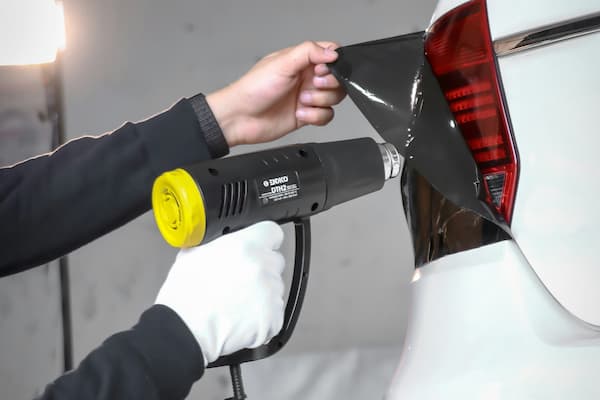
A hairdryer or heat gun is an important tool for drying moisture in your car’s headlight. It works by blowing warm air onto the headlight, which helps evaporate the moisture inside. Using controlled heat ensures that the plastic of the headlight doesn’t get damaged. Always set the heat to low and move the dryer around the headlight to make sure the heat is evenly spread and doesn’t stay in one spot for too long. This method is quick and effective.
Compressed Air Canister
A compressed air canister is a helpful tool for blowing moisture out of hard-to-reach areas inside your car’s headlight. The air pressure pushes out the water trapped inside, especially in small vents or spaces where moisture tends to build up. Simply aim the nozzle at the vents and spray short bursts of air to clear the moisture. This method works quickly and is perfect for getting rid of condensation without opening the headlight assembly. Make sure to use it in a well-ventilated area.
Adhesive Tape Or Plastic Sheet
Adhesive tape or a plastic sheet helps trap heat around the headlight, making the drying process faster. By sealing the edges of the headlight with tape or covering it with clear plastic, you keep the warm air in. This extra heat helps evaporate the moisture inside. After applying the tape or plastic, place the car in direct sunlight so the heat can work effectively. This method helps speed up moisture removal without needing to open the headlight.
Methods To Remove Moisture Without Opening
There are several easy methods to remove moisture from your car’s headlight without opening it. These methods use simple tools and techniques to help clear the moisture. By following these steps, you can restore your headlight’s clarity and prevent further damage, all without needing to open the assembly.
Method 1: Use A Hairdryer Or Heat Gun
Using a hairdryer or heat gun is an effective way to remove moisture from your headlight. This method works by blowing warm air onto the headlight to evaporate the moisture inside. It’s simple and quick, making it a great first step to clear condensation without opening the headlight.
Place Car In A Ventilated Area
Before using a hairdryer or heat gun, make sure your car is in a well-ventilated area. A good airflow helps prevent the car from overheating while you work on the headlight. It also allows the moisture to escape more easily, making the drying process more effective. A garage with an open door or an outdoor space works best. This simple step helps the process go smoothly and keeps your car safe from any damage caused by trapped heat.
Set Hairdryer To Low Heat
When using a hairdryer or heat gun, always set it to a low heat setting. High heat can be too strong and can damage the headlight or cause the plastic to warp or melt. By using low heat, you ensure the headlight dries safely without getting harmed. It also allows the moisture to evaporate gradually, so you can remove it without risking any damage to the headlight’s surface or the surrounding parts. Keep the heat level controlled for the best results.
Focus On The Outer Surface Of The Headlight
When using the hairdryer or heat gun, focus the heat on the outer surface of the headlight. Hold the dryer a few inches away and move it around to cover the entire surface. This ensures the heat is evenly spread, allowing the moisture to evaporate evenly. By not staying in one spot for too long, you prevent the headlight from getting too hot in one area, which could damage it. Moving the dryer helps the drying process work better and faster.
Avoid Prolonged Heat On One Spot
While using the hairdryer, make sure to keep it moving across the headlight. Don’t let the heat stay in one spot for too long, as it can overheat and damage the plastic. By constantly moving the dryer, you spread the heat evenly, allowing the moisture to evaporate without harming the headlight. This helps prevent the headlight from getting too hot and ensures the drying process works safely and effectively, without causing any damage to the surface.
Method 2: Compressed Air To Clear Moisture
Using compressed air is another simple way to remove moisture from your car’s headlight. By spraying short bursts of air into the headlight vents, you can blow out the condensation inside. This method is quick and easy, and it helps clear moisture from hard-to-reach areas without opening the headlight.
Spray Air Into Headlight Vents
To use compressed air, insert the nozzle of the air canister into the headlight vents. Then, spray short bursts of air into the vents. The air pressure will help push the moisture out from inside the headlight. Be sure to hold the nozzle steady and spray in different areas to remove all the trapped moisture. This method works well for getting rid of condensation in spots you can’t reach with a towel or cloth. Keep the air pressure low to avoid damage.
Target Areas With Visible Condensation
When using compressed air, focus on the areas where you can see visible condensation inside the headlight. These spots are where moisture is trapped causing a foggy appearance. By spraying air directly on these areas, you help push out the moisture and clear up the headlight. Moving the nozzle around different areas ensures you remove all the trapped moisture. Be patient and spray until the condensation is gone, and the headlight becomes clear again.
Repeat Until Moisture Dissipates
Keep spraying air into the headlight vents until you no longer see any condensation inside. It can take a few tries, so be patient. After each spray, check for any remaining moisture or fog. When you still see condensation, continue spraying in short bursts until the headlight is clear. This process ensures that all the moisture is removed and helps your headlight stay clean and clear. It’s important to repeat the process until the condensation is completely gone.
Method 3: Park In Direct Sunlight

Parking your car in direct sunlight is a natural way to remove moisture from your headlight. The heat from the sun helps evaporate the moisture inside the headlight, clearing up any condensation. This method is simple and doesn’t require any special tools, just a sunny spot for your car to park.
Wipe The Headlight Exterior Clean
Before parking your car in the sun, make sure to clean the headlight exterior. Wipe off any dirt, dust, or debris that can be covering the surface. Cleaning the headlight allows sunlight to reach it more effectively, helping the moisture inside evaporate faster. Use a soft cloth and mild cleaner to remove any buildup. This step ensures the drying process works better and your headlight stays clear as the sun helps dry out the moisture inside.
Face The Car Towards The Sun
To help the moisture inside the headlights evaporate, position your car so the headlights face directly toward the sun. This way, the headlights get the most sunlight and heat, which speeds up the drying process. The sun’s warmth will help the moisture inside the headlight escape, clearing up any fog or condensation. Make sure the car is parked in a sunny spot with no shadows, as direct sunlight works best to remove the moisture.
Allow Natural Heat To Evaporate Moisture
After parking the car in direct sunlight, leave it there for a few hours. The heat from the sun will slowly warm up the headlight and help the moisture inside evaporate. As the moisture turns into steam, it will disappear from the headlight, leaving it clear again. Be patient and allow enough time for the sun’s natural heat to do its job. This method works well when there’s plenty of sunlight and the car is parked in a warm spot.
Method 4: Use Plastic Wrap To Trap Heat
Using plastic wrap to trap heat is a simple way to speed up the moisture removal process. By covering the headlight with clear plastic wrap and securing it, you can keep the heat inside, allowing the moisture to evaporate more effectively. This method works well when combined with sunlight.
Cover Headlight With Clear Plastic Wrap
To help remove moisture, tightly wrap the headlight with clear plastic wrap. Make sure the plastic covers the entire headlight and seals the edges to trap heat. The plastic keeps the warmth around the headlight, which helps the moisture inside to evaporate faster. This method works best when used with sunlight, as the heat will be trapped inside the plastic, speeding up the drying process and clearing any fog or condensation from the headlight.
Secure Edges With Tape To Trap Heat
After wrapping the headlight with plastic wrap, use adhesive tape to secure the edges. This helps keep the plastic tightly in place and prevents heat from escaping. By sealing the edges, the trapped heat stays around the headlight longer, allowing the moisture to evaporate more effectively. The tape ensures the plastic wrap stays secure while the sun’s heat works to clear up the fog or condensation inside the headlight, making the drying process faster and more efficient.
Leave In Sunlight To Dry Moisture
After wrapping the headlight with plastic and securing it with tape, park the car in direct sunlight. Leave the car in the sun for several hours. The heat from the sun will warm up the headlight and help the moisture inside evaporate. The plastic wrap will keep the heat trapped, making the process faster. This method works well when it’s a sunny day and can help clear the moisture without needing to open the headlight.
Preventing Future Moisture Problems
To prevent moisture from building up in your car’s headlights again, it’s important to take some simple steps. Regularly check the headlight seals, avoid high-pressure car washes, and ensure there are no cracks. Keeping vents clean and using a protective coating can also help keep moisture away.
Check Headlight Seals Regularly
To prevent moisture from entering your headlights, check the seals regularly. These seals are designed to keep water and air out. Look for any cracks, gaps, or signs of wear that could let moisture inside. When you notice any damage, replace the seals to ensure they are working properly. Keeping the seals in good condition will help protect your headlights from fogging or condensation in the future.
Avoid High-Pressure Car Washes
Avoid using high-pressure car washes because the strong water force can push moisture into your headlights. Instead, clean your car with a gentler method, such as a hand wash using a soft sponge or cloth. This will help prevent water from entering the headlight assembly and causing condensation or fogging. Taking care when washing your car will protect your headlights and keep them clear.
Inspect For Small Cracks Or Gaps
Check your headlights regularly for small cracks or gaps in the lens or housing. These tiny openings can let moisture inside, causing fogging or condensation. When you find any damage, fix it right away by sealing or replacing the damaged part. This will stop moisture from entering and keep your headlights clear and working well. Regularly inspecting and maintaining your headlights helps prevent problems and keeps your car safe on the road.
Use A Protective Headlight Coating
A protective headlight coating creates a barrier that helps prevent water from entering the headlight. It makes the surface more resistant to moisture, dirt, and debris, which can cause fogging inside the lens. By applying this coating, you reduce the chances of moisture buildup, helping your headlights stay clear and effective. It’s a simple way to protect your headlights from future issues, ensuring better visibility while driving and prolonging their lifespan. Regularly reapplying the coating can keep your headlights in top shape.
Keep Vents Clean And Unobstructed
It’s important to keep the vents on your headlights clean and free from debris. These vents allow moisture to escape from inside the headlight. When the vents are blocked, moisture can get trapped and cause fogging or condensation. Regularly check for dirt, leaves, or any other items that can block the vents. By keeping them clean, you help your headlights stay dry, improving visibility and preventing damage caused by excess moisture. This simple step can extend the life of your headlights.
When To Open Car Headlight Cover For Cleaning Moisture?
Sometimes, despite using different methods, moisture can persist in your car headlights. In such cases, it can be necessary to open the headlight cover for a deeper clean. This is especially true when the moisture is causing issues like electrical problems or if there’s visible damage. Here’s when to open the cover.
Persistent Condensation After DIY Attempts
When the moisture doesn’t go away after trying different methods, it could be time to open the headlight. Persistent condensation means that the moisture is trapped inside, and it needs a thorough cleaning. Opening the headlight allows you to remove the moisture and clean it properly to prevent future issues.
Electrical Problems From Moisture
Moisture inside the headlight can damage electrical parts, leading to problems like flickering or lights not working. When you notice these issues, it’s a sign that moisture is affecting the electrical system. In this case, you must open the headlight to dry it out and prevent further damage to the lights and wiring.
Visible Damage To The Headlight Assembly
When you see cracks, broken seals, or other damage on your headlight, moisture can easily get inside and cause problems. When the headlight assembly is damaged, it’s important to open it up and repair the damage. This will help stop moisture from entering and prevent issues like foggy headlights or electrical problems. Fixing the damage early can save you from bigger problems later on.
FAQs
1. Can I Use Rice To Absorb Headlight Moisture Without Opening Light Cover?
Yes. You can use rice to absorb moisture inside a headlight without opening the cover. Place a small cloth bag or sock filled with uncooked rice near the headlight vent or inside the light. The rice will help absorb the moisture over time. However, this method can take longer than others.
2. Will Turning On The Car’s Lights Help Cleaning Moisture Without Opening?
No. Simply turning on the car’s lights won’t effectively remove moisture from the headlight. While the heat generated by the lights can help, it’s usually not enough to clear the moisture completely. For better results, try using a hairdryer, compressed air, or parking the car in sunlight.
3. Are There Risks To Not Removing Moisture From Headlights?
Yes. Leaving moisture in your headlights can cause problems. It can make the lights foggy, dim, and cause electrical issues. When moisture stays for too long, it can damage parts of the headlight, leading to expensive repairs. It’s important to remove moisture to keep your headlights working well.
Conclusion
Removing moisture from a car headlight without opening it is easy with a few simple steps. Using a hairdryer or heat gun, you can gently blow warm air to dry out the moisture inside. Compressed air can also help by blowing the moisture out through the headlight vents. When it’s a sunny day, parking the car in direct sunlight can help the heat evaporate the moisture naturally. These methods are quick and safe, allowing you to avoid opening the headlight. Regularly checking your headlights and maintaining seals can prevent moisture from building up. Keeping vents clear and avoiding high-pressure car washes also helps reduce the chances of moisture problems.
By following these tips, you can keep your headlights clear and functional, ensuring safer driving. Proper maintenance will help you avoid costly repairs and ensure your car’s lights work well in all conditions.
