

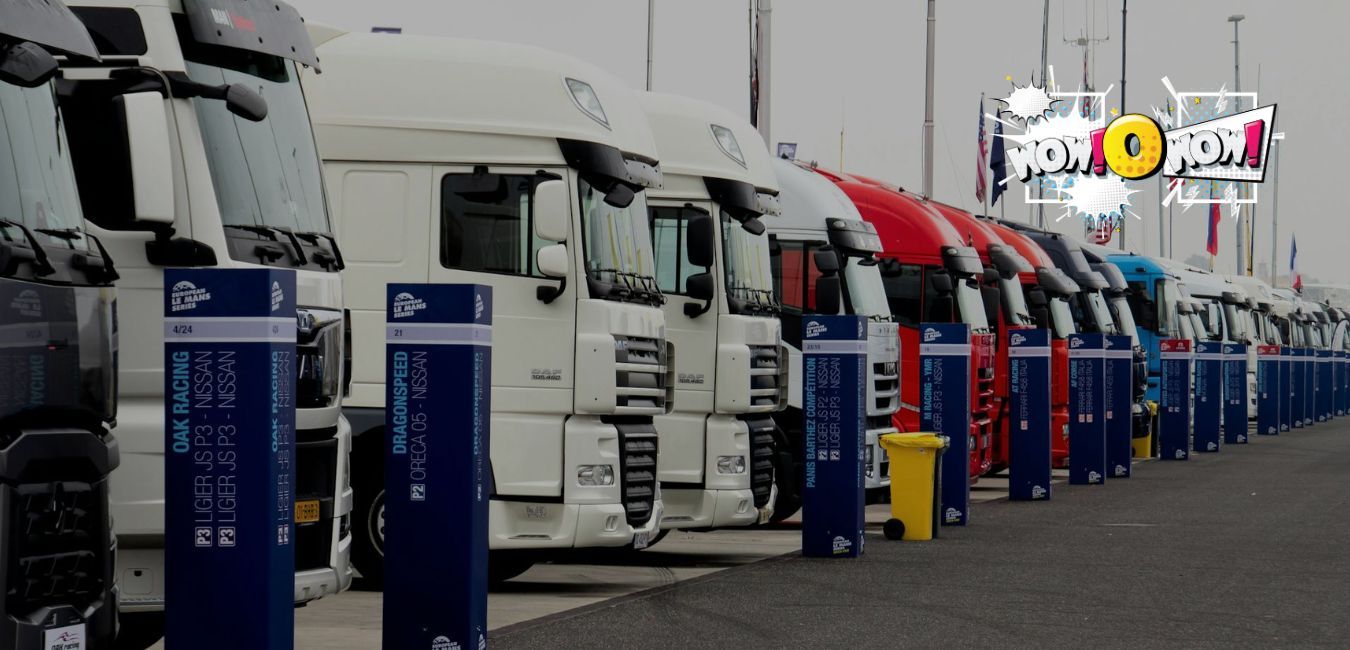
Truck and trailer parking is no longer just about finding space—it’s about finding the right space at the right price. With rising demand, limited availability, and regional cost swings, parking has become a critical part of every fleet’s operational strategy.
Whether you’re an independent driver or managing multiple rigs, understanding what drives pricing can save serious time and money. In this guide, we’ll explore key pricing factors, real-world rate examples, and smart tips to help you compare options, negotiate effectively, and make parking work for your bottom line.
Table of Contents
Key Pricing Factors Explained
Knowing what contributes to parking rates can help you choose the best value. So, what determines how much you’ll pay for trailer parking for rent or a truck parking space? It comes down to a handful of core variables that vary significantly based on geography and features:
1. Location (Urban Vs Rural)
Location is the single biggest pricing driver. Urban areas with high land costs, zoning restrictions, and limited space tend to have the highest rates. Proximity to busy highways, ports, or freight terminals also increases demand and pricing.
- Urban Example: A gated lot in Atlanta near major distribution centers may charge $35–$50 per day.
- Rural Example: A gravel lot in Iowa may only cost $10–$20 per day due to lower overhead.
2. Duration Of Rental
The amount of time you need parking significantly affects pricing. Daily rates are highest per night, while monthly rates offer the best value, especially for consistent routes and long-term parking needs.
- Daily: Ideal for short stays, but highest per-night cost.
- Weekly: Mid-range rates with some discounts.
- Monthly: A most cost-effective option for regular use.
Many operators now offer dynamic pricing, where rates fluctuate based on availability and demand, especially near ports and metro hubs.
3. Space Size & Vehicle Type
What you’re parking matters. Larger or specialized vehicles require more space and infrastructure, leading to higher costs. Knowing your size needs upfront helps avoid overpaying for unnecessary room.
- Pull-through or extra-wide spaces may come at a premium.
- Oversized trailers or drop yard spaces can be more expensive.
4. Amenities And Features
Features such as lighting, surveillance, and restroom access enhance security and comfort. These benefits typically increase cost but may provide critical value for operations that require dependable, high-quality facilities.
- Security: Gated access, surveillance cameras, on-site staff
- Lighting & Infrastructure: Well-lit lots with paved surfaces
- Extras: Restrooms, fueling stations, repair services, reserved booking tools
Sample Pricing Scenarios
To help you understand current market rates, we’ve compiled real-world pricing examples from various regions. These offer a glimpse into how features and location shape pricing across urban, rural, and premium facilities.
Urban Lot In Dallas, TX
Dallas remains a key trucking hub with competitive pricing. Urban lots here often provide essential amenities, such as 24/7 access, security lighting, and secure entry systems—great for fleets operating in busy metropolitan areas.
- Daily: $25–$40
- Monthly: $500–$700
- Includes gated entry, lighting, and 24/7 access.
Rural Lot Near Kansas City, MO
These lots offer budget-friendly options with more open space. While basic, they’re ideal for long-term parking or overnight stays that don’t require full-service facilities or high-security environments.
- Daily: $10–$20
- Monthly: $200–$350
- Basic gravel surface, limited amenities, open access.
Premium Lot Near The Port Of Los Angeles
High-volume logistics areas demand premium pricing. These lots feature security, paved pull-through access, and close proximity to critical terminals—essential for time-sensitive freight and consistent route execution.
- Daily: $35–$55
- Monthly: $750–$1,000+
- High security, paved pull-through spots, ideal for staging near the docks.
Tips For Comparing Prices And Negotiating
When it comes to choosing the right truck parking spot, price is only part of the equation. The right combination of safety, access, and pricing can significantly impact your schedule, fuel consumption, and profitability.
- Compare More Than Just Cost: Don’t judge parking by price alone. Review security, lighting, access times, and owner responsiveness to determine the best value—not just the lowest rate—for your needs and peace of mind.
- Look for Long-Term Discounts: Ask about volume pricing or extended contracts. Many lots offer better rates for monthly stays or multi-vehicle deals, helping you manage budgets and simplify operations across multiple routes or drivers.
- Negotiate With Lot Owners: Especially in rural or independent lots, there’s often room to negotiate. Be prepared to ask for better rates for fleet usage or to bundle services like repair or fueling into your deal.
- Use Real Reviews: Other drivers’ feedback can reveal major red flags or hidden gems. Platforms with verified reviews help you avoid lots with unreliable access, poor lighting, or inadequate security.
- Book Through Trusted Platforms: Digital platforms let you compare listings, filter by features, and make reservations in advance. Look for services with transparent pricing, verified listings, and responsive customer support teams.
Conclusion: Make Parking Work for You
Parking isn’t just about convenience-it’s a recurring business expense that can impact safety, scheduling, and profit margins. By understanding what influences pricing and how to evaluate options, you can make better decisions for your route and your bottom line.
Whether you’re seeking trailer parking for rent in a busy metro or a quiet rural lot to rest overnight, informed choices will help you avoid the pitfalls of overpaying or parking in risky, unregulated areas. With smart planning, negotiating, and the right tools, you can turn parking from a pain point into a strategic advantage.
