

After a vehicle undergoes body work, it’s common for dust, polishing residue, and fine particles to remain on the surface. Properly cleaning the car helps restore its appearance and protect the newly repaired panels. However, freshly repaired paint can still be delicate, so using harsh products or washing the vehicle too soon may damage the finish. This is why it’s important to understand the right steps and timing when learning how to clean a car after body repair.
This is especially true for car owners in Indianapolis who have recently had professional Car Body Repair Indianapolis services done. Local body shops often advise careful aftercare to ensure the repaired paint cures properly and maintains its shine. By following safe cleaning practices and using gentle tools, drivers can protect their investment while making sure they know how to clean a car after body repair the right way.
Table of Contents
When Is It Safe To Clean Your Car After Body Repair?
Cleaning your car after a body repair requires a little patience. Whether your vehicle had dent repair, panel replacement, or a fresh paint job, the repaired surface needs time to properly cure before it is exposed to water, soap, or scrubbing. Washing too soon can damage the finish and reduce the quality of the repair.
Recommended Waiting Time After Paint Or Repair Work
In most cases, it’s best to wait at least 7 to 14 days before washing your car after body repair. This waiting period allows the new paint or clear coat to begin curing properly. However, the exact timing can vary depending on the type of repair, the paint used, and the conditions in which the vehicle was painted.
For vehicles that have undergone major repainting or panel refinishing, many auto body professionals recommend waiting up to 30 days before applying wax or polish. During this curing phase, the paint is still releasing solvents and hardening, so gentle care is essential.
If your car only needed minor bodywork without repainting, you may be able to wash it sooner, but it’s still wise to follow the repair shop’s advice.
Tools And Products You’ll Need
Before you start cleaning your car after body repair, it’s important to gather the right tools and products. Using proper car-cleaning supplies helps protect the newly repaired surfaces and prevents scratches or damage to fresh paint. Gentle, high-quality materials are especially important during the first few weeks after body work.
pH-Balanced Car Wash Soap
A pH-balanced car wash soap is one of the most important products for safely cleaning your vehicle. Unlike household detergents or dish soap, pH-balanced formulas are specifically designed for automotive paint. They effectively remove dirt, dust, and body shop residue without stripping protective layers or damaging the new finish.
When washing a car after body repair, always avoid harsh cleaners or strong chemicals. A mild automotive shampoo will clean the surface while keeping the paint and clear coat safe.
Microfiber Towels And Wash Mitt
Using microfiber towels and a soft wash mitt helps reduce the risk of scratches on freshly repaired panels. Microfiber materials are highly absorbent and gentle, making them ideal for delicate surfaces.
A microfiber wash mitt allows you to lift dirt away from the paint instead of dragging particles across the surface. After washing, clean microfiber towels can be used to dry the vehicle carefully and prevent water spots.
Detailing Spray Or Clay Bar (Optional)
For stubborn dust or small contaminants left from the repair process, a detailing spray or clay bar can be helpful. A detailing spray works well for removing light dust, fingerprints, or polishing residue.
A clay bar, on the other hand, is useful for removing tiny particles that stick to the paint surface, such as overspray or sanding dust. However, clay bars should be used carefully and only if necessary, especially when dealing with recently repaired paint.
Having these tools ready will make the cleaning process safer, easier, and more effective, helping your car regain its clean, polished appearance after body repair.
Step-By-Step Guide: How To Clean A Car After Body Repair
Cleaning your car after body repair should be done carefully and gently to protect the newly repaired surfaces. Fresh paint and refinished panels can still be delicate, so following a safe washing process helps prevent scratches, swirl marks, or damage. Below is a simple step-by-step guide to clean your car properly after body work.
Step One: Rinse The Car First
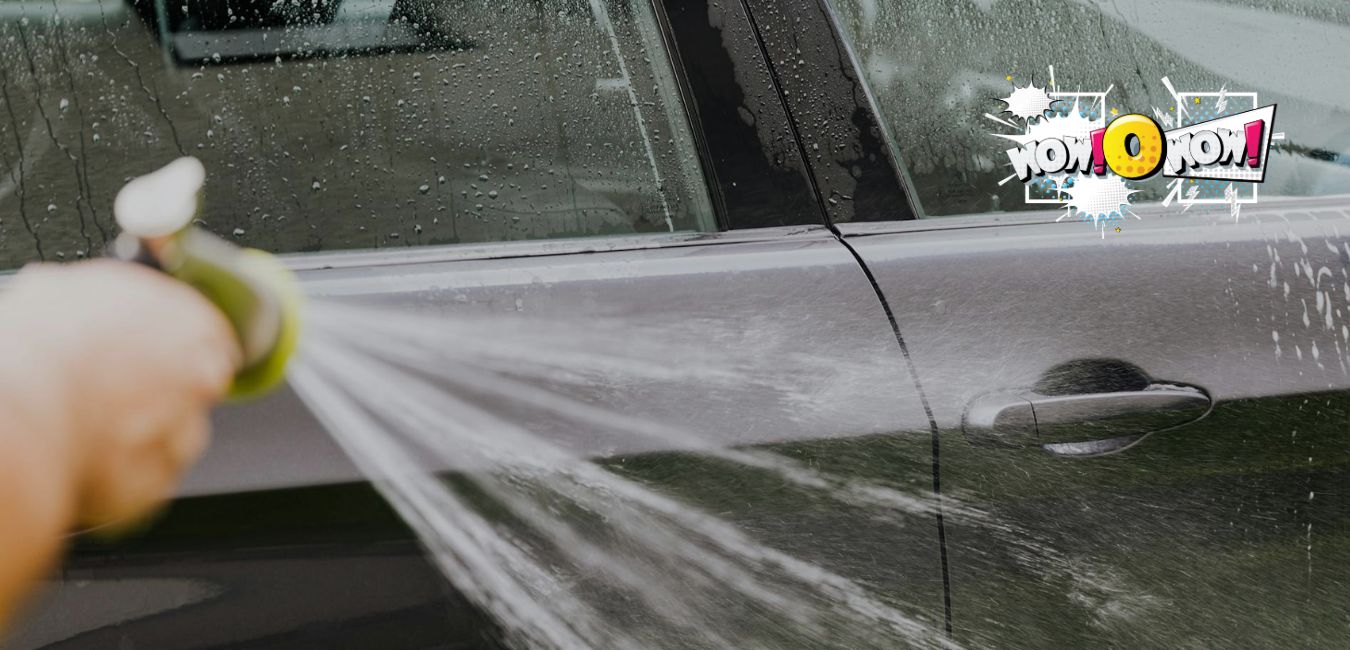
The first step is to thoroughly rinse the entire vehicle with clean water. This helps remove loose dust, sanding residue, and small debris that may still be on the surface after the repair process.
Body shops often leave behind fine particles from sanding and polishing. If these particles are not removed before washing, they can cause scratches when you start scrubbing the paint.
Use a gentle stream of water, such as from a hose or a low-pressure sprayer, and work from the top of the car downward. This allows dirt and dust to flow off the surface without being dragged across the paint.
Step Two: Wash Gently Using The Two-Bucket Method
Using the two-bucket washing method is one of the safest ways to wash a car, especially after body repair, when the paint may still be sensitive. This approach helps reduce the risk of rubbing dirt back onto the surface, which can cause scratches.
Fill one bucket with water and a pH-balanced car shampoo, and use the second bucket with plain water to rinse your wash mitt. After cleaning each section of the car, dip the mitt into the rinse bucket to remove trapped dirt before placing it back into the soapy water. By separating the rinse water from the wash solution, you prevent debris from returning to the paint and keep the cleaning process much safer for the vehicle’s finish.
Step Three: Clean Small Areas And Gaps
Once the main body of the car is washed, take time to clean smaller areas and tight spaces where dirt and repair dust may accumulate.
Pay attention to places such as:
- Door jambs
- Trim edges and panel gaps
- Around badges and emblems
- Wheel wells and lower panels
Use a soft microfiber cloth or detailing brush to carefully remove dirt from these areas. Cleaning these spots ensures that leftover body shop dust does not spread onto the freshly washed paint.
Step Four: Dry The Car Carefully
The final step is to dry the vehicle properly to prevent water spots and streaks. Use clean, soft microfiber towels to gently absorb water from the surface.
Start drying from the top of the car and work your way downward. Avoid rubbing the paint aggressively; instead, lightly pat or glide the towel across the surface.
Proper drying not only improves the car’s appearance but also protects the fresh paint and repaired panels from mineral deposits that can form when water dries naturally.
Tips To Maintain Your Car’s New Finish
Taking proper care of your vehicle after body repair helps protect the fresh paint and maintain its shine for a long time. Following a few simple maintenance practices can prevent damage and keep your car looking like new.
- Wash regularly but gently: Use a soft microfiber mitt and pH-balanced car shampoo to remove dirt without scratching the freshly repaired paint.
- Avoid direct sun while cleaning: Always wash your car in a shaded area or during cooler parts of the day to prevent water spots and soap stains.
- Wait before polishing or waxing: Give the new paint enough time to cure before applying wax or polish. Most body shops recommend waiting 30–90 days.
FAQs
1. How Long Should You Wait To Wash Your Car After Body Repair?
In most cases, you should wait about 1–2 weeks before washing your car after a paint job or body repair. This waiting period allows the new paint and clear coat to cure properly. Washing the vehicle too soon may damage the finish or leave marks on the still-soft paint surface.
2. Can You Use An Automatic Car Wash After Body Repair?
It is best to avoid automatic car washes for several weeks or even a few months after body repair. The rotating brushes and high-pressure water used in these systems can be too harsh for newly painted surfaces. Hand washing with gentle tools and car-safe products is the safest option.
3. When Can You Wax Or Polish Your Car After A Paint Job?
Most experts recommend waiting at least 30 days, and sometimes up to 60–90 days, before applying wax or polish. This gives the paint enough time to fully cure. Applying wax too early may trap solvents in the paint, affecting the final finish.
Conclusion
Properly cleaning your car after body repair helps protect the newly restored paint and keeps the vehicle looking its best. Freshly repaired surfaces can be more delicate, so it’s important to follow gentle cleaning methods and use the right tools to avoid scratches or damage.
By waiting the recommended time before washing, using mild car-safe products, and following a careful step-by-step process, you can maintain the shine and durability of the repaired areas. With the right care and regular maintenance, your vehicle can continue to look clean, polished, and well-protected long after the repair work is completed.
