

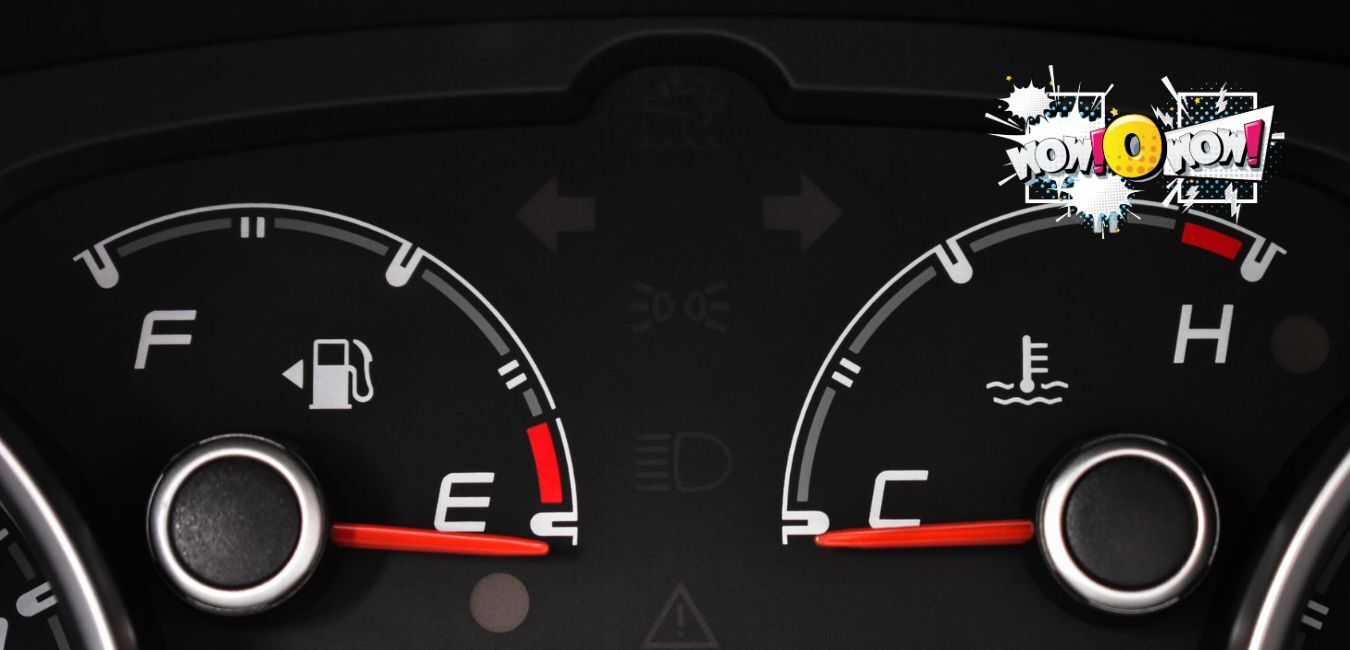
If you have ever watched your fuel needle drop faster than expected while towing a camper or hauling a heavy load, you are not imagining things. Most drivers assume their gas gauge tells the whole story. It does not. Towing changes how fuel moves inside your tank, how your engine burns it, and how accurate that little needle really is. Understanding why can save you from an embarrassing roadside call for help.
Table of Contents
The Weight Problem Nobody Talks About
Here is the part most guides skip. It is not just that towing burns more fuel. It is that your fuel gauge was calibrated for normal driving, not for a truck working overtime to pull thousands of pounds. When your engine strains harder, fuel consumption becomes less predictable. The needle can drop in sudden chunks instead of a smooth, steady line. That makes it tricky to judge how many miles you truly have left.
This is exactly why many long haul drivers and weekend towers stop relying on the factory tank alone. Adding auxiliary fuel tanks for truck beds gives you a real buffer, so a rough estimate on the gauge does not turn into a dangerous surprise on a remote stretch of highway. It also means fewer stops, which matters a lot if you are towing a trailer that is a hassle to park at every gas station you pass.
Fuel Sloshing Is Real and It Confuses Your Gauge
Another thing that trips people up is fuel sloshing. When you are climbing hills, braking hard, or taking sharp turns with a loaded trailer, fuel shifts around inside the tank. Your sending unit, which is the little float that tells the gauge how much fuel is left, can read that shifting fuel incorrectly. So for a moment, your gauge might show more or less fuel than you actually have. It usually settles once you are back on flat ground, but if you are already running low, that lag can catch you off guard.
A good habit here is simple. Do not wait until the needle nears empty to start looking for a station. Treat the last quarter tank as your real cutoff point when towing, not the last eighth like you might on a normal drive.
Planning fuel stops before you leave is just as important as monitoring the gauge while you drive. Long stretches of highway, rural routes, and mountain roads may have fewer fuel stations than you expect, and some locations may not be easy to access with a trailer attached. Filling up before entering those areas reduces the chance of making stressful last-minute decisions. It also helps to reset your trip odometer at each fill-up and keep track of your average fuel economy while towing.
Over time, you’ll develop a better understanding of your vehicle’s real driving range under load instead of relying solely on the dashboard gauge. Combining these habits with a healthy fuel reserve gives you a larger safety margin and makes long towing trips more predictable, especially in unfamiliar areas or changing road conditions.
When the Problem Isn’t the Gauge at All
Sometimes what feels like a gauge issue is actually a fuel delivery issue. If your truck hesitates, sputters, or struggles to keep power while towing, the fuel pump could be working harder than it should to keep up with demand. Trailers put extra strain on every part of the fuel system, and a pump that was already aging might start showing weakness sooner than it would in normal driving. If your truck ever refuses to start smoothly after a long tow, it is worth learning the signs of a bad fuel pump before you end up stranded with a full trailer behind you. Catching this early is a lot cheaper than a tow truck bill.
Smart Habits That Actually Stretch Your Tank
Once your fuel system is healthy and you have a backup plan for extra range, the next step is driving smarter. Small changes add up more than most people expect. Keeping your tires properly inflated, avoiding unnecessary idling, and easing off the accelerator instead of flooring it all help your engine work less. Even trimming your speed by five or ten miles an hour on the highway can noticeably slow how fast that tank empties, especially with a trailer creating extra drag behind you.
If you want a deeper breakdown of driving habits that stretch a tank of gas, it is worth reading through some tested advice on getting the most out of a tank of gas, since many of those tips apply directly to towing situations too.
Plan Ahead, Not Just Around
The biggest mistake truck owners make is treating fuel planning the same whether they are towing or not. They are not the same trip. Map out fuel stops before you leave, especially on routes with long gaps between stations. Keep an eye on elevation changes, since climbing grades burns fuel fast and can throw off your mental math. And if you tow often, consider whether extra onboard fuel capacity makes sense for your routine, not just for emergencies.
None of this requires expensive gadgets or guesswork. It just means understanding that your truck behaves differently under load, respecting that difference, and building a small cushion into your habits. Do that, and you will spend a lot less time watching the fuel needle with worry, and a lot more time enjoying the drive.
