

| Can low oil shut off a car? | Yes, through loss of oil pressure, a power cut, or engine seizure |
| Red oil-pressure light | Stop the engine as soon as safe; do not drive on |
| Pressure vs level vs reminder | Red pressure = stop; low-level = top up soon; change reminder = service due |
| Biggest risk | An engine that keeps running with no oil and seizes, a total loss |
| First check | Once cool, pull the dipstick and read the level |
| Cost if ignored | Engine repair or replacement, often more than the car is worth |
This guide answers whether low oil can shut off a car, explains the mechanism from low oil to a stopped engine, sorts out the three different oil warning lights, walks through what to do when one comes on, and covers why the oil got low in the first place.
Oil capacities, grades, and the exact behavior of your warning lights are make-specific. Confirm what your car needs and does against the owner’s manual, and treat any cost figure here as a wide range, not a quote.
Table of Contents
How low oil leads to a shutdown
Low oil leads to a shutdown by starving the engine of pressure. Engine oil both lubricates and cools the moving parts, and it has to stay under pressure to reach them. When the level drops too far, oil pressure falls, metal parts grind, and heat builds fast. Some cars respond by cutting power or dropping into a limp mode. If the engine keeps running without lubrication, it can seize and stop for good.
Here is the part that surprises people: a car stalling from low oil is almost the safer outcome. The real damage happens when the engine does not shut off and grinds on without a protective film of oil, wearing the bearings and scoring the cylinders until it seizes. A seized engine is often a total loss. This is different from a fuel or electrical stall, where the engine cuts out but is not destroying itself. If your car cuts out and then restarts normally, read our guide to a car that shuts off while driving but starts back up, which is usually a different problem. Low oil pressure can also let the engine overheat internally, the same protect-or-destroy situation as when a car overheats.
A tapping or knocking noise that rises with engine speed is a warning that the bearings are already starving, so if you hear it alongside the light, shut the engine off rather than driving to find help.
Caution: low oil pressure is a stop-now condition, not a drive-a-bit-further one. Every mile on a red oil-pressure light risks permanent, metal-on-metal damage.
Oil-pressure light vs low-oil message vs oil-change reminder
Three different oil-related warnings mean three different things, and confusing them is dangerous. The red oil-pressure light, an oil-can symbol, means the oil is not reaching the engine under pressure, so you stop now. A low oil level message means top up soon and check for leaks. An oil change or service reminder just means maintenance is due. AAA stresses that the pressure light is far more serious than the change reminder, which is only a maintenance prompt.
| Warning | What it means | What to do |
|---|---|---|
| Red oil-pressure light (oil-can symbol) | Oil is not reaching the engine under pressure | Stop the engine as soon as safe; do not drive on |
| Low oil level message | The oil level has dropped low | Top up soon with the correct oil; check for leaks or burning |
| Oil change or service reminder | Scheduled maintenance is due | Book an oil change; this is not an emergency |
Caution: never treat a red oil-pressure light as a routine service reminder. The pressure light is the one that can cost you the engine.
What should I do if the oil light comes on?
If a red oil-pressure light comes on, treat it as a stop-now warning. Pull over safely, turn the engine off, and do not keep driving to see whether it clears.
- Pull over and shut the engine off. Get off the road safely and stop the engine right away. Running it on low oil pressure can cause extensive damage, which is why a manufacturer’s own owner’s manual tells you not to run the engine when the oil pressure is low.
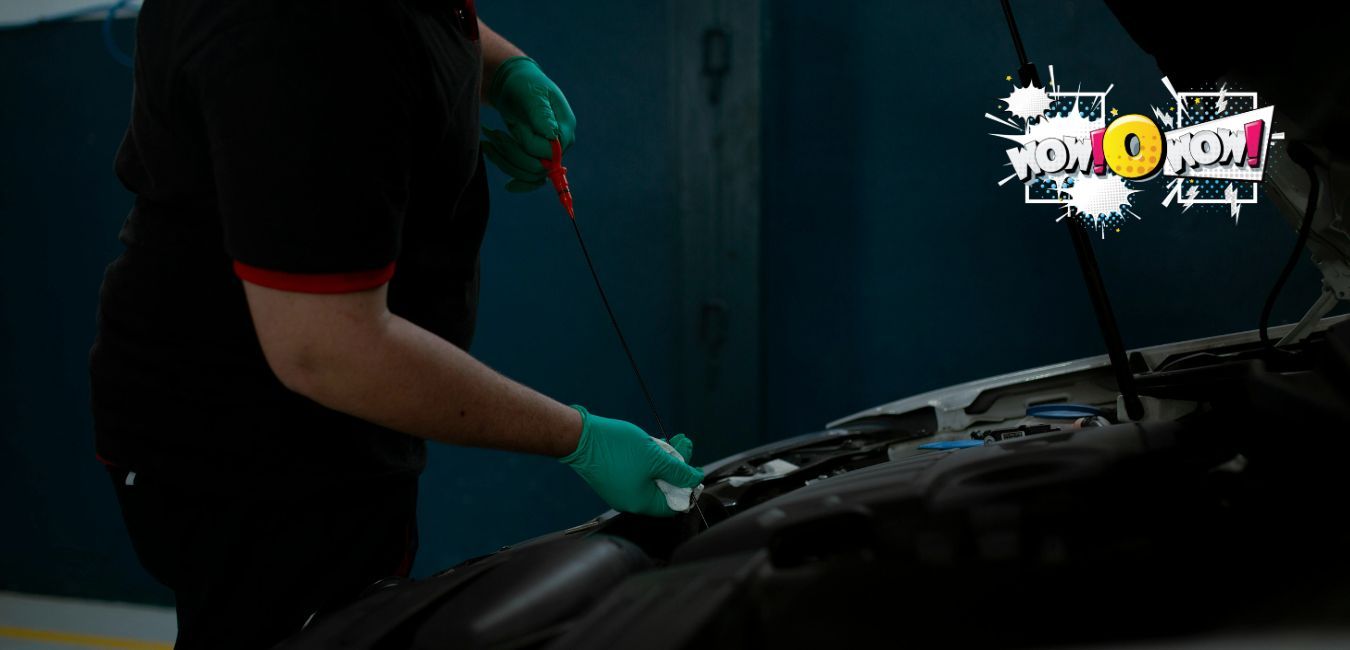
- Let it sit, then check the dipstick. Wait several minutes on level ground so the oil settles, then pull the dipstick and read the level against the marks.
- Top up if the oil is low. Add the oil grade your owner’s manual specifies, up to the full mark, and do not overfill. Then look under the car and around the engine for leaks.
- Restart and watch the light. Start the engine and see whether the pressure light goes out within a few seconds. If it does, you can drive gently and still get the cause checked.
- Do not drive if the light stays on. If the light stays on with the oil at the full mark, or there is no oil on the dipstick, do not drive. Have it towed and inspected by an ASE-certified technician rather than risking the engine.
Why is my oil low in the first place?
Oil usually gets low for one of a few reasons, and topping it up without fixing the cause just delays the next warning. The common causes are an oil leak, an engine burning oil, an overdue oil change, or simply never checking and topping up between services.
| Cause | How to tell | What to do |
|---|---|---|
| An oil leak | Spots or puddles under the car; oil on the engine | Find and fix the leak; top up meanwhile |
| Burning oil | Blue-tinged exhaust smoke; a burning-oil smell; common on older engines | Have the cause checked; watch the level closely |
| An overdue oil change | Old, dark, sludgy oil; service long overdue | Change the oil and filter on schedule |
| Not topping up | The level slowly falls with normal use | Check the dipstick about monthly and top up |
For the burning-oil case, see how to stop a car from burning oil, and if the level drops with no drips or smoke, see a car losing oil with no leak or smoke. Older engines that weep oil are covered in our guide to whether it is normal for an old car to leak oil.
Can low oil damage the engine permanently?
Yes, low oil can damage an engine permanently. Running an engine with too little oil or too little oil pressure wears the bearings, scores the cylinders, and can seize the engine entirely. A seized or severely worn engine often costs more to repair or replace than the car is worth. Catching it early, by topping up and fixing the cause, is what prevents that. Watch for the early signs before it gets there: a flickering oil light at idle, a tick on cold start, or the engine feeling sluggish can all mean oil pressure is marginal, and acting on those is far cheaper than acting after a knock.
Repair costs vary enormously, from a cheap top-up and leak fix to a full engine replacement, so confirm any quote for your vehicle. If you are only ever topping up between services, understand the difference between an oil change and adding oil, since a top-up is not a substitute for a proper service.
Frequently asked questions
Will a car shut off if it has no oil?
A car can shut off if it has no oil, because some engines cut power to protect themselves. Many, though, keep running until they seize, which is worse. Either way, an engine running with no oil is being damaged every second, so stop immediately if the oil-pressure light is red and have the car inspected.
Is it safe to drive with the oil light on?
Driving with a red oil-pressure light on is not safe, so stop the engine as soon as you can, because continuing risks seizing it. A low oil level message is less urgent but still means top up and check for leaks soon. When in doubt about which light it is, treat it as the serious one and stop.
Can adding oil fix a car that shut off from low oil?
Adding oil can fix a car that shut off from low oil if it stopped before real damage occurred, since topping up to the correct level may restore oil pressure. If the engine seized or ran dry, the damage is already done. Add oil, and if the pressure light stays on, do not drive it, and get it inspected.
How often should I check my oil to avoid this?
Check your oil level about once a month and before long trips, and change it on the schedule in your owner’s manual. Older or oil-burning engines need checking more often, since they lose oil faster. Regular checks catch a falling level long before it becomes a low-oil shutdown.
What to do now
A red oil-pressure light means stop the engine now, not after one more errand. Once it has cooled, check the dipstick, top up with the correct oil if it is low, and fix whatever made it low so it does not happen again. Do not drive if the light stays on with the oil at the full mark. For intervals, leaks, and everything oil, see our complete oil and engine oil guide, and more car care and troubleshooting help lives on our car care hub.
