


When you switch on your car, you may notice some lights flickering to life even before you turn on the headlights. These aren’t just lights; they’re your car’s DRL. So, what does DRL mean on a car?
DRL stands for Daytime Running Lights on a car. These are lights located at the front of the vehicle, designed to make it more visible during daylight hours. They automatically turn on when the car is in motion, enhancing safety by alerting other drivers and pedestrians of your presence.
Let’s explore the importance of these lights and how they work to protect you and your loved ones on the road.
Table of Contents
Key Takeaways
- Daytime Running Lights Defined: DRL stands for Daytime Running Lights, which automatically illuminate to enhance visibility during the day.
- Safety Enhancement: DRLs improve car visibility for other drivers, potentially reducing daytime accidents.
- Low Energy Consumption: Unlike headlights, DRLs use less power, contributing to energy efficiency without draining the car’s battery.
Meaning Of DRL On A Car
“DRL” stands for Daytime Running Lights. This feature on modern vehicles plays a crucial role in road safety by enhancing the visibility of cars. Let’s explore the specifics of how DRLs function and their benefits:
Daytime Running Lights Functionality
Daytime Running Lights are specifically designed to be on during the day. Unlike headlights, DRLs operate automatically and are generally located on the front of the car. Their primary function isn’t to help the driver see the road but to make the vehicle more visible to others during daylight hours.
Automatic Activation
A standout feature of DRLs is their automatic activation. As soon as you start the engine, the DRLs turn on automatically. This automatic feature ensures drivers don’t need to remember to activate their lights, aiding in compliance with safety norms that advocate for increased daily visibility.
Increased Visibility
The fundamental purpose of Daytime Running Lights (DRLs) is to increase a car’s visibility to other drivers. DRLs make cars more visible and boost traffic safety by reducing daytime accidents. Studies show vehicles with DRLs are easier to spot, especially in poor light and visibility conditions, such as early morning or late afternoon hours.
Purpose Of Car DRL
Daytime Running Lights (DRLs) on cars serve several important purposes in improving road safety. Here’s how they contribute:
Enhancing Safety
DRLs’ primary goal is to enhance safety on the roads. These lights make vehicles more noticeable to other drivers, pedestrians, and cyclists. With DRLs, cars are less likely to blend into their surroundings. This is especially true in poor light, like cloudy days or shadows. This visibility is crucial for preventing accidents and ensuring everyone’s safety.
Improving Visibility In Daylight
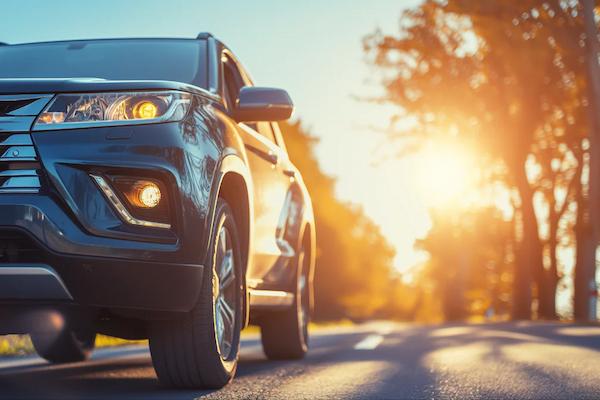
Unlike regular headlights, DRLs are bright enough to be seen during the day but not so bright as to blind other drivers. They are useful where changing light patterns can momentarily hide vehicles. This can happen when driving through patches of shadow or in sudden weather changes.
Decreasing Accidents
Statistics and studies consistently show that DRLs can significantly decrease accidents. By making vehicles more visible, DRLs help other drivers react sooner and more effectively, particularly during critical daytime driving hours. DRLs are linked to fewer collisions, including with vehicles and pedestrians.
How Does Car DRL Work?
Daytime Running Lights (DRLs) are designed to operate simply yet effectively to ensure vehicles are visible during daylight hours. Here’s a breakdown of how these lights function:
Low-Intensity Front Lights
DRLs are low-intensity lights located at the front of the vehicle. Unlike headlights, which are used during the night or in poor visibility conditions to illuminate the road ahead for the driver, DRLs are less intense.
Their primary function is not to light up the road but to make the vehicle more visible to others during the day.
Always On When Engine Running
One key feature of DRLs is that they are automatically activated when the car’s engine is turned on. This ensures that they are always in use while the vehicle operates without requiring any action from the driver. This automatic feature helps maintain consistent visibility of the vehicle during daytime driving.
Controlled By Vehicle’s Electrical System
DRLs are integrated into the vehicle’s electrical system, which controls their operation. This integration allows the DRLs to function seamlessly with other vehicle systems.
For instance, in many vehicles, the DRLs will dim or switch off when the headlights are turned on, ensuring that there is no unnecessary power consumption or overlap in functionality.
Legal Requirements
Daytime Running Lights (DRLs) are used differently in each country. Local laws and safety standards influence this. Here’s an overview of the legal aspects surrounding DRLs:
Mandated In Some Countries
In several countries, particularly in Europe and Canada, DRLs are mandatory for all new vehicles. These laws require all manufactured or sold vehicles to have DRLs.
They aim to improve visibility and reduce daytime road accidents. Such regulations are often adopted because of studies. They show that increased vehicle visibility reduces traffic collisions.
Regulations On DRL Usage
Where DRLs are mandated, specific regulations govern their use. These rules can specify the intensity and color of the lights, ensuring they are effective without causing glare to other drivers.
Regulations can dictate how and when DRLs should operate. They typically require them to be active while driving without driver input.
Compliance With Safety Standards
Vehicles equipped with DRLs must comply with national and international safety standards. These standards ensure that the vehicle’s lights maximize visibility. They must not impair the vision of other road users.
Compliance with these standards is vital. It is needed for legal reasons. It also ensures that DRLs prevent accidents. Manufacturers and vehicle owners must adhere to these regulations to ensure safety and avoid penalties.
Benefits Of Car DRL
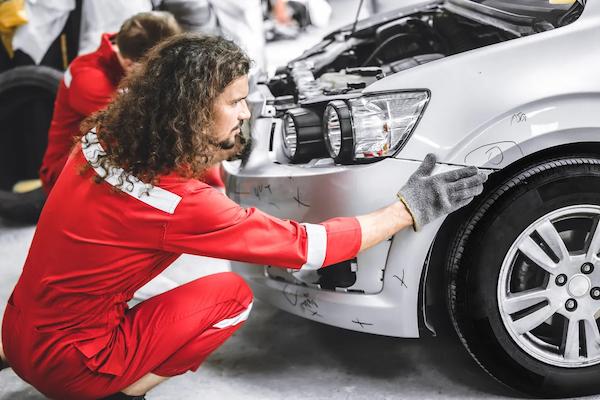
Daytime Running Lights (DRLs) help road safety and vehicle upkeep. They have several key benefits. Here’s an in-depth look at the key benefits:
Reduced Risk Of Collisions
One of the most critical benefits of DRLs is the reduced risk of collisions. By making vehicles more visible to other road users during the day, DRLs help prevent accidents. Studies show that cars with DRLs are more visible in poor light, similar to how understanding SRS in car contributes to overall vehicle safety. They are less likely to crash into other vehicles or pedestrians.
Enhanced Road Safety
DRLs contribute to overall road safety by improving the perceptibility of vehicles. This enhanced visibility helps at dawn, dusk, and in bad weather. It’s when traditional headlights may not be on yet.
DRLs ensure that vehicles are continuously visible, helping other drivers promptly notice and react to their presence on the road.
Extended Lifespan of Headlights
Using DRLs can lead to an extended lifespan for a vehicle’s main headlights. Since DRLs are designed to operate during the day and use less power, they reduce the usage hours of the main headlights.
This can greatly reduce wear on the headlights. It will extend their life and cut replacement costs.
DRL In Modern Vehicles
Daytime Running Lights (DRLs) have changed with better vehicle tech and design. Modern vehicles integrate DRLs for functionality and as a key element of style and personalization.
Integration With Vehicle Design
Modern cars have DRLs built into the design. This makes them look good while maintaining their safety function. Designers use DRLs for a unique front-end look.
This can make a vehicle stand out and be recognizable. This integration often involves placing the DRLs along unique patterns on the vehicle’s front. They must blend with the headlights and the car’s body lines.
LED DRL Technology

The adoption of LED technology in DRLs has been a game-changer. LEDs offer brighter illumination while consuming less power compared to traditional bulbs.
This technology not only improves visibility but also contributes to energy efficiency. LED DRLs last a long time and are durable. They meet modern vehicle standards for sustainability and low maintenance costs.
Customization Options
With the rise in vehicle customization, many manufacturers now offer a variety of DRL designs and features to suit personal tastes. Vehicle owners can choose from different DRL shapes, intensities, and, where legal, colors.
Some high-end models have programmable DRLs. They can change their pattern or intensity based on driving conditions or driver settings. This combines functionality, safety, and personal expression.
FAQs
1. Are DRLs Mandatory On All Cars?
Daytime Running Lights (DRLs) are not mandatory on all cars in the United States. Regulations vary by country; for instance, in Canada and countries in the European Union, DRLs are required on all new vehicles. Always check local regulations to ensure compliance with automotive lighting standards.
2. What Are The Benefits Of Having DRL On A Car?
Daytime Running Lights (DRLs) enhance safety by making cars more visible to other drivers. They reduce accidents during daylight hours, especially in adverse weather conditions. Additionally, DRLs can improve a vehicle’s aesthetic appeal and may even extend the life of other vehicle lights.
3. How Do DRLs Contribute To Car Road Safety?
Daytime Running Lights (DRLs) enhance car road safety by making vehicles more visible to other drivers, especially during daylight. These lights automatically activate when the car starts, reducing the risk of accidents by improving the detectability and perception of the vehicle on the road.
Conclusion
DRL stands for Daytime Running Lights. They are a car safety feature. They enhance visibility in daylight. These lights turn on when the vehicle starts. They make it more visible to other drivers and reduce accidents.
Modern DRLs, often using energy-efficient LED technology, are integrated into the vehicle’s design for safety and aesthetic appeal. As regulations and automotive tech evolve, DRLs are vital for road safety. So, they are now a must-have feature in new vehicles worldwide.
