

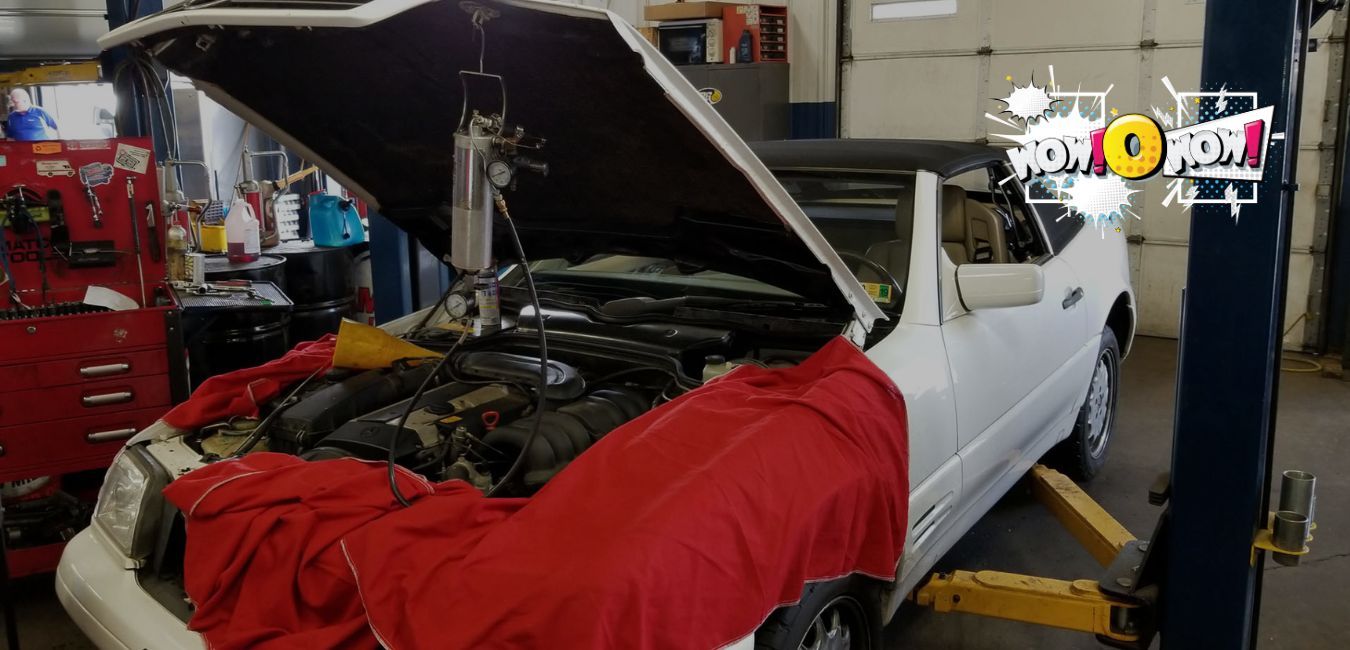
Regular maintenance is essential to keep your vehicle running smoothly, and one often-overlooked service is an induction cleaning. So, what is induction service for a car? It is a procedure that removes carbon buildup from the intake valves, throttle body, and combustion chambers, improving engine efficiency and performance.
Over time, deposits can reduce fuel economy and cause rough idling or sluggish acceleration. If you’re considering car servicing, an induction service can be a valuable addition to restore power and responsiveness. Understanding its benefits can help you determine when your vehicle needs this essential maintenance.
Table of Contents
What Is An Induction Service For A Car?
An induction service is a specialized maintenance procedure designed to clean the intake system of a vehicle, including the throttle body, intake manifold, and intake valves. Over time, carbon deposits accumulate in these areas due to fuel combustion, reducing airflow and affecting engine efficiency.
The primary purpose of an induction service is to remove these carbon buildups, ensuring optimal airflow and improving engine performance. This process differs from fuel injector cleaning, which focuses solely on the injectors, whereas induction service targets the entire air intake system. Regular induction cleaning helps maintain fuel efficiency, engine responsiveness, and overall vehicle longevity.
Why Is Induction Service Important?
Over time, carbon deposits accumulate in the intake valves, throttle body, and combustion chambers, negatively impacting engine efficiency. These deposits can restrict airflow, causing rough idling, sluggish acceleration, and increased emissions.
An induction service effectively cleans these deposits, allowing for smoother airflow and better combustion. This leads to improved fuel economy, restored engine power, and enhanced throttle response.
For turbocharged and direct-injection engines, induction service is even more crucial. Due to their design, these engines are more prone to carbon buildup, making regular cleaning essential for optimal performance and longevity.
Signs Your Car Needs An Induction Service
If your engine isn’t performing as smoothly as it should, it might be time for an induction service. Here are key signs to watch for:
- Rough Idling and Engine Misfires: When your engine idles roughly or experiences misfires, it could be due to restricted airflow caused by carbon buildup. This disrupts the combustion process, leading to uneven engine performance.
- Reduced Fuel Efficiency: Carbon deposits can cause the engine to work harder than necessary, increasing fuel consumption. If you notice a drop in your vehicle’s fuel economy, it might be time for an induction service.
- Poor Acceleration and Throttle Response: A buildup of deposits can hinder the smooth flow of air into the engine, leading to sluggish acceleration and a delayed throttle response. This can be particularly noticeable when merging onto highways or during rapid acceleration.
- Check Engine Light Warnings: Modern vehicles have sensors that monitor engine performance. If the check engine light comes on and diagnostic codes indicate issues related to airflow or fuel mixture, it may be a sign that carbon buildup is affecting engine efficiency.
How Is An Induction Service Performed?
An induction service is a specialized cleaning procedure designed to remove carbon buildup from key engine components. Here’s a step-by-step breakdown of the process:
- Application of Specialized Cleaning Solutions: The service begins with a specialized chemical cleaner to dissolve stubborn carbon deposits. This solution is carefully introduced into the engine’s intake system.
- Cleaning Key Components: Technicians target critical areas such as the throttle body, intake manifold, and valves. The cleaning solution is sprayed or injected into these components to break down the accumulated carbon, ensuring optimized airflow.
- Engine Run Cycle: After applying the cleaning solution, the engine is run for a short period. This helps circulate the solution throughout the system, effectively flushing out the loosened carbon deposits.
- Service Duration and Downtime: The entire process typically takes 30 to 60 minutes, meaning minimal downtime. This quick yet effective procedure helps restore engine efficiency without lengthy service interruptions.
How Often Should You Get An Induction Service?
The frequency of an induction service depends on your vehicle type, driving habits, and fuel quality. Regular maintenance can help prevent these issues, but how often should you schedule this service?
Manufacturer Recommendations
Automakers often provide specific guidelines for induction service based on engine design and fuel type. Most manufacturers suggest scheduling the service every 30,000 to 60,000 miles, but this varies by vehicle. Checking your owner’s manual or consulting a professional mechanic can help determine the right interval for your car.
Driving Habits That May Require More Frequent Service
If you frequently drive in stop-and-go traffic, take short trips, or use low-quality fuel, carbon buildup can occur faster. Vehicles driven in city conditions or under heavy loads (such as towing) may need an induction service more often, sometimes as early as 15,000 to 20,000 miles, to prevent performance issues.
Effects Of Using Quality Fuel And Additives
Premium fuels and fuel system cleaners can help minimize carbon buildup, extending the time between induction services. High-quality gasoline contains detergents that clean the intake system, while additives can further dissolve carbon deposits. Regularly using these products can reduce the need for frequent professional induction services.
Induction Service Vs. Fuel Injector Cleaning: What’s The Difference?
Induction service and fuel injector cleaning are essential for maintaining engine performance, but they target different fuel and air intake areas. Understanding their differences can help you determine which service your car needs.
Comparison Of The Two Services
- Induction Service focuses on cleaning carbon buildup from the intake manifold, throttle body, and intake valves. It improves airflow and restores engine efficiency.
- Fuel Injector Cleaning is designed to remove deposits from the fuel injectors, ensuring proper fuel atomization and injection into the combustion chamber.
When To Choose Induction Service Over Fuel Injector Cleaning
- An induction service is the better choice if your car has rough idling, poor throttle response, or airflow-related check engine warnings.
- Fuel injector cleaning may be more effective if your car experiences poor fuel delivery, misfires, or reduced fuel efficiency.
- Induction service is crucial for direct-injection engines since fuel injectors don’t clean the intake valves like in older port-injection systems.
Both services complement each other and, in some cases, may be recommended together for optimal engine performance.
Cost Of Induction Service
The price of an induction service can vary depending on where you get it done, the type of vehicle you own, and your location. Here’s what you need to know about the costs associated with this service.
Average Price Range: Dealerships Vs. Independent Mechanics
- Dealerships: Expect to pay between $150 – $300, as they often use manufacturer-approved products and certified technicians.
- Independent Mechanics: Costs typically range from $100 – $200, making it a more affordable option while still providing quality service.
Factors Affecting The Cost
- Vehicle Type: Luxury or performance cars, especially turbocharged and direct-injection engines, may require specialized procedures, increasing costs.
- Location: Prices can be higher in urban areas with greater labor costs and demand.
- Extent of Carbon Buildup: The cost may increase if severe buildup requires multiple treatments.
Is It Worth The Investment?
Absolutely! An induction service helps restore fuel efficiency, improves engine performance, and prevents costly repairs related to carbon buildup. If your vehicle shows signs of airflow restriction or rough idling, investing in this service can extend engine life and enhance the driving experience.
DIY Vs. Professional Induction Service
Many car owners wonder whether they can perform an induction service at home or if it’s best left to professionals. While DIY methods exist, they have significant risks that could affect your engine’s performance.
Can You Do An Induction Service At Home?
Yes, DIY induction cleaning kits allow you to apply a carbon-cleaning solution through the intake system. These kits usually include an aerosol or liquid cleaner that must be sprayed into the throttle body while the engine is running. However, the process requires caution and proper technique to be effective.
Risks Of DIY Methods And Why Professional Service Is Recommended
- Incorrect Application: Using the wrong amount of cleaner or applying it improperly can damage engine components.
- Potential Engine Damage: Spraying too much solution too quickly can cause hydrolock, a condition where liquid enters the combustion chamber and damages internal parts.
- Limited Effectiveness: DIY methods may not be as thorough as professional-grade tools used by auto shops to target deep carbon buildup.
- Lack of Diagnostics: Professionals can check for related issues, such as faulty sensors or severe buildup, ensuring a more comprehensive service.
FAQs
1. How Do I Know If My Car Needs An Induction Service?
If your car has rough idling, engine misfires, sluggish acceleration, poor fuel efficiency, or a check engine light related to airflow, it may need an induction service. Carbon buildup in the intake system restricts airflow, reducing performance. Regular car servicing can help prevent these issues and keep your engine running smoothly.
2. Can An Induction Service Improve My Car’s Fuel Efficiency?
Yes, an induction service can improve your car’s fuel efficiency by removing carbon buildup from the intake valves, throttle body, and combustion chambers. This restores proper airflow and combustion, allowing the engine to run more efficiently. A cleaner engine burns fuel more effectively, leading to better mileage and overall performance.
3. How Long Does An Induction Service Take?
An induction service typically takes about 30 to 60 minutes to complete. However, the exact duration depends on factors like your vehicle’s condition, engine type, and the extent of carbon buildup. This quick procedure minimizes downtime while effectively restoring engine performance and fuel efficiency.
Conclusion
An induction service is a crucial maintenance procedure that removes carbon buildup from your engine’s intake system, improving performance, fuel efficiency, and longevity. This service can restore smooth engine operation if you experience rough idling, poor acceleration, or reduced fuel economy.
While DIY methods exist, professional service ensures a thorough and safe cleaning process. Though the cost varies, the benefits outweigh the expense by preventing costly repairs and maintaining optimal engine function. Whether you own a turbocharged, direct-injection, or standard engine, scheduling an induction service as part of your car servicing routine is a smart investment.
