

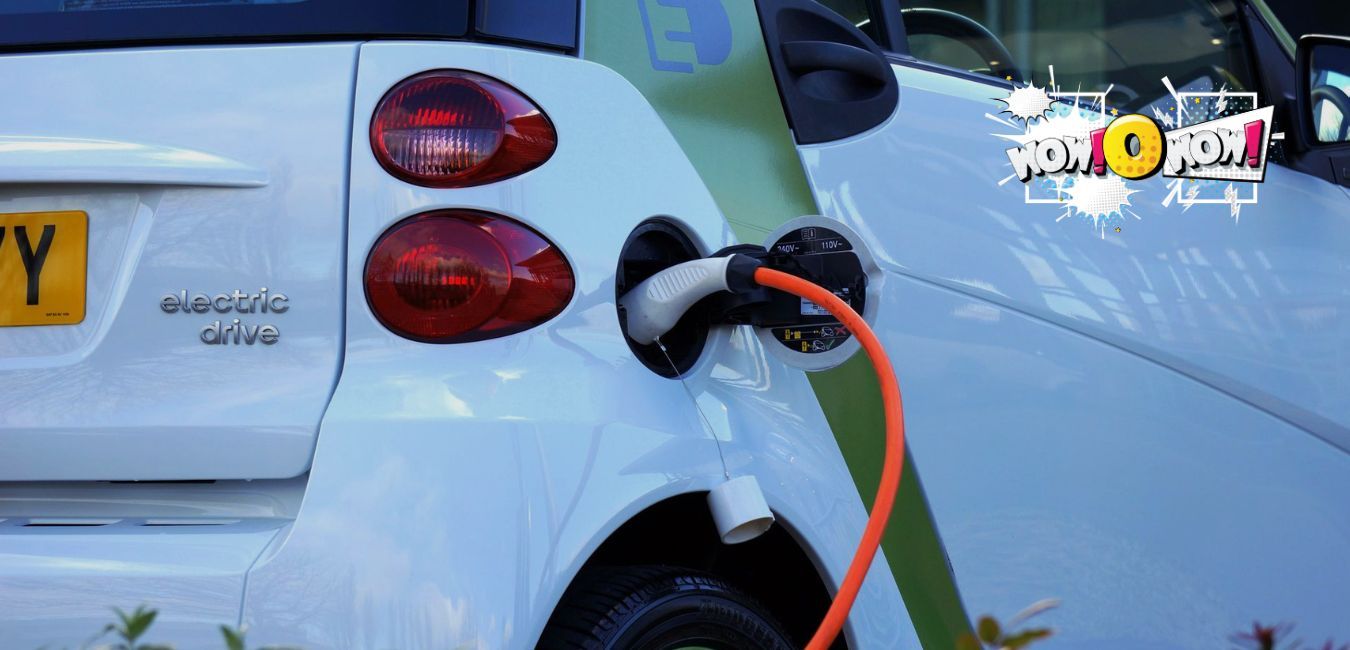
Ordinary rain is no reason to stop charging an electric vehicle, as long as the station is designed for outdoor use and installed correctly. However, the situation changes when a thunderstorm approaches: the primary danger is not the water itself, but the voltage surge caused by lightning. Here are the recommendations from the Autoland Jacksonville car dealership techs on when to stop charging, whether it is safe to touch the cable, and what to do after the storm passes.
Table of Contents
Rain Alone Does Not Interfere With Charging
One of the most common fears among electric vehicle owners stems from the combination of water and high voltage. It seems logical that charging a car in a downpour would be dangerous. However, a properly functioning charging system is specifically designed to operate in various weather conditions.
Modern wallboxes feature moisture-resistant housings and appropriate ingress protection ratings. For example, the Tesla Wall Connector is rated IP55, while the Siemens VersiCharge is rated IP56; the VersiCharge vehicle connector itself meets the IP54 standard. This means the equipment is designed to withstand moisture exposure within the limits specified by the manufacturer.
However, a few important conditions apply: the charging equipment must be in good working order and meet outdoor installation requirements, and the connector contacts must be free of damage or accumulated water.
The Real Danger Comes From Lightning, Not Rain
The situation changes completely when a thunderstorm accompanies the rain. In this case, the issue is no longer the water. A lightning strike near power lines can cause a voltage surge, which poses a potential risk to sensitive electronics. Both the charging station itself and the electric vehicle’s electronic components could be damaged.
Safety systems even in the cheapest electric cars include protection against such emergencies, but they do not guarantee protection against a powerful, nearby lightning strike. That is why it is best to finish charging before a thunderstorm arrives.
Why You Shouldn’t Unplug The Cable During A Thunderstorm
The most dangerous mistake is remembering the charging cable only when thunder is already rumbling overhead. Some manufacturers’ manuals explicitly state that you should not connect or disconnect the charging cable during a thunderstorm. The logic is simple: if storm activity has already begun, don’t step out into the open just to unplug the vehicle.
According to the US National Weather Service, hearing thunder means lightning can strike in your immediate vicinity. Therefore, the rule for electric vehicle owners can be stated very simply:
- If you see a storm approaching, unplug the vehicle beforehand; if you can already hear thunder, stay in a safe place.
It is not worth risking your safety for a few extra percentage points of battery charge.
How to properly disconnect the car from a wallbox
If the storm has not started yet, the procedure is simple.
For a standard home charging station with a tethered (non-detachable) cable, stop charging as usual and disconnect the plug from the vehicle.
You do not need to disassemble the charging station, disconnect internal components, or manually cut power to the stationary equipment unless the manufacturer’s instructions specify otherwise.
Surge Protection Reduces Risk But Does Not Make The System Invulnerable
Manufacturers of charging equipment incorporate protection for the electrical system against voltage surges. For instance, Siemens specifies appropriate protective measures for its charging lines. For certain VersiCharge models, an external Type 2 surge arrester is required, even though built-in protection is already present. However, it is important to understand how such a system works.
Surge protection does not turn the charging station into an absolute shield against lightning. While it can significantly reduce the risk of electronic damage during standard voltage spikes, a direct or very close lightning strike imposes an extreme load, and you can’t entirely rule out consequences.
What If A Thunderstorm Catches You Right Next To The Car?
In this case, the most sensible course of action is to avoid using the charging equipment if weather conditions have already become dangerous.
If you are inside the vehicle, a closed car with a solid metal roof is much safer during a thunderstorm than an open area. However, it is a common misconception that rubber tires provide safety. The metal body structure plays the primary role, allowing the electrical discharge to travel along the vehicle’s exterior surface. During a thunderstorm, it is recommended to keep doors and windows closed and to avoid touching exposed metal parts unnecessarily.
However, this rule doesn’t apply to every vehicle. Convertibles and certain cars with non-metallic body structures do not offer the same level of protection.
What To Do After Heavy Rain And A Thunderstorm
You shouldn’t rush out to your car immediately after the storm ends, either. Meteorologists recommend waiting at least 30 minutes after the last clap of thunder before resuming normal outdoor activities. Even then, it is worth inspecting the equipment.
Pay special attention to the charging connector. There should be no water, dirt, or signs of damage within the contact area. If the station or cable shows visible defects, do not use it until you inspect it.
If the storm involved a lightning strike right next to your home or the charging equipment, a visual inspection alone is not enough. The electronics could have sustained damage that isn’t visible from the outside.
Flooding Is A Far More Serious Issue
Another scenario should not be confused with ordinary rain. That is flooding, which is especially vital to states like Florida.
If the water level rises to the point where the wallbox is partially or fully submerged, do not use it until a professional has inspected it. The same applies to an electric vehicle that has been subjected to severe flooding or submersion. In this case, standard moisture protection ratings no longer apply. The equipment may have been exposed to water conditions exceeding its design specifications, and moisture could remain inside the electrical components.
Trying to activate such a system yourself could cause further damage and pose a safety risk.
Summing Up
In practice, it all comes down to three simple rules:
- Ordinary rain is not a problem. If the charging station is designed for outdoor use, is in good working order, and is installed correctly, you can charge your electric vehicle while it is raining.
- If a thunderstorm is approaching, unplug the vehicle beforehand. You don’t need to wait for the first clap of thunder; if a storm front is moving in, finish charging before conditions worsen.
- If a thunderstorm has already started, do not go out to the car to handle the charging cable. Personal safety is more important than the charging process.
One more important exception: if the equipment has been submerged in water, do not use it until a professional has inspected it.
