

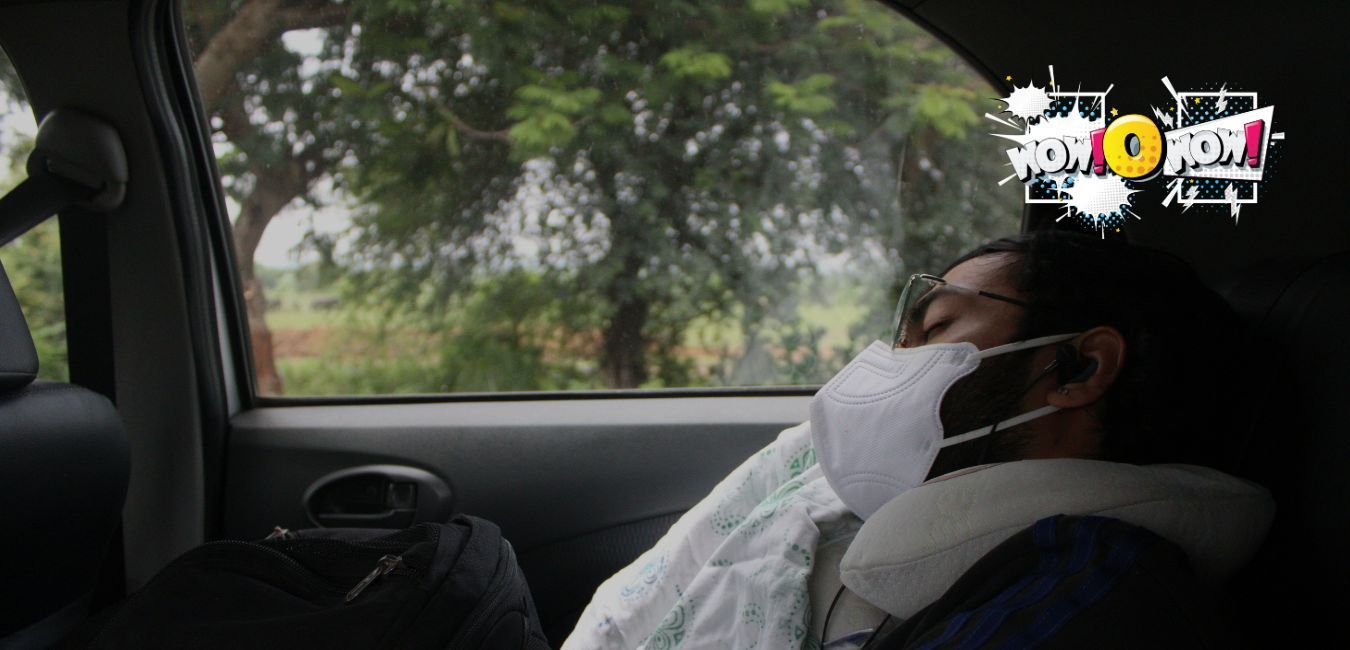
Quick Answer: No, it’s not safe to sleep in a car with the windows fully up. Poor air circulation can cause oxygen levels to drop and carbon dioxide or carbon monoxide to build up, especially if the engine is running. For safety and comfort, always keep windows slightly cracked and follow car-sleeping best practices.
Table of Contents
Why People Ask This Question
During long road trips or in unexpected situations, many people consider sleeping in their car. It feels convenient and secure, but raises the obvious question: can you sleep in a car with the windows up?
Modern vehicles are well-sealed, but not airtight, meaning there’s still a small exchange of air. However, it’s important to monitor temperature and avoid extreme weather conditions. According to Vehicleaccidentinjury.com, sleeping in your car with the windows up is typically safe as long as you take the proper precautions—such as ensuring the engine is off, the area is secure, and you’re dressed appropriately for the temperature. Comfort and safety go hand in hand, so planning ahead can make all the difference in getting restful sleep on the road.
The Dangers Of Keeping Windows Fully Up

1. Air Circulation Problems
With closed windows, fresh air can’t enter and stale air can’t exit. This leads to a stuffy environment, making it harder to breathe and increasing the chance of discomfort. The human body requires a steady supply of oxygen, and even mild hypoxia (low oxygen) can cause sleep disturbances and restlessness during the night.
2. Carbon Monoxide Poisoning
If the engine is running, carbon monoxide (CO) can enter the cabin. This colorless, odorless gas can cause symptoms like nausea and dizziness—or even death. Never sleep with the engine running. Even in colder climates where you might want to use your heater, it’s best to find alternative warming methods. CO poisoning is responsible for hundreds of deaths annually, many involving vehicles.
3. Overheating & Temperature Fluctuations
Temperatures inside a closed vehicle can spike rapidly, especially in hot weather. This can cause heatstroke, dehydration, or severe discomfort. On the flip side, winter weather can turn your car into an icebox. Without ventilation or heating, regulating a stable, safe temperature becomes a challenge.
4. Oxygen Depletion
Even without the engine running, oxygen levels can gradually drop, particularly in smaller vehicles. Reduced oxygen can lead to poor sleep or minor symptoms like headaches or dizziness. While most cars aren’t completely airtight, prolonged time inside without ventilation can make the air feel stale and uncomfortable.
5. Reduced Awareness
With the windows fully up, it becomes harder to hear outside noises—reducing your awareness of your surroundings. This can compromise personal safety. If someone is trying to alert you or if there’s suspicious activity around your car, you may not notice it as quickly.
How To Ventilate Safely
Crack The Windows
Open each window about an inch to allow airflow without compromising safety. This small gap improves air exchange and prevents complete enclosure.
Use Rain Guards Or Window Visors
These let you keep windows slightly open even in bad weather, without letting water in. They also offer a level of discretion that helps with privacy.
Install A Roof Vent Or Fan
Battery-powered roof vents or clip-on fans help maintain air circulation without opening windows wide. These devices are often used by RVers and vanlifers who spend extended periods in their vehicles.
Cross Ventilation
If possible, crack two windows on opposite sides of the vehicle. This creates a cross-breeze that significantly improves airflow and reduces condensation build-up.
Legal & Safety Considerations
Know The Law
Some cities or states (e.g. Los Angeles, San Francisco) have ordinances against sleeping in vehicles. Research local laws before parking overnight. Laws can vary by municipality, and fines or towing are possibilities in prohibited zones.
Park Smart
Choose well-lit, legal areas like 24-hour store lots (with permission), truck stops, or designated rest areas. Avoid isolated or dark locations. Apps like iOverlander or Park4Night can help identify safe sleeping spots.
Enhance Privacy & Security
Use reflective window shades or curtains to maintain privacy. Always lock doors and keep valuables out of sight. Consider carrying a personal safety alarm or pepper spray for extra reassurance.
Helpful Gear For Safe Car Sleeping
- Sunshades / Reflectix: Keeps light and heat out
- Battery-powered fans: Improve airflow
- Earplugs: Reduce noise
- Sleeping bag & blankets: Handle temperature swings
- Portable power banks: Keep devices charged
- Neck pillow or travel mattress: Boost sleeping comfort
- Window bug screens: Allow air in, keep bugs out
Safer Alternatives

Use Partially Open Windows
This is the safest compromise—allows airflow while maintaining security. Use window locks or security bars if you’re concerned about potential intrusion.
Utilize A Sunroof (If Available)
A partially open sunroof provides airflow from above without inviting much attention. It can also release heat trapped near the roof.
Sleep Outside (Weather Permitting)
If safe and legal, use a tent or cot setup near your car. Great for road trips in parks or campgrounds. This is especially useful when camping overnight in scenic or forested areas.
Find A Rest Stop Or Motel
When possible, budget for the occasional motel or designated rest area. A real bed, access to a restroom, and peace of mind are worth it.
Climate-Specific Tips
- Hot Weather: Use sunshades, park in shade, stay hydrated. Open windows just enough to vent heat without compromising safety. Avoid parking on asphalt, which radiates heat.
- Cold Weather: Use insulated blankets, sleeping bags, and wear layers. Avoid running the engine while sleeping. Consider an emergency mylar blanket or battery-powered heater (only those designed for indoor use).
Frequently Asked Questions
1. Is It Safe To Sleep In A Car With The Windows Closed?
No. Lack of ventilation can cause a buildup of carbon dioxide or, if the engine is running, carbon monoxide.
2. How Can I Sleep Comfortably In My Car?
Recline your seat or use a mattress pad. Use a pillow, blanket, crack the window, and park somewhere safe and legal.
3. Do You Need Ventilation When Sleeping In A Car?
Yes. Proper airflow is critical to ensure oxygen remains available and to prevent overheating or condensation.
4. Where Is The Safest Place To Sleep In Your Car?
Designated rest stops, truck stops, and 24-hour retail parking lots (with permission) are often safest. Avoid secluded or no-parking zones.
Final Thoughts
Can you sleep in a car with the windows up? Technically yes, but it’s not safe. Even though cars aren’t airtight, poor air quality, temperature risks, and potential CO buildup make it hazardous. Always ensure good ventilation, legal parking, and personal safety to turn your vehicle into a safe sleeping spot. Equipping yourself with the right tools and knowledge can turn a potentially dangerous situation into a manageable—and even restful—experience.
