


The automotive world is evolving rapidly, and efficiency has become the cornerstone of every successful operation. From large auction yards and busy repair shops to rural dealerships and towing lots, fueling remains one of the most time-consuming and logistically challenging tasks. Traditional methods often require moving vehicles to stationary pumps, wasting valuable time and labor. Mobile fueling stations are changing that, offering a smarter, faster, and more flexible way to keep operations moving.
At the center of this innovation is the portable fuel tank, a solution designed to bring the pump to the vehicle rather than the other way around. Built for convenience, safety, and rugged performance, it’s transforming how fueling is done across the industry. In this article, we’ll explore how mobile fueling began, its evolution from water to wheels, how it thrives on any terrain, and why it’s shaping the future of automotive operations.
Table of Contents
From Water To Wheels: The Unexpected Evolution Of A Fueling Solution
What began as a fueling system for boats and small aircraft has evolved into a must-have tool for the automotive world. The original goal was simple — create a portable, safe, and efficient way to transport and dispense fuel wherever it’s needed. That vision led to the development of the Smart Ass Fuel Mule Gas Caddy, a motorized, rechargeable, and terrain-ready fueling system designed to make refueling effortless.
Now, this same innovation that once rolled across docks and airfields is transforming auto lots, repair shops, and auction yards. With its durable design, electric pump, and ability to move smoothly over gravel, grass, and mud, The Smart Ass Fuel Mule delivers reliable fueling on any surface. It’s a perfect example of how smart engineering and real-world problem-solving can reshape entire industries — bringing convenience, safety, and adaptability to modern automotive operations.
Innovation In Motion: Redefining How And Where Vehicles Get Fueled
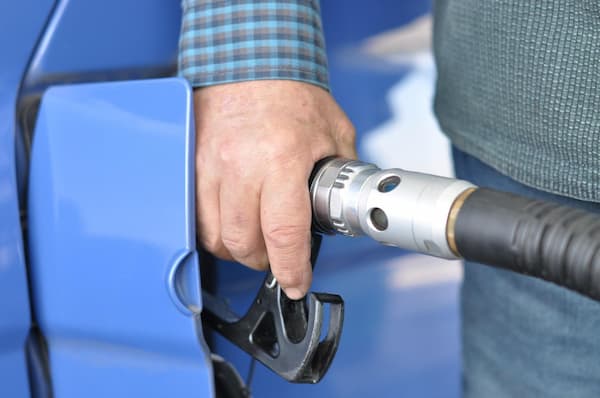
Fueling has long been viewed as a fixed process where vehicles come to the pump, wait their turn, and return to work. But as automotive operations expand into larger lots, rural areas, and uneven terrain, that model no longer fits. Innovation has shifted the focus from stationary fueling to flexible, mobile solutions that move with the workflow.
Modern portable fueling systems are reshaping how fleets, service shops, and auction sites operate. Instead of rerouting vehicles or losing time to refueling logistics, fuel can now come directly to where it is needed. This mobility keeps operations efficient and reduces downtime.
The evolution reflects a broader industry trend that blends technology, safety, and practicality to meet real-world challenges. Mobile fueling is not just about convenience; it is about enabling productivity wherever work happens, whether that is on smooth pavement, gravel, or rough ground.
Built For Any Terrain: Powering Through Gravel, Grass, And Mud
1. Overcoming The Challenges Of Uneven Ground
Automotive lots and storage yards are rarely perfect surfaces. Gravel, potholes, and soft ground can slow down operations and make traditional fueling methods difficult. Mobile fueling systems designed with stability and traction in mind solve this problem by moving smoothly across irregular terrain, ensuring fuel reaches every vehicle or piece of equipment without interruption.
2. Engineering Mobility For Real-World Conditions
Heavy-duty tires, a low center of gravity, and powered movement make these systems capable of handling diverse environments. Whether it is navigating across wet grass, compacted dirt, or loose gravel, their design allows for steady control and safe operation. This adaptability keeps fueling efficiency, even when conditions are unpredictable.
3. Consistent Performance Across Every Surface
From busy auction yards to rural dealerships, reliability is key. A fueling system that performs the same on pavement as it does in mud or grass helps maintain workflow without costly delays. By mastering any surface, mobile fueling solutions keep operations moving, no matter where the work takes place.
Transforming Efficiency In Auto Lots, Shops, And Auction Yards
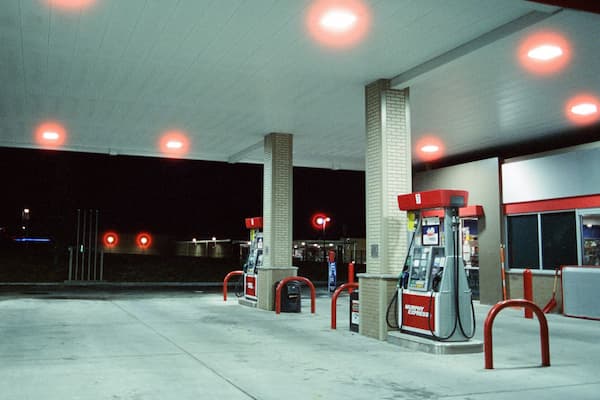
Efficiency is the heartbeat of automotive operations, and fueling often determines how smoothly that rhythm runs. Traditional refueling setups require vehicles to be moved, lined up, or redirected to a single pump location, wasting valuable time and manpower. Mobile fueling solutions are changing this dynamic by bringing the fuel directly to the vehicles, streamlining every step of the process.
In environments where dozens or even hundreds of vehicles need to stay ready, the benefits are clear:
- Faster workflow: Fuel multiple vehicles without repositioning them or disrupting operations.
- Reduced downtime: Keep vehicles and equipment fueled in place, even in large or remote areas.
- Improved safety: Limit vehicle movement, reducing the chance of collisions or mishaps in crowded lots.
- Cost savings: Lower fuel waste and labor time while maximizing productivity.
By simplifying fueling logistics, mobile systems help shops, auction sites, and service yards run more efficiently, safely, and profitably.
The Future Of Mobile Fueling: Adaptability Driving The Next Wave Of Automotive Operations
As the automotive industry continues to evolve, adaptability is becoming the defining factor of operational success. Businesses are moving toward flexible, on-demand solutions that can adjust to shifting needs, new technologies, and changing environments. Mobile fueling is at the heart of this transformation, offering the versatility and convenience modern operations demand.
The Smart Ass Fuel Mule Gas Caddy reflects this future-focused mindset. Its motorized design, electric pump, and rugged build make it an ideal example of how innovation can solve everyday challenges in automotive workspaces. By delivering reliable fueling anywhere—whether across paved lots, gravel yards, or uneven ground—it embodies the adaptability that keeps businesses running efficiently.
As industries continue to embrace mobility and automation, tools like these are setting the standard for the next generation of fueling—smarter, faster, and ready for whatever terrain lies ahead.
Conclusion
Mobile fueling has redefined how the automotive industry approaches efficiency and adaptability. What began as a simple solution for boats and aircraft has evolved into an essential tool for modern operations on land. With portable fuel tanks enabling safe, on-demand fueling across any terrain, businesses can save time, reduce costs, and boost productivity. As technology and innovation continue to advance, mobile fueling stands as a clear example of how smart design keeps the automotive world moving forward.
