

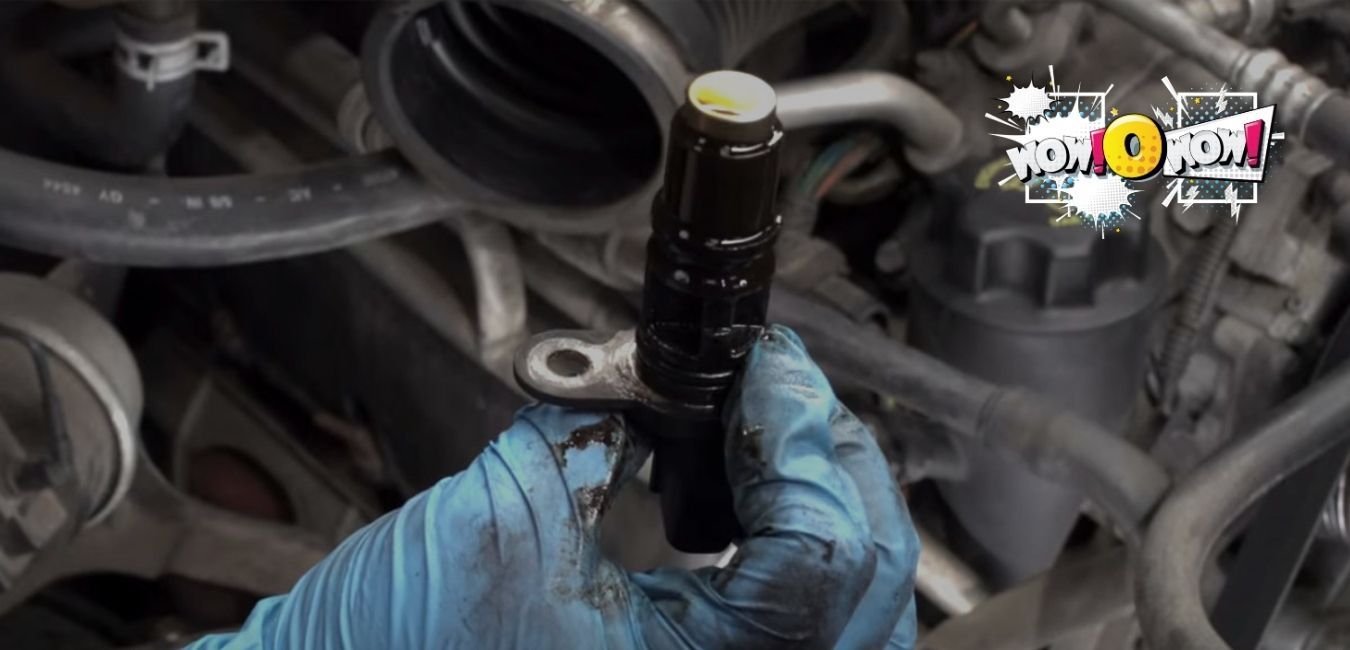
Facing a non-starting car is a common frustration, often traced back to a faulty crankshaft sensor. This vital component monitors your engine’s speed and position, but starting your car seems impossible when it fails. Fear not!
Understanding “how to start a car with a bad crankshaft sensor” is your first step toward a solution. In this guide, we’ll uncover practical tips and temporary fixes to breathe life into your engine.
You’ll learn the role of this sensor, the signs of its failure, and how to navigate this challenging situation. Ready to tackle the problem? Let’s get your car moving!
Table of Contents
Understanding Crankshaft Sensors
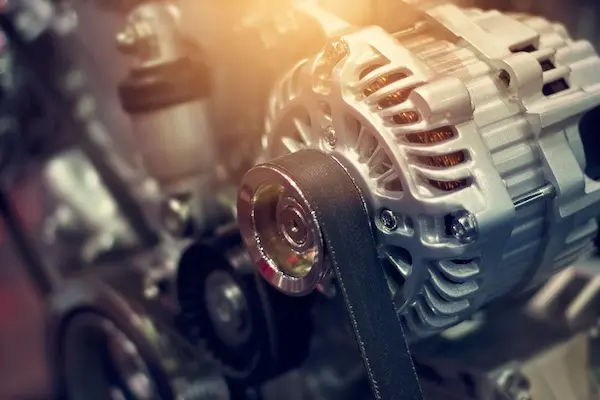
Sensor Functionality
The crankshaft sensor plays a crucial role by tracking the engine’s speed and position, which is crucial for smooth operation. It ensures the right amount of fuel mixes with air for ignition.
This harmony keeps your car running efficiently, making your rides smooth and enjoyable.
Common Failure Causes
Failures often arise from regular wear, excessive heat, or electrical issues. Dirt and debris can also hinder its performance. Knowing what affects the sensor can prevent problems, ensuring a longer life for your car’s essential parts and a more reliable drive.
Impact On Car Performance
When this sensor fails, you will notice your car struggling to start, losing power, or consuming more fuel. Recognizing these signs early can lead to quick fixes, avoiding bigger issues.
Stay alert to your car’s performance to ensure a smooth and efficient journey every time.
Diagnostic Methods
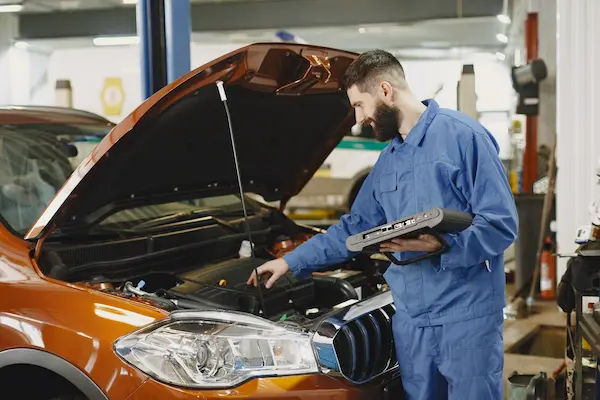
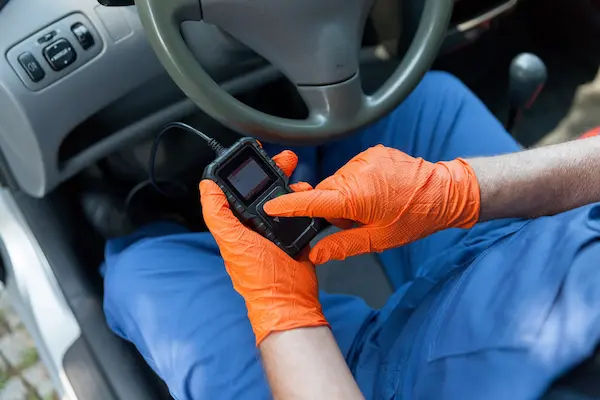
Mechanics diagnose these issues with specialized tools that read your car’s diagnostic codes. They also visually inspect for any signs of damage or loose connections. Regular maintenance checks help catch problems early, leading to a healthier car and more peace of mind.
Stay proactive to keep your car running at its best.
Temporary Solutions
Quick Fixes Overview
In a pinch, quick fixes can get your car running. These include cleaning the sensor, checking wiring connections, or resetting the car’s system. While short-term solutions, they can help you move your car to safety or a repair shop.
Always approach these methods with care and knowledge.
Bypassing Sensor Tricks
Some drivers temporarily bypass the sensor to start their car. This involves specific techniques like manual cranking or using a diagnostic tool to override the faulty signal.
Remember, these are temporary measures meant to get you to a mechanic, not permanent fixes. Always proceed with caution and consult a professional if unsure.
Safety Precautions
Before attempting any fix, prioritize safety. Ensure the car is in a safe location, the engine is off, and the keys are out of the ignition.
Understand the steps you plan to take and recognize when a problem is beyond a simple fix. Safety first means a smoother path to getting the right repair done.
Limitations Of Solutions
While temporary solutions are helpful, they have limits. They do not address the root cause, leading to repeated issues. Overreliance can also risk further damage and potentially unsafe conditions.
Viewing these as short-term fixes and seeking professional help for a comprehensive and safe long-term solution for your vehicle is crucial.
Long-Term Fixes
Professional Repair Need
For a lasting solution, professional repair is key. Mechanics have the tools and expertise to diagnose and fix issues correctly. They ensure your car runs safely and efficiently.
Trusting an expert brings peace of mind and prevents future breakdowns, making it a wise choice for the health and longevity of your vehicle.
Choosing Replacement Parts
Selecting the right replacement parts is crucial. Opt for quality components that match your car’s specifications. Reliable parts improve performance and extend your vehicle’s life. Seek advice from trusted mechanics or reputable dealers to make informed choices.
Investing in good parts means a smoother ride and fewer worries.
DIY Vs. Mechanic
Deciding between a DIY and a professional mechanic depends on your skills and the problem’s complexity. Simple tasks are manageable at home, but a mechanic’s precision is invaluable for complex issues. Consider your ability and the risks involved.
A mechanic’s expertise often ensures a safer, more reliable fix, saving time and money long-term.
Maintenance Post-Repair
After repairs, regular maintenance is vital. Follow a consistent schedule to check and service your car. Regular checks help catch small issues before they grow, maintaining your car’s performance and value.
A well-maintained car runs better, lasts longer, and provides a safer, more enjoyable driving experience for you and your family.
Preventative Measures
Regular Sensor Checks
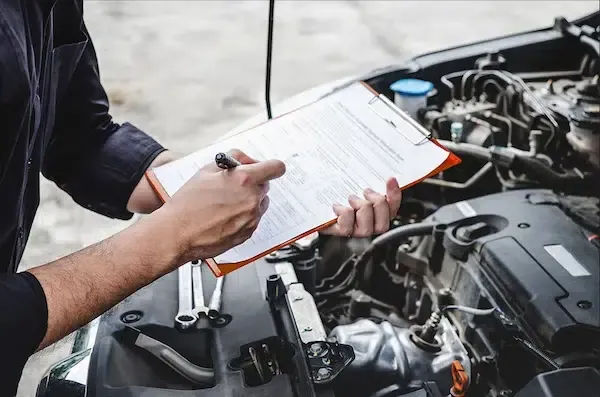
Regularly checking your crankshaft sensor can prevent unexpected failures. Include it in your routine maintenance. Look for signs of wear, damage, or loose connections. Clean it carefully to remove dirt and oil.
These simple steps can greatly extend its life, ensuring your car stays reliable and ready for the road ahead.
Avoiding Common Issues
To avoid common sensor issues, keep your engine clean and well-maintained. Protect wiring from heat and damage, and ensure connections are secure. Be mindful of symptoms like erratic performance or starting troubles.
By addressing small problems early, you can prevent bigger ones later, keeping your car running smoothly and efficiently.
Early Detection Tips
Stay alert to changes in your car’s performance. Unusual sounds reduced fuel efficiency, or difficulty starting can signal a problem. Use a diagnostic tool to check for error codes regularly.
Understanding these signs and acting quickly can mean distinguishing between a simple fix and a costly repair, keeping you safer and more confident on the road. Detecting these issues early when you start a car with a bad starter is crucial.
Recommended Service Intervals
Follow your car’s recommended service intervals. Regular servicing by a professional can catch issues early. They’ll check your crankshaft sensor and other critical components, ensuring everything functions properly.
This proactive approach reduces the risk of sudden failures, improves longevity, and ensures your car remains a reliable, efficient companion for all your journeys.
FAQs
1. Can A Car Start Without Crank Sensor?
Starting a car without a crank sensor is tough. The sensor tells your engine important info it needs to start. Without it, your car will not start or could run poorly. It’s best to fix it to keep your car running smoothly.
2. Can I Drive With A Bad Crankshaft Position Sensor?
Driving with a bad crankshaft sensor is risky. It causes your car to stop suddenly or run poorly. For your safety and your car’s health, it’s better to get it checked and fixed right away.
3. What Sensor Will Keep A Car From Starting?
Several sensors can keep a car from starting, but the crankshaft position sensor is a common culprit. It’s key for starting your engine. When it’s not working right, your car will not start or have trouble running.
How To Start A Car With A Bad Crankshaft Sensor: Wrapping up
When you’re stuck with a car that won’t start, understanding how to start a car with a bad crankshaft sensor is crucial. This guide has given you a lifeline, offering temporary fixes to get you on the move again.
But remember, these are just quick solutions. For lasting safety and performance, professional repair is key. Drive confidently, knowing you’ve taken the first step toward resolving your car’s issues. Keep this knowledge in your back pocket for a smoother, worry-free driving experience.
Safe and happy travels to you on all your future adventures!
