

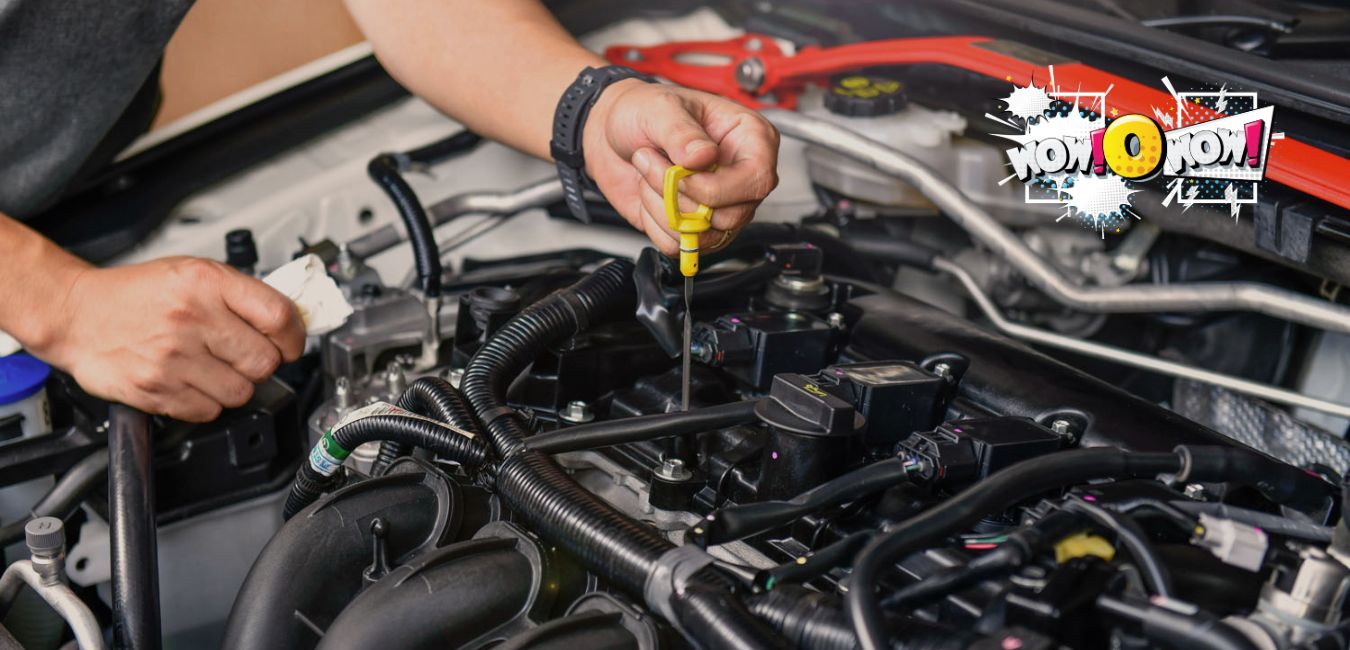
Is it necessary to service your car every 6 months? This question is a crucial one for every car owner looking to maintain their vehicle’s health and ensure its longevity.
Yes, it is necessary to service car every 6 months to maintain its performance and safety. Regular check-ups prevent major repairs, ensure smoother operation, and significantly extend your vehicle’s lifespan. This routine also helps in retaining the car’s value. It’s a proactive approach to vehicle care.
In this comprehensive guide, we’ll dive into the heart of car maintenance, examining the impacts, benefits, and essential considerations of servicing your car biannually.
Table of Contents
Key Takeaway
- Optimal Performance Maintenance: Regular servicing every 6 months is essential for maintaining your car’s optimal performance.
- Safety and Longevity: Biannual servicing ensures safety, prolongs vehicle lifespan, and helps avoid costly repairs.
- Warranty Compliance: Following a biannual servicing schedule is crucial to keep your car’s warranty valid.
Benefits Of Biannual Car Servicing
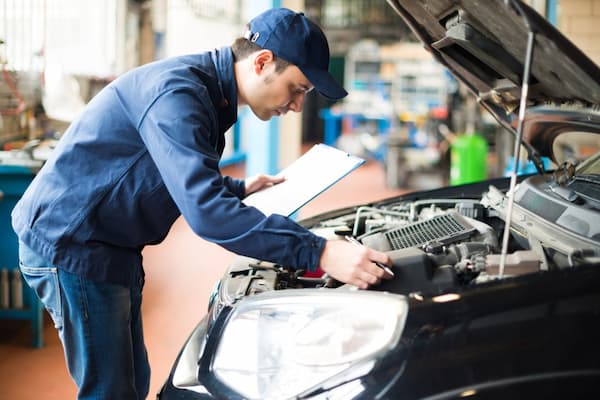
Regular car servicing is key to keeping your vehicle in top shape. Here, we explore the benefits of servicing your car every 6 months.
Engine Health And Longevity
Regular servicing includes essential steps like changing the oil and the oil filter, which are crucial for protecting the engine from wear and tear. Clean oil ensures that engine parts move smoothly, reducing the risk of damage.
During servicing, mechanics also inspect the engine for any signs of problems. Catching and fixing these issues early prevents them from costly repairs. This regular attention helps the engine to last longer, ensuring that your car performs at its best.
Safety Enhancements
Servicing your car every 6 months significantly enhances its safety. During these check-ups, critical safety features like brakes, lights, and tires are thoroughly inspected. Mechanics ensure the brakes are responsive and not worn out, which is vital for safe stopping.
They check the lights, headlights, and brake lights to ensure they are functioning correctly. Tire inspection is another key aspect, where they check for adequate tread and proper inflation, which is crucial for safe driving. Suspension and steering systems are also reviewed.
Cost Savings Long-Term
Servicing your car every 6 months leads to significant cost savings in the long term. Regular check-ups help identify small problems before they turn into big, expensive repairs.
Replacing a worn belt during a service is cheaper than fixing a broken engine later. Regular oil changes and maintenance prevent engine damage, which is costly to repair.
Servicing keeps your car running efficiently, saving you money on fuel. Again, changing an old car charging port saves you from hassles later.
Warranty Compliance
Following a regular servicing schedule is key to maintaining your car’s warranty. Most car warranties require routine maintenance to stay valid. Servicing your car every 6 months often meets these requirements.
During these services, mechanics follow the guidelines set by the car manufacturer. This includes checking and replacing parts. Your warranty does not cover certain repairs if you skip these services. Biannual servicing is essential to keep your car’s warranty effective.
Improved Resale Value
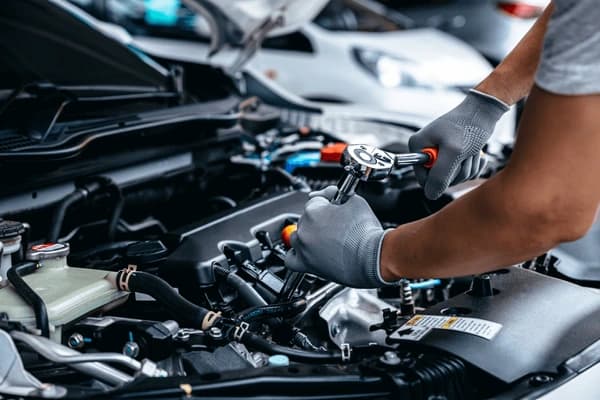
Regularly servicing your car every 6 months helps improve its resale value. A well-serviced car shows that you have taken good care of it. Potential buyers often prefer cars that have a full-service history.
This history is proof that the car has been maintained properly. It reassures buyers that they are getting a reliable vehicle. Cars with complete service records often sell for a higher price.
Potential Risks Of Skipping Regular Car Servicing
Not servicing your car regularly leads to several problems. Here are the risks of skipping car servicing:
Increased Repair Costs
Not servicing your car regularly leads to higher repair costs. Small problems that are not fixed early grow into big, expensive issues. For example, when ignored, a small oil leak leads to major engine damage. Regular car servicing takes some hours, but fixes long-term problems.
This prevents them from becoming big repairs that cost a lot. Also, when parts wear out and are not replaced, they damage other parts of the car. Skipping regular servicing leads to larger and more costly repairs in the future.
Safety Risks
Skipping regular car servicing increases safety risks. When a car isn’t serviced, sometimes important parts do not work right. For example, brakes wear out and do not stop the car quickly. Tires with not enough tread slip on the road.
Lights that don’t work reduce how well you see and are seen. Steering problems make the car hard to control. Each of these issues leads to accidents. So, not servicing your car makes driving it much more dangerous.
Reduced Vehicle Lifespan
Not servicing your car regularly reduces its lifespan. Regular servicing keeps a car running well. Without it, parts of the car wear out faster. For example, old oil causes engine damage. This damage makes the car break down sooner.
Each part of a car works together. When one part fails, it causes more damage to others. So, skipping servicing makes your car last a shorter time. This shorter lifespan means you will need a new car sooner than expected.
Also, small issues that are not fixed grow into bigger problems.
Warranty Voiding Risks
Skipping regular car servicing risks voiding your warranty. A car warranty is a promise from the maker to fix certain problems. Most warranties need regular servicing to stay valid. The warranty does not cover repairs if you miss servicing.
This means you would pay for big repairs yourself. During servicing, mechanics follow the car maker’s rules. They check and fix things as the maker says. This keeps the warranty good.
Lower Resale Value
Not servicing your car regularly leads to a lower resale value. When you sell a car, buyers look at its service history. A full-service history shows the car was well-maintained. Without regular servicing, buyers think the car has hidden problems.
This makes them offer less money for it. Cars with no service records are often seen as risky buys. Buyers prefer cars they know have been maintained properly. So, skipping servicing makes your car worth less when you sell it.
Assessing Your Car’s Needs

You must assess your car’s needs before you take it to the service center. This is a crucial step before servicing your car.
Manufacturer’s Recommendations
The manufacturer’s recommendations are important for car servicing. These are guidelines given by the car maker. They are found in your car’s manual. The manual tells you how often to service your car.
It also lists what parts need to be checked or replaced. Following these recommendations helps keep your car running well. It also helps to keep your warranty valid. The advice is based on testing and knowing the car well.
It considers things like engine type and car design.
Vehicle Age And Condition
The age and condition of your car affect how often it needs servicing. Older cars usually need more care than newer ones. As a car ages, its parts wear out and often break. Regular checks fix these worn parts.
Your car needs servicing if your car looks old or runs rough. Check for rust, leaks, or strange sounds. Cars that have been in accidents need servicing. The older and more used your car is, the more attention it needs.
Driving Habits And Environment
Your driving habits and the environment affect your car’s servicing. Your car needs frequent servicing due to frequent driving. Long trips put more wear on a car than short ones. Driving in heavy traffic also wears your car.
Your car needs more care when driving in harsh conditions like extreme heat, cold, or rough roads. Your car needs regular checks if you mostly drive short trips, as they prevent the engine from warming up fully.
Previous Service History
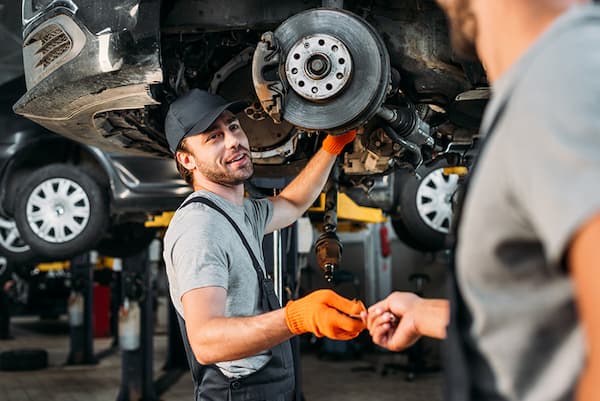
Your car’s previous service history is important. It shows when your car was last serviced. This history tells you what was fixed or replaced. Knowing this helps you understand what to check next.
Your car needs less work due to regular servicing. Your car needs more checks if it missed services. Keeping track of past services helps plan future ones. So, always look at your car’s service history.
Warning Signs To Observe
When it comes to observing warning signs in your car, there are several key points to keep in mind:
-
Strange Noises
Listen for unusual sounds like grinding, squeaking, or rattling. These noises indicate problems with brakes, belts, or other parts.
-
Warning Lights
Pay attention to any lights on the dashboard. A lit check engine light or brake warning light should not be ignored.
-
Leaks
Look out for any fluids leaking under your car. This could be oil, coolant, or brake fluid, all of which are vital for your car’s operation.
-
Odd smells
Notice any unusual smells coming from your car. A burning or sweet smell could point to serious issues.
-
Changes In Performance
When your car starts acting differently, like struggling to speed up or losing power, it’s a sign something is wrong.
-
Handling Changes
Be aware of any changes in how your car handles. This includes issues like steering difficulties or unusual vibrations.
FAQs
1. How Long Does A Service Last On A Car?
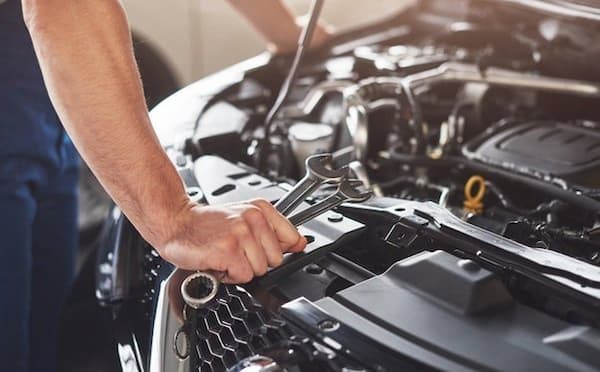
A car service usually lasts a few hours to a whole day. It depends on what kind of service it is and if any issues are found. Simple services are quicker, while major services take longer.
2. How Often Should I Change My Car?
You should consider changing your car every 5 to 7 years. But it depends on the car’s condition, how much you drive, and if your needs change. Some people keep their cars longer if they are still in good shape.
3. What Is The Best Time To Change Car?
The best time to change a car is when it starts needing costly repairs or doesn’t fit your needs anymore. Also, consider changing it before it loses too much value.
Many people change cars when new models come out or during sales to get a good deal.
Conclusion
The question ‘Is it necessary to service car every 6 months?’ holds significant importance for every car owner. Through this article, we’ve uncovered the undeniable benefits of regular servicing. Adhering to biannual servicing is essential for your car’s performance.
Investing a little time and effort in servicing your car every 6 months saves you from costly repairs and unexpected troubles. So, whether you drive a car occasionally or regularly, you should definitely service your car every 6 months.
To learn more about what tasks are involved in a typical car service, check out this car service includer guide.
