

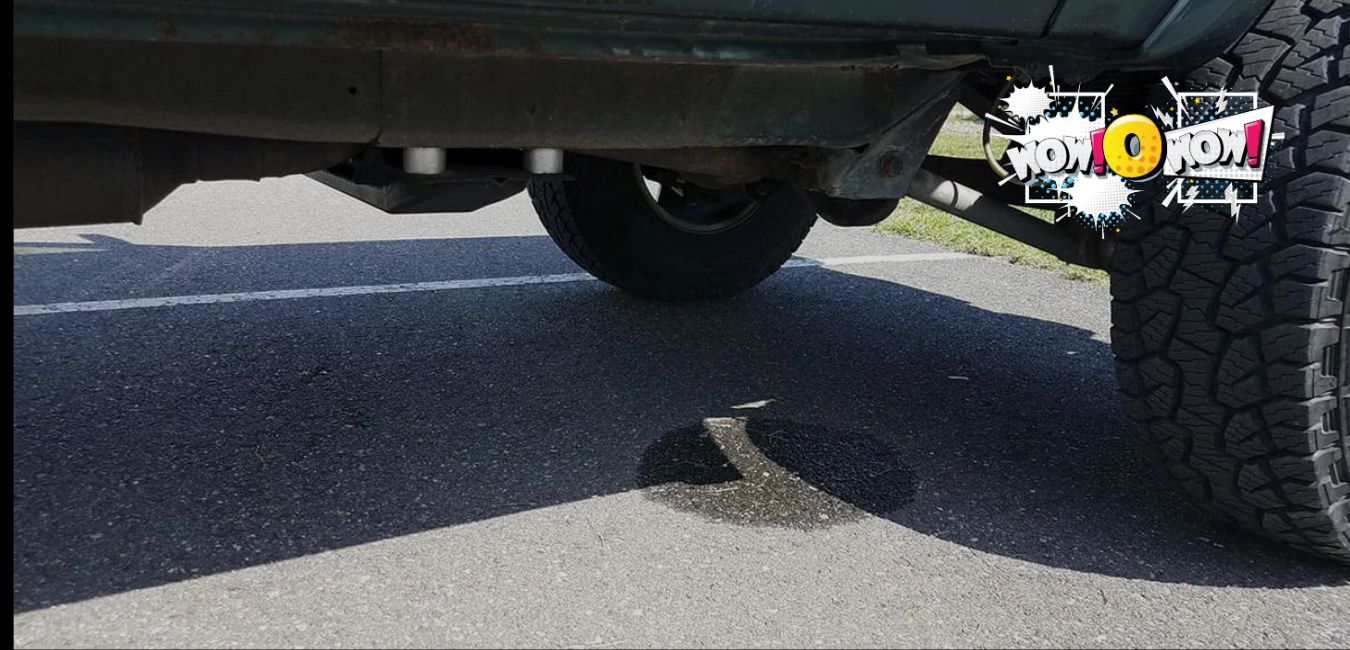
As a car owner, are you concerned about your car leaking water? Are you wondering if is it normal for a car to leak water?
Yes, it is normal for a car to leak water, particularly from the air conditioning system. This occurs when condensation forms and drips underneath the vehicle. It is usually noticeable after parking. It’s generally not a concern unless the leakage is excessive.
This article aims to inform you of the reasons why cars leak water and help you distinguish between harmless drips and warning signs of a problem. This guide will help you keep your vehicle in top condition and avoid potential long-term damage.
Table of Contents
Key Takeaway
- Normal Leakage: It’s common for cars to leak water from air conditioning, especially in hot weather.
- Check Location: Water under the car’s rear is usually normal; front leaks indicate a problem.
- Observe Consistency: Pure water is normal; colored or oily liquid suggests a more serious issue.
Common Causes
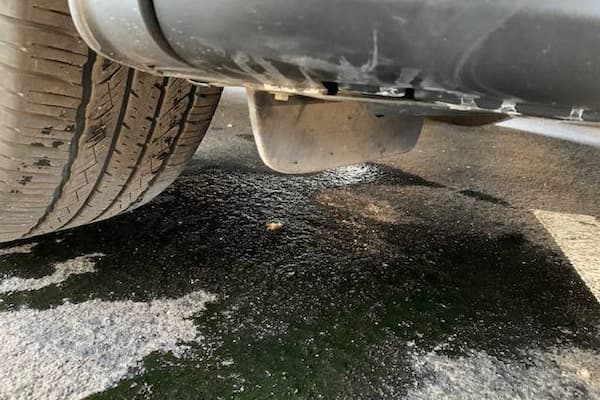
Water leaking from cars is a common issue with various causes. Let’s explore the 5 most common sources of water leaks in vehicles.
Air Conditioning Condensation
Your car’s air conditioner creates condensation when it runs. It is a normal byproduct of the cooling process. This is noticeable during hot days or when the AC is used heavily. The air conditioner removes moisture from the air inside the vehicle.
Then it condenses into water. This water drains out of the car through a hose and creates a puddle underneath. The presence of this water puddle is usually no cause for alarm. It’s a sign your air conditioner is functioning properly.
Engine Cooling System
Leaks in your car’s engine cooling system can appear as water, especially if the coolant is diluted. These leaks typically come from various components like the radiator, hoses, or water pump.
A leak in the cooling system can lead to engine overheating and should be addressed promptly. Unlike AC condensation, this type of leak often appears near the front of the car.
Check the coolant level and look for any visible leaks if you find a puddle under the engine area.
Windshield Washer Fluid
Sometimes, what appears to be a water leak is windshield washer fluid. This can happen if there’s a leak in the washer fluid reservoir or the connecting hoses.
Washer fluid leaks are usually identifiable by location, often seen near the wheels or front of the car. The fluid also has a slight coloration, different from pure water.
It is important to fix it to ensure your windshield is cleaned for safe driving. Regular checks of the washer fluid reservoir and hoses can prevent such leaks.
Exhaust System Factors
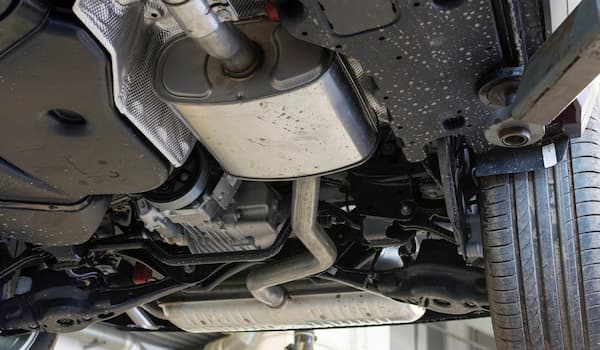
The exhaust system of a car also causes water to leak. It is often seen as steam or drips from the exhaust pipe. This is usually just condensation from the exhaust system. It is most common in colder weather.
As the engine heats up, this condensation evaporates. Seeing a small amount of water dripping from the exhaust pipe is typically normal and not a cause for concern.
However, excessive water or the presence of other symptoms, like a loud exhaust sound, indicate a problem with the exhaust system.
Weather-Related Causes
Lastly, weather conditions lead to the appearance of water leaks. In rainy or snowy conditions, water can accumulate in various parts of the car and then drip off, mimicking a leak.
Driving through puddles, splashing water onto the undercarriage, which drips off later. These situations are harmless and require no action other than perhaps a good undercarriage wash to remove any accumulated debris.
Identifying The Source
Determining the source of a water leak in your car is crucial to understanding the severity of the issue and the necessary steps for repair. Here are some effective strategies to pinpoint the origin of water leaks in your car.
Visual Inspection Tips
- Check Under the Car
Look for the exact spot where water is dripping. This can give you a clue about which part of the car the leak is coming from.
- Inspect Engine Bay
Open the hood and look for any signs of leaks, dampness, or corrosion around hoses and fittings.
- Look for Stains
Water stains or rust inside the car, under the mats, or on the carpet can indicate interior leaks.
- Examine Seals and Gaskets
Check the seals of doors, windows, and sunroofs for any damage or wear that could allow water entry.
- Review Past Repairs
Recall any recent repairs or accidents that have affected the car’s water tightness.
Color And Smell Clues
The color and smell of the leaking fluid are excellent indicators of its source. Water from the air conditioning unit will be clear and odorless.
- In contrast, coolant from the engine cooling system usually has a distinct color, like green, red, or yellow, and a sweet smell. It indicates a more serious issue.
- Washer fluid, often blue or green, can also have a slight detergent-like odor.
- Pay attention to any unusual smells, like a burning or chemical odor, which can hint at electrical issues or overheating components.
- Murky fluid or oily texture is a sign of a major leak in the engine or transmission system.
A thorough examination of fluid characteristics can provide valuable insights into the nature and urgency of the leak.
Location Of Puddles

The location of puddles under the car points to a coolant or oil leak, which requires immediate attention. Water found under the center of the vehicle is usually from the air conditioning drain and is typically harmless.
Puddles near the rear of the car are generally related to the exhaust system. Leaks near the corners of the car could be from the windshield washer fluid reservoir or tubes.
Additionally, water pooling inside the car, under the dashboard or mats, suggests a problem with the car’s weather stripping for door seals.
Leak Consistency Analysis
Evaluating the consistency of the leaking fluid is a critical step in diagnosing the problem. Water from air conditioning condensation will be clear and have the consistency of water.
On the other hand, coolant leaks will have a slimy feel and appear thicker than water. When the fluid feels oily, it is due to engine oil or transmission fluid, suggesting a more severe issue.
The presence of any debris or particles in the fluid indicates internal engine problems. Pay attention to the rate of the leak as well.
Potential Impacts
Understanding the potential impacts of a water leak in your car is crucial, as it ranges from harmless effects to serious, long-term damage. Let’s explore 5 consequences of a car leaking water:
Short-Term Effects
- Reduced Air Conditioning Efficiency
Leaks in the AC system lead to decreased cooling performance.
- Increased Engine Temperature
Coolant leaks result in higher engine temperatures and overheating.
- Diminished Washer Fluid Availability
Leaks in the washer fluid system lead to a shortage when needed for cleaning the windshield.
- Interior Water Damage
Water leaks inside the car damage upholstery, carpets, and electrical components.
- Foggy Windows
Excessive moisture inside the car causes windows to fog up, reducing visibility.
Long-Term Damage
- Engine Wear and Tear
Persistent coolant leaks lead to significant engine damage over time.
- Rust and Corrosion
Ongoing exposure to water causes rust and corrosion in various car parts.
- Mold and Mildew Growth
Continuous interior water leaks lead to mold and mildew, affecting air quality.
- Electrical System Failures
Prolonged exposure to water damages the car’s electrical systems and components. Again, it leads car making noise.
- Structural Integrity Compromise
Long-term leaks weaken the structural integrity of the car, especially in the undercarriage.
Safety Concerns
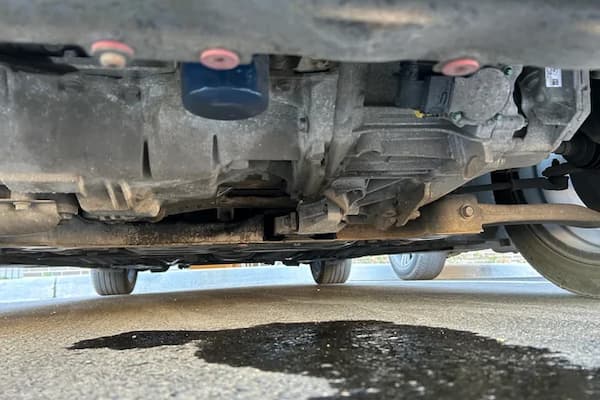
Water leaks in a car pose serious safety concerns. A leak in the brake system, though rare, leads to brake failure.
This is a critical safety hazard. Coolant leaks cause the engine to overheat, potentially leading to a breakdown in traffic and increasing the risk of accidents. Interior leaks cause electrical malfunctions.
For example, short circuits in the dashboard or lighting systems pose a risk while driving. Moreover, the buildup of mold and mildew leads to health issues for the occupants. This is more serious, especially for those with respiratory problems.
Environmental Impact
Ignoring water leaks has environmental repercussions. Coolant leaks contribute to pollution as these fluids are harmful to the environment. They contaminate water sources and pose risks to wildlife if the vehicle is frequently parked outdoors.
An overheating engine due to a coolant leak leads to increased fuel consumption. This not only affects air quality but also contributes to the vehicle’s carbon footprint.
Financial Implications
The financial implications of ignoring water leaks are significant. Minor leaks evolve into major repairs if not addressed, leading to high costs. For instance, a simple hose replacement turns into an expensive engine repair if a coolant leak is ignored.
Water damage to the interior or electrical systems is costly to fix. Increased fuel consumption due to an inefficient cooling system or engine strain also adds to operating costs.
Regular maintenance and timely repairs help avoid these financial burdens.
Preventive Measures
Preventive measures are key to avoiding the hassles and costs associated with car water leaks. Regular maintenance and vigilance help detect potential issues early, saving you from future complications.
Regular Maintenance
- Scheduled Service Visits
Adhere to your car’s recommended service schedule to catch and fix issues early.
- Cooling System Checks
Regularly inspect the radiator, hoses, and connections for signs of wear or leaks.
- AC System Maintenance
Ensure the air conditioning system is checked and serviced as part of routine maintenance.
- Undercarriage Inspections
Look for signs of rust or damage that lead to leaks, especially after winter or in humid climates.
- Seal and Gasket Monitoring
Regularly check the condition of seals and gaskets around windows, doors, and sunroofs.
Fluid Level Checks
Consistent monitoring of fluid levels is crucial in preventing leaks. Regularly check your engine coolant, oil, brake fluid, and windshield washer fluid levels. Any sudden drop in these levels could indicate a leak, and you should investigate it immediately.
Maintaining proper fluid levels ensures that systems like the cooling and braking work efficiently. It’s also a good practice to check for any unusual fluid under the car after it’s been parked overnight.
This habit helps in the early detection of leaks, allowing for timely intervention before the issue escalates.
Sealant And Hose Inspection
Regular inspection of all seals and hoses in your vehicle is a critical preventive step. With time, hoses become brittle, and seals wear down, leading to potential leaks. Pay special attention to radiator and heater hoses.
Similarly, check window and door seals for any gaps or deterioration because these allow water to seep into the interior. Using appropriate sealants or replacing worn hoses and seals as needed significantly reduces the risk of leaks.
This maintenance prevents leaks and enhances the overall efficiency and longevity of your vehicle.
Weather Preparedness
Being prepared for different weather conditions helps prevent leaks. In areas with heavy snowfall, make sure to clear snow from your car’s undercarriage and wheel wells regularly to prevent melting and refreezing, which causes rust and leaks.
In rainy climates, ensure that drain channels around the sunroof and windshield are clear of debris. Apply a protective coating or under seal to protect the undercarriage from rust and leaks.
These steps are especially important for older cars, which are more susceptible to weather-related wear and tear.
FAQs
1. Should I Be Worried If My Car Is Leaking Water?
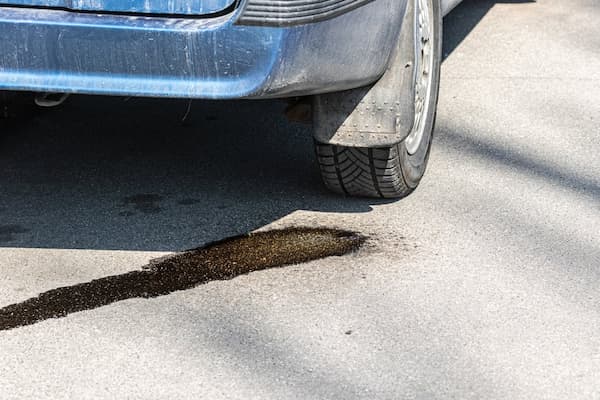
It depends on the source and amount of the leak. Small amounts of clear water from air conditioning are normal. But other leaks require attention.
2. How Much Water Leaking From Car Is Normal?
A small puddle of water leaking from a car is normal, particularly after using the air conditioning on a hot day. The amount varies but is usually not more than a few ounces. Also, you do not need to worry if the water is clear.
3. Why Is My Car Leaking Water At The Bottom?
Your car is leaking water at the bottom for a few reasons. One common reason is the air conditioner. This happens when the air conditioner removes moisture from inside the car. Another reason is condensation from the exhaust system.
Conclusion
Understanding and addressing water leaks in your car is crucial for maintaining its health and longevity. Some leaks are harmless, while others signal serious issues that require immediate attention.
Now that you’ve got the answer to the question, “Is it normal for a car to leak water?”, you take swift action to prevent minor issues from escalating into major problems.
Regular maintenance, vigilant fluid level checks, and weather preparedness are your best defenses against these leaks. Take care of small leaks to protect your vehicle and safeguard your safety and finances.
Stay proactive in your car care, and you’ll ensure a smoother, safer driving experience for years to come!
