

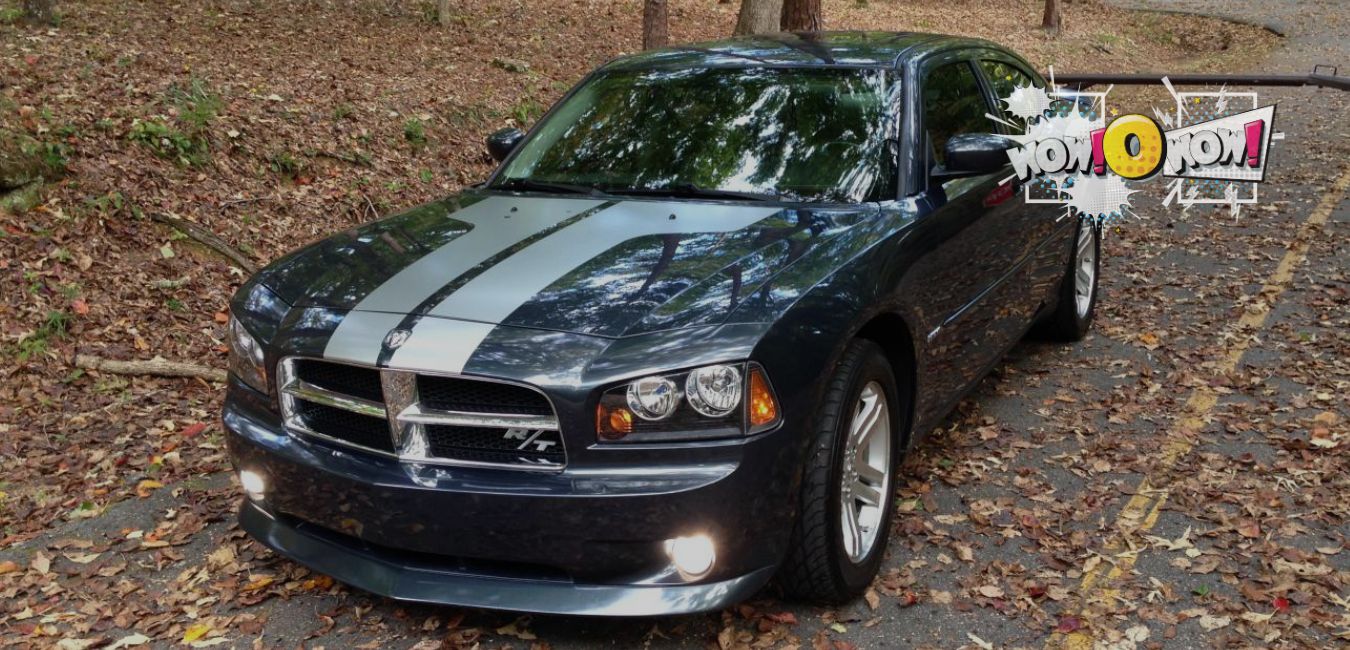
Have you ever noticed the ESP BAS light on your car’s dashboard and wondered, “What does ESP BAS mean on a car?” This warning light can be puzzling, especially if you’re unfamiliar with vehicle systems.
ESP BAS means Electronic Stability Program and Brake Assist System. When the ESP BAS light is on, it indicates a problem with these safety systems. They help maintain vehicle stability and assist in emergency braking. Have your vehicle checked by a professional to ensure safe operation.
Understanding the ESP BAS light is crucial for safe driving. Let’s explore what triggers this light and how to address it to ensure your vehicle remains safe on the road.
Table of Contents
Key Takeaways
- Vehicle Stability: ESP BAS ensures stability by correcting skids to keep the car steady.
- Enhanced Braking: The system boosts braking force in emergencies, providing faster and more controlled stops.
- Warning Light: An ESP BAS light signals a fault, requiring immediate attention for safe driving.
Understanding ESP BAS In A Car
The ESP BAS light in a car signals issues with two safety systems: the Electronic Stability Program (ESP) and the Brake Assist System (BAS). Here’s what each does and how they improve car safety.
Electronic Stability Program (ESP)
The Electronic Stability Program, or ESP, helps keep the car steady on the road. It senses when the car starts to skid or lose control, especially in slippery or sharp turns. ESP can automatically adjust the brakes on individual wheels to prevent the car from veering off its path. This system keeps drivers safe, especially on wet or icy roads.
Brake Assist System (BAS)

The brake assist system, or BAS, helps drivers stop faster in emergencies. When it suddenly senses the driver pressing the brake pedal, BAS boosts the braking power to shorten the stopping distance. This quick response can be crucial in preventing accidents, as it gives the car the extra braking force needed to stop quickly.
How They Work Together?
ESP and BAS work together to provide stability and control. While ESP focuses on stabilizing the car and preventing skids, BAS steps in during sudden stops to enhance braking power. They give drivers more control, especially in tough conditions. This helps avoid accidents by balancing stability and braking strength.
Benefits Of Car Safety
These systems bring major safety benefits. ESP helps keep the car on its path, reducing the risk of losing control. BAS shortens stopping time in emergencies, which can prevent crashes. Together, they increase safety by allowing the car to respond quickly and keep the driver in control.
Common Features In Modern Cars
Many modern cars come with ESP and BAS as standard features. They often include other safety systems, like anti-lock brakes and traction control. These features make cars safer. They help drivers avoid accidents, especially in bad weather or on sharp turns.
Reasons Why The ESP BAS Light Comes On
The ESP BAS light can turn on for several reasons. This light shows a problem with the Electronic Stability Program or the Brake Assist System. Here are 5 common reasons why the ESP BAS light comes on:
Faulty Wheel Sensors
Each wheel has a sensor that helps monitor its speed. If one of these sensors is faulty, it can send incorrect signals to the ESP BAS system. This error causes the system to think there is a problem and turn on the warning light. A faulty wheel sensor can happen due to wear and tear or damage from road debris.
Malfunctioning ABS System
The ABS (Anti-lock Braking System) works closely with the ESP BAS. If the ABS malfunctions, it can affect the entire system. Common issues include faulty ABS pumps, valves, or control modules. When the ABS fails, the ESP BAS light often turns on to warn the driver.
Steering Angle Sensor Issues
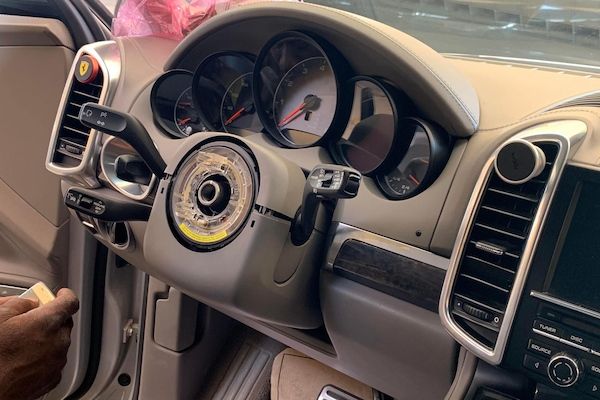
The steering angle sensor tracks the position of the steering wheel. If this sensor has a problem, the ESP BAS cannot work properly. A broken sensor can cause incorrect data, leading the system to activate the warning light. This issue often arises from accidents or wear over time.
Low Brake Fluid Levels
Brake fluid is essential for proper braking performance. A low brake fluid level can lead to braking issues. The ESP BAS system may turn on the light to warn you of this problem. Low brake fluid can result from leaks in the brake lines or worn brake pads.
Electrical System Problems
The ESP BAS relies on the car’s electrical system to function. Issues with the battery, fuses, or wiring may prevent the system from working correctly. Faulty electrical connections can cause the ESP BAS light to activate, which can lead to a complete failure of the stability and braking systems.
Troubleshooting ESP BAS Light
The ESP BAS light on your dashboard signals a problem with the Electronic Stability Program (ESP) or Brake Assist System (BAS). Here are simple steps to troubleshoot the ESP BAS light.
Restart Your Car
Sometimes, restarting your car clears minor glitches that trigger the ESP BAS light. Turn off the engine, wait a few moments, and start again. If the light goes off, it may have been a temporary issue. If it stays on, more steps are necessary.
Inspect Wheel Sensors
The wheel sensors track each wheel’s speed and send data to the car’s stability system. Dirt, debris, or damage to these sensors can cause the ESP BAS light to activate. Look at each wheel sensor for visible dirt or damage. If it’s dirty, clean it carefully. Replacing a broken sensor might solve the issue.
Check Brake Fluid Levels
Brake fluid plays a critical role in both braking and stability functions. Low brake fluid levels can trigger the ESP BAS light. Open the hood and locate the brake fluid reservoir. Check the fluid level; if it’s below the recommended level, add the correct brake fluid type for your car.
Use An OBD-II Scanner
An OBD-II scanner reads your car’s diagnostic codes. You can plug the scanner into the car’s diagnostic port, usually under the dashboard. It displays any error codes linked to the ESP BAS light. Use these codes to understand what part needs attention. This step gives you a better idea before taking further action.
Visiting A Mechanic For Repairs (If Needed)
If the light remains on after trying these steps, take your car to a certified mechanic. They have the tools and expertise to pinpoint and fix the exact issue. Sometimes, advanced repairs are needed to restore your car’s stability and brake assist systems fully.
Preventive Maintenance For ESP BAS
Preventive maintenance is essential to keep your car’s ESP BAS system working well. This system keeps your car stable on the road, especially in emergencies. Here’s what to do:
Regularly Check Brake Fluid
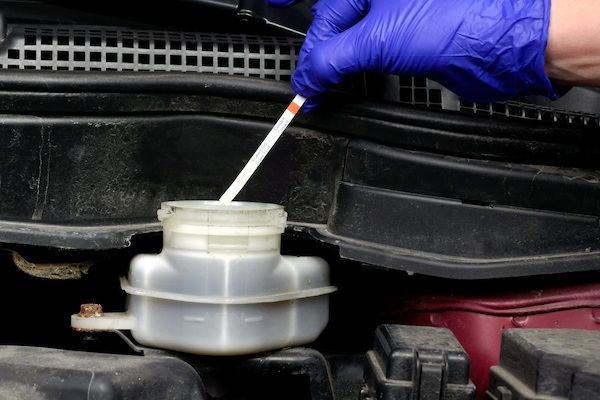
Brake fluid is crucial for the ESP BAS system. Low fluid levels or old, dirty fluid can impact the system’s performance. Check brake fluid regularly and top it off when needed. If the fluid looks dirty, replace it to maintain strong braking performance and ensure the system can help in emergencies.
Inspect Sensors And Connections
The ESP BAS system relies on sensors that monitor wheel speed, steering angle, and other factors. Over time, sensors can get dirty, or connections may loosen. Inspect these sensors and connections to make sure they’re clean and secure. A faulty sensor can cause the ESP BAS light to come on or impact system performance.
Perform Routine Brake Checks
Brakes are essential for the BAS (Brake Assist System) part of ESP BAS. When needed, worn brake pads, damaged rotors, or bad brake lines can limit the system’s extra braking power. Schedule routine brake checks to catch wear and tear early, ensuring the brakes perform well when needed.
Update Vehicle Software
Sometimes, the ESP BAS system needs software updates to fix bugs or improve performance. Car manufacturers release updates that can enhance system accuracy and reliability. During maintenance visits, ask the mechanic to check for any software updates. This keeps the ESP BAS system functioning smoothly with the latest improvements.
FAQs
1. Is It Safe To Drive With The ESP BAS Light On?
Driving with the ESP BAS light on is not recommended. This warning indicates a problem with your vehicle’s Electronic Stability Program and Brake Assist System, which are crucial for maintaining control and safe braking. It’s best to have your car inspected by a professional promptly.
2. Can Car Low Brake Fluid Cause The ESP BAS Light To Come On?
Yes, low brake fluid can cause the ESP BAS light to come on. The ESP (Electronic Stability Program) and BAS (Brake Assist System) rely on proper brake function, and low brake fluid may signal a potential braking issue, triggering the warning light to alert you to check the brake system.
3. Does The ESP BAS Light Indicate A Car Serious Problem?
The ESP BAS light doesn’t always indicate a serious issue but signals a problem with the Electronic Stability Program or Brake Assist System. It could be as simple as a sensor needing calibration or a minor fault, but if the light remains on, have it checked by a professional to ensure safe driving.
Conclusion
Understanding the ESP BAS light helps keep you safe. This light indicates a problem with your car’s stability or brake assist systems, which help your car maintain stability and come to a stop quickly when needed. If the light comes on, visit a mechanic to fix the issue. Attention to warning lights keeps your car running well and protects you on the road. Always take action when a warning light appears. Keeping your car in good shape ensures safety for you and others. Remember, a well-maintained car leads to worry-free driving.
