

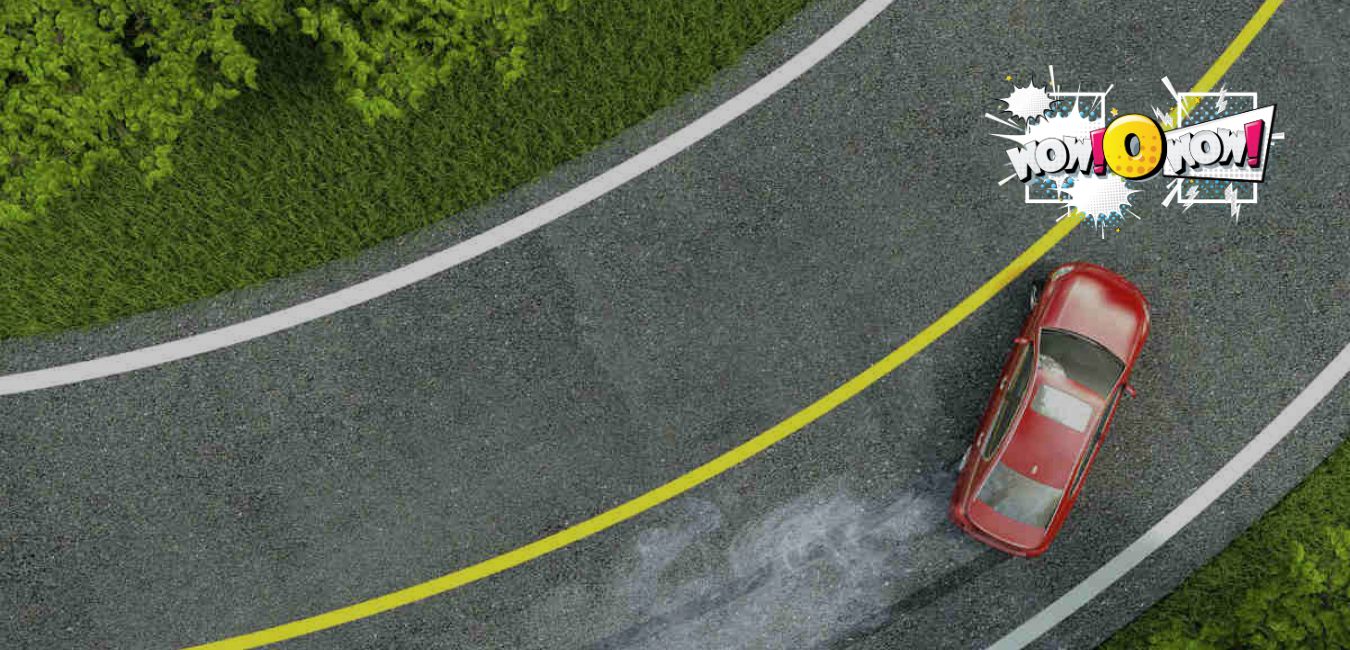
| First move | Stay calm, keep steering, and pump the brake pedal hard and fast |
| Slow the car | Shift to a low gear for engine braking, then ease the parking brake on gradually |
| Keep the engine on | Yes, so you keep power steering and steering control. Switching it off is a last resort only |
| The two deadly mistakes | Slamming the parking brake (spin) and turning the key to LOCK (locks the steering) |
| After you stop | Do not drive the car. Set the parking brake and call a tow |
| Prevent it | Service brakes on schedule and act on any soft pedal, grinding, or warning light |
Total brake failure is rare, but when it happens you have seconds to act, so the emergency steps come first on this page. Below them are the causes, the warning signs that almost always come first, and how to stop it happening at all. If you are reading this before an emergency, the most useful thing you can do is learn the two counterintuitive rules: keep the engine running, and never slam the parking brake.
The emergency technique below follows standard driver-safety guidance; steps that vary by vehicle, such as how an electronic parking brake behaves, should be confirmed in your owner’s manual. Repair costs vary by vehicle and shop.
Table of Contents
What to do if your brakes fail while driving
If your brakes fail while driving, pump the pedal, use the gears and the parking brake to slow down, and steer to a safe spot while keeping the engine on. Work through these steps in order, and do not panic, because panic is what turns a stop into a crash. This sequence follows state DMV emergency-driving guidance.
- Stay calm and keep both hands on the wheel. Keep steering and keep your eyes on the open space you want to reach, not on what you are trying to avoid.
- Pump the brake pedal hard and fast. Several quick, firm pumps can rebuild enough pressure to slow or stop the car if the fault is a fluid or hydraulic problem.
- Shift into a low gear. Move to low (L, or manual mode, or a low gear) so the engine slows the car for you. Do not shift to neutral, which removes that engine braking.
- Ease the parking brake on gradually. Apply it slowly and steadily, never all at once. If the rear wheels lock and the car starts to skid, release it a little and reapply.
- Keep the engine running. Leave it on so you keep power steering and full steering control. Turning it off is a last resort, covered below.
- Warn other drivers. Switch on the hazard lights and use the horn so traffic around you knows something is wrong.
- Steer to a safe, open place. Aim for a clear shoulder, an empty lot, or an uphill stretch, which helps slow the car. A soft shoulder or roadside brush is better to brush against than oncoming traffic or a solid object.
- Once stopped, do not drive on. Set the parking brake, keep the hazards on, and call for a tow. The fault is still there even if the pedal feels better.
How do you use engine braking and the parking brake?
Engine braking and the parking brake are your two ways to slow a car with no brakes, and together they can bring most cars to a stop. Engine braking means shifting to progressively lower gears so the engine holds the car back, which works on an automatic in low or manual mode as well as on a manual gearbox. The parking brake adds steady mechanical braking to the rear wheels on top of that.
The key with the parking brake is control. Apply it slowly and steadily rather than yanking it, because the parking brake acts only on the rear wheels and a sudden grab can lock them and spin the car. On a car with an electronic parking brake, pulling and holding the switch while moving usually triggers a controlled emergency stop rather than a hard lock, but behavior varies, so check your owner’s manual to know what yours does before you ever need it.
What should you not do if your brakes fail?
The two mistakes that turn brake failure deadly are slamming the parking brake and switching the engine off. Both feel instinctive and both make the car far harder to control, so knowing them in advance is part of the emergency plan.
- Do not slam the parking brake. A hard yank locks the rear wheels and can spin the car. Ease it on gradually instead.
- Do not shift into neutral. Neutral throws away your engine braking, which is one of your main tools for slowing down.
- Do not switch the engine off, except as a true last resort. Keep it running so you keep power steering and steering control. Only if the car will not stop and a crash is otherwise certain should you turn the ignition off, and never to the LOCK position, because that can lock the steering wheel.
- Do not aim for a hard obstacle. If you must scrub off speed against something, choose a soft shoulder, brush, or a guardrail at a shallow angle over a wall, a tree, or oncoming traffic.
Why do brakes fail?
Brakes fail when the hydraulic system loses pressure or the friction parts stop gripping, and most failures build from a problem that showed warning signs first. The common causes are below. Any one of them means the car should not be driven until a professional has fixed it.
| Cause | What happens |
|---|---|
| Brake-fluid leak or low fluid | The hydraulic system loses pressure and the pedal sinks toward the floor |
| Overheated brakes (brake fade) | Long or hard braking on a descent overheats the pads so they stop gripping |
| Failed master cylinder | Worn internal seals let pressure bleed off, giving a sinking or uneven pedal |
| Pads worn to metal | Friction material is gone, so the brakes grind and lose stopping power |
| Air in the brake lines | Air compresses where fluid cannot, giving a soft, spongy pedal |
Most of these start as a symptom you can catch. A sinking or spongy pedal is covered in our guide to a soft brake pedal, overheated brakes often give off the smell in our guide to a burning rubber smell, and how the hydraulics work in the first place is explained in how a car brake system works.
What are the warning signs before brakes fail?
Brakes almost always warn you before they fail completely, and catching these signs is what prevents the emergency above. Do not ignore any of them: a brake problem only gets worse, and the cost and the danger both climb the longer you wait.
- A soft, spongy, or sinking pedal that goes closer to the floor than usual.
- Grinding or a loud, repeated squeal when you brake.
- A brake warning light on the dashboard.
- A burning smell after braking, especially on a long descent.
- Pulling to one side or a vibrating pedal when you brake.
Each of these has its own fix. Grinding is covered in our guide to a grinding noise when braking, a squeal in why a car squeaks when braking, and a brake-related pull in why a car pulls to one side. If your car is an automatic and the pedal has already gone, see also what to do if the brakes fail in an automatic.
How do you prevent brake failure?
You prevent brake failure by servicing the brakes on schedule and acting on warning signs early, which makes a sudden failure rare. Brakes are a wear system, so maintenance is not optional on a car you trust at speed. The steps below keep the system healthy.
- Service the brakes on schedule and have the pads, rotors, and lines inspected at the interval in your owner’s manual.
- Change the brake fluid as the manufacturer specifies, since old fluid absorbs moisture and lowers its boiling point, which invites brake fade.
- Replace pads before they wear out, and never drive on brakes that grind.
- Downshift on long descents instead of riding the brakes, which prevents overheating.
- Check for open recalls. Enter your VIN at NHTSA’s recall tool to see whether your vehicle has an unrepaired brake-related recall.
- Act on any warning sign immediately, and have brake work done by a qualified shop, such as an ASE-certified technician.
Frequently asked questions
How do you stop a car if the brakes fail?
You stop a car with failed brakes by pumping the pedal to try to rebuild pressure, shifting into a low gear for engine braking, and easing the parking brake on gradually while steering to a safe spot. Keep the engine running so you keep steering, use your hazards, and once stopped, do not drive the car.
Should I turn off the engine if my brakes fail?
No, keep the engine running. Turning it off can disable the power steering and make the car much harder to steer. Leave the engine on and use engine braking and the parking brake to slow down. Only as an absolute last resort, with a crash otherwise certain, switch the ignition off, and never to the LOCK position.
Can I use the parking brake to stop if my brakes fail?
Yes, the parking brake can help stop the car, but apply it gradually. Slamming it on locks the rear wheels and can spin the car, so ease it on steadily alongside engine braking. On a car with an electronic parking brake, holding the switch while moving usually triggers a controlled emergency stop.
What causes sudden brake failure?
Sudden brake failure is usually caused by a brake-fluid leak, overheated and faded brakes on a long descent, a failed master cylinder, pads worn down to metal, or air in the brake lines. Most of these give warning signs first, such as a soft pedal or grinding, so getting those checked early prevents the failure.
Is it safe to drive after the brakes come back?
No, it is not safe to drive after a brake failure even if the pedal feels normal again. The underlying fault, a leak, overheating, or a failing part, is still there and can give out again without warning. Have the car towed and inspected by a professional before you drive it.
What to do now
If your brakes fail, the plan is fixed: stay calm, pump the pedal, shift to a low gear, ease the parking brake on gradually, keep the engine running for steering, warn other drivers, and steer to a safe, open spot. Once you stop, do not drive on: set the parking brake and call a tow.
Keep the engine running so you keep steering, never slam the parking brake, and never drive the car after a failure: have it towed. The best protection is catching the warning signs early, like a soft or spongy pedal, and acting on them fast. For more on keeping the car safe, see our brakes and steering guides and our complete automotive care hub.
