

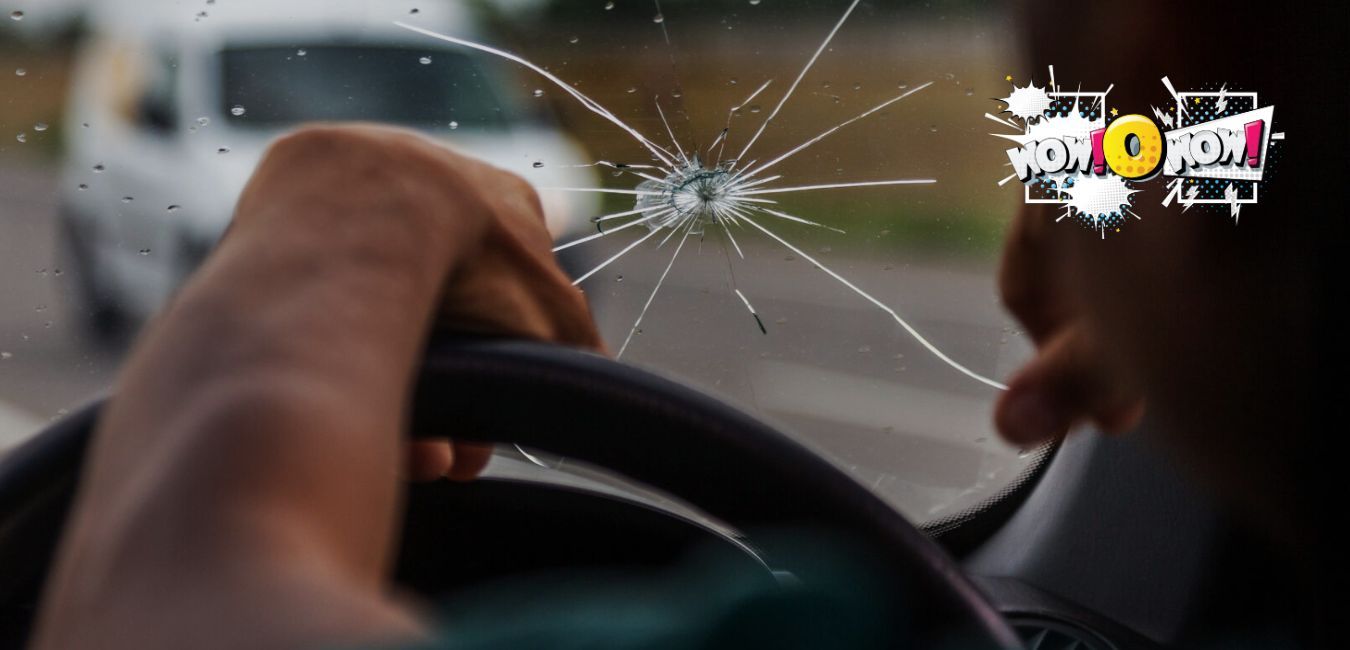
A cracked windshield might seem minor, but it can quickly become a safety hazard. A small chip or a long crack can impair visibility. It can also weaken your vehicle’s structure. So, driving with a damaged windshield is dangerous.
In Florida, unpredictable weather and busy roads raise accident risks. So, it’s vital to fix windshield damage before it worsens. Florida law has rules on driving with a cracked windshield. They are in addition to safety concerns. If you’ve been in an accident due to poor visibility or another driver’s negligence, consulting a Clermont car accident attorney can help you understand your legal options and protect your rights.
Table of Contents
How A Cracked Windshield Affects Your Safety?
A cracked windshield is more than a cosmetic issue. It can compromise your safety on the road. Below, we explore how a damaged windshield affects safety in three critical ways.
Reduced Structural Integrity
Your windshield does more than block wind and debris—it provides essential structural support to your vehicle. An intact windshield helps prevent the roof from collapsing in a rollover accident. It protects the passengers inside. However, a cracked windshield weakens this support, making it more likely to shatter on impact. This increases the risk of severe injuries in a collision.
Impaired Visibility
Cracks and chips can distort your view, especially under certain lighting and weather conditions. Sunlight reflecting off a crack may create glare, while rainwater can seep into the damaged area, further obscuring your vision.
At night, oncoming headlights can make cracks look worse. It can be hard to judge distances and react to sudden obstacles. A large crack directly in your line of sight is particularly dangerous, as it limits your ability to see pedestrians, road signs, or other vehicles.
Increased Risk In A Crash
Your windshield plays a vital role in the proper deployment of airbags. During a crash, the windshield helps absorb the impact force and provides a stable surface for the airbag to inflate against. If the windshield is already cracked, it may fail under pressure, causing the airbag to deploy incorrectly. This can leave passengers more vulnerable to serious injuries in an accident.
Is It Legal To Drive With A Cracked Windshield?
The legality of driving with a cracked windshield depends on where you are. Most laws focus on the size, location, and severity of the crack. They use this to determine if the vehicle is road-safe. Many states ban cracks that block the driver’s view. They can reduce visibility and raise accident risks. Some laws set a max crack length, usually six inches.
Windshields must be repaired or replaced if cracks exceed this. In Florida, drivers may qualify for free windshield replacement. It’s due to the state’s zero-deductible glass repair law.
Ignoring windshield damage can lead to fines or penalties, particularly if law enforcement deems your vehicle unsafe. Driving with a severely cracked windshield could get you a fix-it ticket. You’ll need to prove it’s repaired to avoid further penalties. It’s best to address windshield damage immediately to stay compliant and safe.
When Should You Repair Or Replace A Cracked Windshield?
To repair or replace a cracked windshield, consider the damage’s size, location, and severity. Here’s how to determine whether a repair or replacement is the best option.
Small Cracks And Chips – Can They Be Repaired?
Not all windshield damage requires a full replacement. Small chips, typically smaller than a quarter, can often be repaired using a special resin that restores the glass’s integrity.
Windshield repair quickly and cheaply stops damage from spreading. Many insurance policies cover chip repairs at no cost. So, fixing small cracks before they become a bigger problem is best.
When Replacement Is Necessary?
While small chips can be repaired, larger cracks—especially those over six inches—usually require a full windshield replacement. Large cracks weaken the windshield. They make it more likely to shatter in an accident.
Replacement is the safest option if the crack is in the driver’s direct line of sight. A repair may leave minor distortions in the glass. They can affect visibility. Multiple cracks weaken the windshield. This reduces its ability to withstand impact. So, replacement is necessary to keep the vehicle safe.
How To Prevent Windshield Cracks From Getting Worse?
Windshield cracks can expand rapidly if you don’t take steps to manage them. Avoiding extreme temperature changes is crucial, as rapid heating or cooling stresses the glass. Whenever possible, park in a shaded area or garage. Avoid blasting cold air on a hot windshield. Also, avoid slamming car doors—the shock and vibration can cause existing cracks to spread.
Using a windshield repair kit can prevent very minor chips from growing into larger cracks. If the damage is spreading or blocking your view, fix it immediately. Timely intervention keeps you safer on the road. It can save you the cost of a full windshield replacement.
FAQs
1. Is It Illegal To Drive With A Cracked Windshield?
It depends on where you’re driving. Some states allow small cracks, but you could get fined if the damage blocks your view or makes your car unsafe. Laws vary, but driving with a big crack is risky and might even fail inspection. Fix it ASAP to avoid tickets and stay safe on the road!
2. How Do I Know If My Windshield Crack Needs Repair Or Replacement?
A quick repair might work if your windshield crack is smaller than a quarter and not in your line of sight. But if it’s longer than six inches, spreading or blocking your view, it’s time for a replacement. Don’t wait—small cracks grow fast! Fix it early to stay safe and avoid higher costs.
3. Can A Small Windshield Crack Spread Over Time?
Yes, a small windshield crack can spread over time. Temperature changes, road vibrations, and slamming your car door can make the crack grow. A tiny chip can quickly become a bigger problem. It can affect visibility and safety, so fixing it early saves money and prevents a full replacement.
Conclusion
A cracked windshield isn’t just an eyesore—it’s a safety risk that can compromise your visibility and your car’s structural integrity. While small chips can often be repaired, larger cracks may require a full replacement to ensure your safety on the road.
Quick action can prevent minor cracks from worsening. So, fix them yourself or hire a pro. To stay safe, address windshield damage early and avoid risky driving conditions. When in doubt, seek expert advice to protect yourself and others.
