

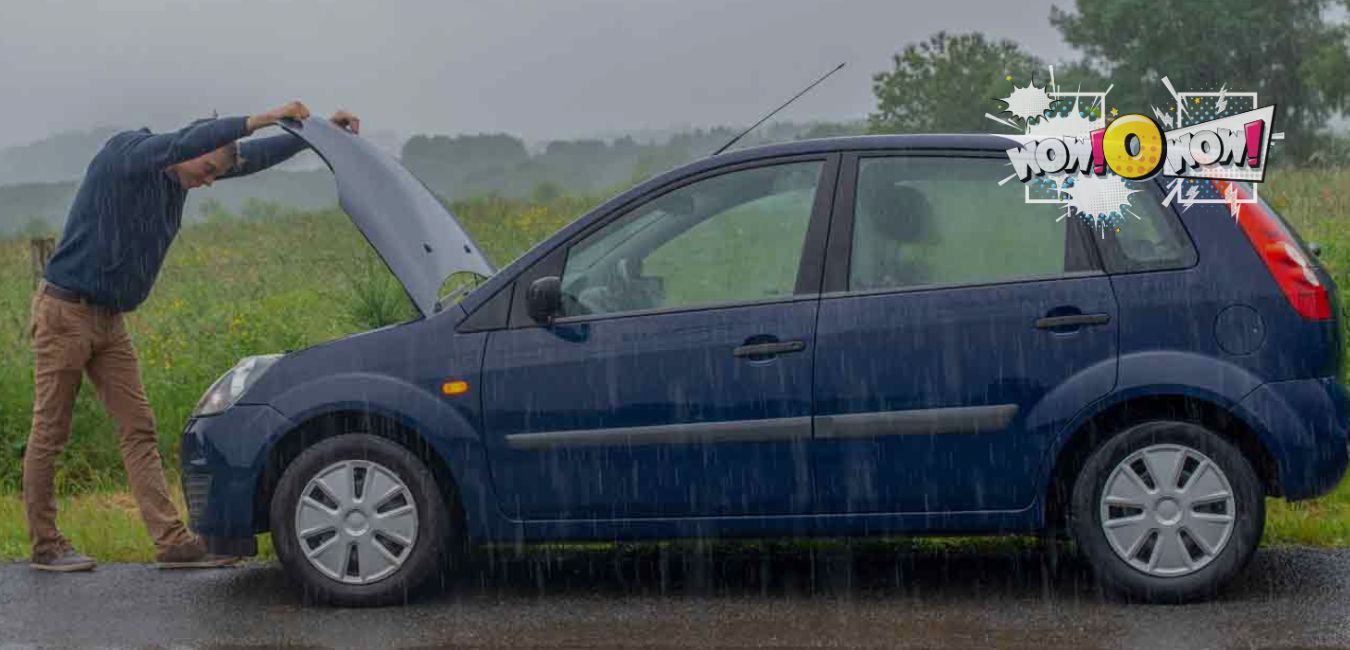
Jump-starting a car in the rain can sound tricky. But sometimes it can be mandatory to do that. So, can you jump a car in the rain?
Yes, you can jump a car in the rain, but take precautions to ensure safety. Make sure both vehicles are off before connecting cables. Avoid direct contact with metal surfaces and ensure all connections are secure. Once connected, start the donor vehicle, then the car with the dead battery.
Let’s find out how you can get back on the road quickly and safely, even when it’s pouring outside. Remember, knowing the correct steps ensures you and your car stay safe. Ready to learn how to jump-start your car in the rain? Let’s dive in!
Table of Contents
Key Takeaways
- Safety Precautions: Ensure both cars are off and positioned away from puddles before attaching jumper cables in the rain.
- Proper Cable Handling: Attach cables correctly—positive to positive and negative to ground—to avoid short circuits.
- Monitor Conditions: Once connected, start the donor vehicle, then the car with the dead battery; keep an eye on weather changes.
Risks Involved In Jump-Starting A Car In The Rain
While feasible, jump-starting a car in the rain has inherent risks that must be carefully considered.
Electrical Hazards
When water and electricity mix, the risk of electric shock increases. Connecting jumper cables in wet conditions can be dangerous if water contacts the battery terminals or cables. It’s crucial to ensure that everything is dry and clear of puddles during this process to prevent sparks or electric shocks.
Water Damage To Components
Rainwater can seep into the engine compartment, damaging the electrical parts and leading to costly repairs. Water can also cause short circuits and corrosion in the battery and other electrical parts. To minimize this risk, try to shield the engine and battery from direct rain as much as possible while jump-starting.
Slippery Working Conditions
Rain makes surfaces slippery, posing a fall risk while handling jumper cables and other equipment. It’s essential to wear shoes with non-slip soles and be extra cautious when moving around both vehicles. Ensure the area around the cars is free from oil or mud, which can become especially slippery when wet.
Precautions To Take
Jump-starting a car in the rain requires careful precautions to ensure safety and avoid hazards. Here are the key steps to follow:
Turn Off Ignitions
Before you begin, it is crucial to turn off the ignitions of both cars involved in the jump-start process. This action stops any electrical current in the vehicles. Turning off the cars minimizes the risk of shocks or sparks, protects their electronics, and prevents damage when connecting the jumper cables, much like understanding the role of a distributor in a car is essential for maintaining its ignition system.
Insulate Jumper Cables
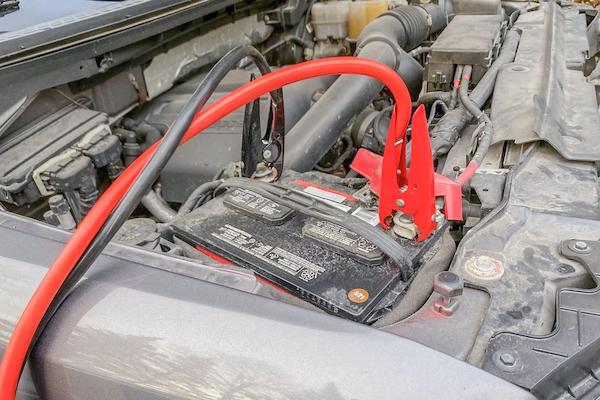
Inspect your jumper cables for any signs of wear or exposed wires. Good insulation on the cables is vital, as it prevents the escape of electricity, which can be especially hazardous in wet conditions.
When the insulation is damaged, replace the cables. As a temporary fix, use electrical tape to cover any exposed areas. Always handle the cables by the insulated parts and ensure they do not dangle into puddles or wet ground.
Avoid Contact With Water
Water conducts electricity, greatly raising the risk of shock when jump-starting a car in the rain. To mitigate this risk, avoid direct contact between the cables, clamps, and water.
Set up the cars in a way that keeps both the batteries and jumper cables as dry as possible. When it’s raining heavily, wait for a break in the rain or move the cars to a covered area if available. Stand on dry ground when connecting or disconnecting the cables. Keep your hands dry to avoid slipping or touching metal parts.
Best Practices
Following best practices can significantly enhance safety and efficiency when jump-starting a car in the rain. Here’s what you should do:
Seek Shelter If Possible
When rain is present and you need to jump-start a car, try to find a sheltered area. A covered parking spot or garage can protect both the vehicles and the individuals involved from the elements. It makes the process safer by reducing the risk of water contacting electrical parts. It also makes the task more comfortable and manageable.
Use Waterproof Jumper Cables
Investing in waterproof jumper cables is wise for those living in areas with frequent rainy conditions. These cables have better insulation and water-resistant materials. Waterproof cables prevent moisture from damaging the electrical connections. They also add an extra layer of safety, ensuring that the jump-starting process is as secure as possible.
Ensure Secure Connections
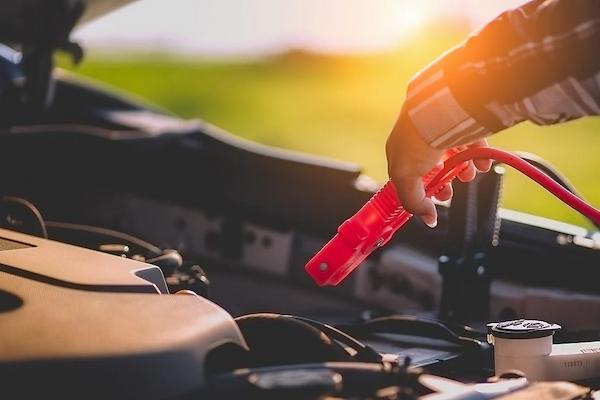
To jump-start a vehicle safely, you must connect the jumper cables correctly. Attach the positive (red) clamp to the dead battery’s positive terminal and the good battery’s positive terminal.
Then, attach the negative (black) clamp to the good battery’s negative terminal. Next, attach it to a grounded metal part of the car with the dead battery, not to the battery’s negative terminal.
Make sure each clamp has a firm grip and is not loose. A secure connection ensures efficient electricity flow. It reduces the risk of sparks, which are dangerous in damp conditions.
Alternatives In Rain
When faced with the need to jump-start a car during rainfall, consider safer alternatives to avoid the risks associated with water and electricity:
Wait For Rain To Subside
One of the simplest and safest approaches is to wait until the rain stops. This eliminates water-related hazards, such as electrical shorts and slipping. Waiting can also make the process less stressful and more comfortable, allowing you to see better and manage the connections.
Use Portable Canopies Or Umbrellas
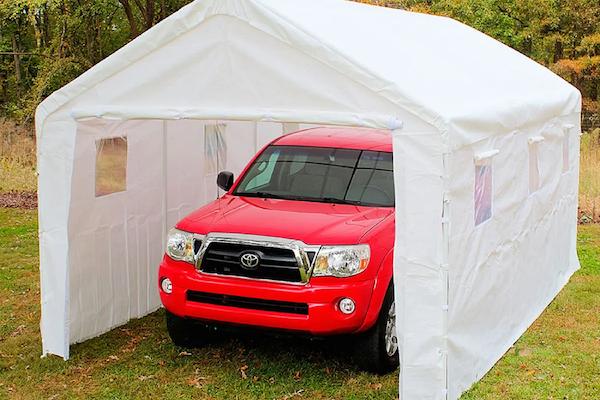
Using a portable canopy or large umbrellas can provide enough cover to jump-start the car safely if waiting is not an option. This setup helps keep the area around the car dry, protecting you and the vehicle’s electrical components from water. Ensure the canopy is stable and secure so it can withstand the rain without collapsing or blowing away.
Call For Professional Assistance
In situations where the rain is too heavy or if you’re unsure about handling the jumper cables correctly, it’s wise to call for professional assistance. Roadside assistance services are equipped to handle such conditions safely. They have the proper tools and expertise to jump-start your car without risking damage or injury.
FAQs
1. What Are The Alternatives To Jump-Starting A Car In The Rain?
Alternatives to jump-starting a car in the rain include using a portable jump starter, which is safe and effective regardless of weather. Another option is to call for professional roadside assistance, ensuring a safe and correct jump-start without risks of electrical hazards or water damage.
2. What Are The Risks Of Jump-Starting A Car In Rainy Conditions?
Jump-starting a car in rainy conditions involves risks such as electrical shock from wet conditions, short circuits due to water interacting with electrical components, and accelerated corrosion at battery terminals. These factors can damage the vehicle’s electrical system and pose safety hazards.
3. Can Visibility Issues Pose Additional Challenges During A Rainy Jump-Start?
Visibility issues can indeed pose additional challenges during a rainy jump-start. Limited visibility increases safety risks, making it difficult to properly connect jumper cables and position vehicles safely. It also complicates interactions with passing traffic, enhancing the risk of accidents.
Conclusion
Jump-starting a car in the rain can be risky due to the combination of electricity and water. You can manage these challenges by taking precautions, using covers, or getting professional help.
Always prioritize safety and consider waiting out the rain or using services designed for such conditions. These measures ensure that you and your vehicle remain safe during the process.
