

| Typical time | About 15 to 45 minutes |
| At a shop (work time) | Roughly 15 to 30 minutes with a lift |
| At home with a jack | About 30 to 60 minutes |
| Bundled with other services | An hour or more |
| Typical cost | Often free with a tire purchase, otherwise low; varies by shop |
| Worth the time? | Yes, it evens wear and extends tire life |
Most drivers want two numbers: how long the job takes and how long they will actually be at the shop. Those are not the same thing, and the gap between them is where most of the confusion comes from. This guide gives the real work time, the real appointment time, and what pushes either one longer.
Times and costs below are typical ranges that vary by shop, vehicle, and whether services are bundled. Rotation is often free with a tire purchase; confirm the price and any manufacturer rotation pattern for your vehicle.
Table of Contents
What affects how long it takes?
The time a tire rotation takes depends mainly on how the car is lifted, whether other work is bundled in, and the kind of tires you have. A straightforward rotation on a shop lift is quick, while a driveway rotation with a single jack is slower because you can only raise one corner at a time. Add a balance or an oil change, or fight a set of seized lug nuts, and the clock runs longer.
| Factor | Effect on time |
|---|---|
| Shop lift vs a floor jack | A lift raises the whole car at once; a jack means one corner at a time, adding time |
| Bundled services | A balance, alignment check, or oil change adds anywhere from minutes to a half-hour or more |
| Tire type | Directional or staggered tires limit the pattern and can add steps |
| Seized or over-torqued lug nuts | Stubborn lug nuts can add real time, especially DIY |
| Appointment wait vs work time | A busy shop can turn a 20-minute job into an hour-long visit |
Caution: if you rotate tires at home, always support the car on jack stands, never on the jack alone, and chock the wheels still on the ground. A car held only by a jack can slip off and kill someone. Torque the lug nuts to the manufacturer’s specification afterward, which is in your owner’s manual.
The single most useful thing to understand here is the difference between work time and appointment time. The physical job of moving four wheels is often only 15 to 20 minutes, but your appointment can run an hour because the shop is working several cars, or because a rotation is tacked onto a balance and an inspection. When a shop quotes “about an hour,” they usually mean your visit, not the wrench time.
DIY versus shop: how long each takes
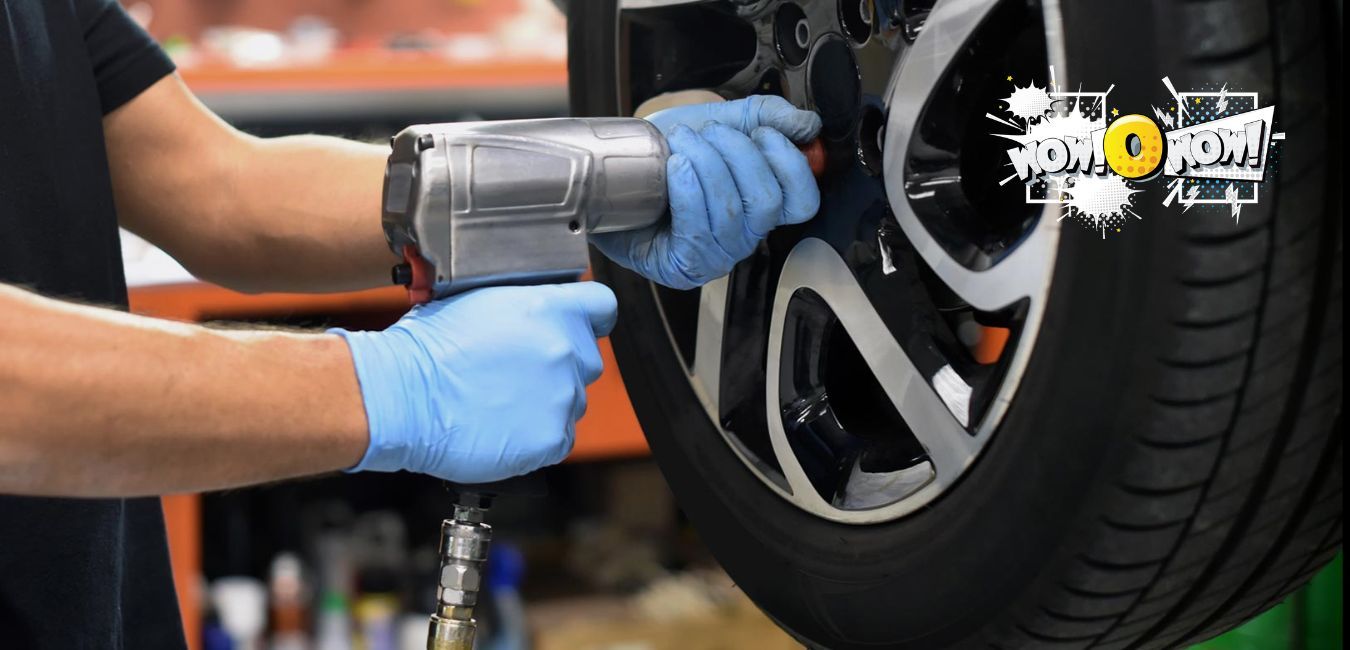
A shop rotation takes less time than a home one, mostly because of the lift. On a hoist, a technician raises the whole car, pulls all four wheels, moves them to their new positions, and torques them back down, often in 15 to 30 minutes. At home with a single jack and stands, the same job usually runs 30 to 60 minutes because you raise one corner at a time and torque each wheel by hand.
| Method | Typical time | What you need |
|---|---|---|
| Shop with a hoist | 15 to 30 minutes (work time) | Nothing; the appointment may run longer |
| Home with one jack | 30 to 60 minutes | Jack, jack stands, wheel chocks, breaker bar, torque wrench |
| Home with ramps or two jacks | Faster than one jack | The above, plus ramps or a second jack |
The DIY time is longer for a reason worth knowing before you start: you lift and lower the car several times, and you should torque every lug nut to the correct specification with a torque wrench rather than guessing with a breaker bar. That final torque step is not optional, because under- or over-tightened lug nuts are a safety problem. For the tire pressure to set once everything is back on the ground, see our guide to correct tire pressure for your car.
Do directional or staggered tires take longer?
Directional and staggered tires can take longer to rotate, because they limit how the tires are allowed to move. Directional tires are built to roll one way, so they must stay on the same side of the car and can only move front-to-back, not across. Staggered setups, where the front and rear tires are different sizes, often cannot be cross-rotated at all, and in some cases the only way to swap sides is to dismount the tires from the wheels and remount them, which adds real time.
According to NHTSA, some vehicles should not have their tires rotated at all, and cars with different-sized front and rear tires may not be able to follow a standard rotation. So the first step with performance or staggered tires is to check the owner’s manual for the allowed pattern, a point NHTSA’s tire maintenance checklist also stresses for rotation intervals and patterns. Our guide to different tires on your car explains why size and direction matter for how a set can be rotated.
How much does a rotation cost, and is it worth the time?
A tire rotation is often free with a tire purchase and otherwise inexpensive, so the modest time it takes is well worth it. Many tire shops include free rotations for the life of the tires when you buy from them, and standalone rotations are usually a low-cost service. Prices vary by shop and region, so treat any figure as a local quote rather than a fixed number.
The value is in what rotation does for tire life. Moving the tires evens out how they wear, since front and rear tires wear at different rates, and NHTSA notes that rotation helps tires last longer and maintain fuel efficiency. The U.S. Department of Energy’s fueleconomy.gov similarly lists proper tire maintenance among the low-cost steps that keep a car running efficiently. Getting the full tread life out of a set of tires easily outweighs a 20-minute job you often get for free. The most efficient approach is to bundle it: rotating your tires during an oil change adds only a little time and saves a separate trip. NHTSA suggests rotating every 5,000 to 8,000 miles, or sooner if uneven wear appears, which for many drivers lines up neatly with oil-change intervals. For what happens if you skip it, see our guide to not rotating your tires, and for the timing, how often to rotate your tires.
Frequently asked questions
How long does a tire rotation take at a shop?
A tire rotation takes about 15 to 30 minutes of actual work at a shop with a lift. Your appointment may run longer if the shop is busy or bundles the rotation with a balance, an inspection, or an oil change. The wrench time and the total visit time are two different things.
How long does it take to rotate tires at home?
Rotating tires at home usually takes about 30 to 60 minutes with a single jack and stands, because you lift one corner at a time and torque each wheel by hand. A second jack or a set of ramps speeds it up. Always use jack stands, never work under a car on the jack alone.
Can I rotate tires during an oil change?
Yes, and it is an efficient way to do it, because the car is already in for service, so bundling the rotation adds only a little time and saves a separate trip. Many shops offer both together, and the rotation is often cheap or free with the visit.
Is it worth paying for a tire rotation?
Yes, a tire rotation is usually worth it, because it is often free with a tire purchase or inexpensive, and evening out tire wear extends the life of the whole set. That saving, plus better grip from even tread, outweighs the modest time and cost of the service.
Why did my rotation take an hour when the job is 20 minutes?
The physical work of rotating four tires is often only 15 to 20 minutes, but your appointment reflects the shop’s queue and any bundled services. A busy shop juggling several cars, or adding a balance and inspection, can turn a short job into an hour-long visit. That is normal.
What to do now
Budget about 15 to 45 minutes for a tire rotation: roughly 15 to 30 minutes of work at a shop, 30 to 60 minutes at home with a jack, and up to an hour or more if it is bundled with other services or the shop is busy. The job itself is quick and often free with your tires, and it pays for itself in longer tire life, so the easiest move is to pair it with your next oil change. For everything else tire-related in one place, see our complete car tire guide, and for more help our car care and troubleshooting hub.
