

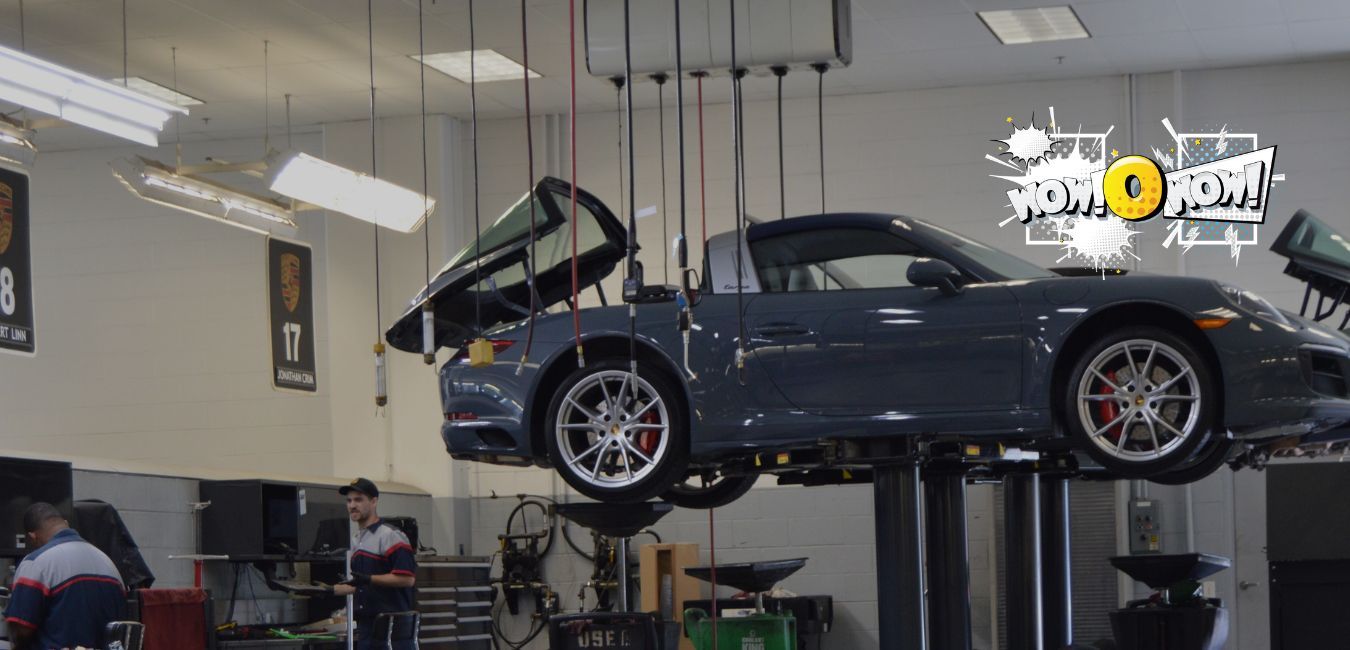
| Why it costs more | Large oil volume, approved synthetic, premium filter, specialist labor |
| Biggest driver | Oil volume, roughly double a typical car’s |
| The oil | Full synthetic to a specific Porsche-approved spec |
| Labor | Higher specialist or dealer rates; varies by shop |
| Typical cost | Well above a standard change; varies by model, get a quote |
| Can you cut it? | Where you go affects labor, not the oil and filter |
This guide breaks a Porsche oil change into its real cost drivers so you can see where the money goes: the large oil volume, the approved full-synthetic oil, the premium filter, and specialist labor. It also covers whether the same reasons apply to other performance and luxury cars.
Every figure here is a general range, not a quote. Oil capacity, the approved oil spec, and prices vary by model, year, and region, so confirm your capacity and spec in the owner’s manual and get a local quote.
Table of Contents
What makes up the cost?
A Porsche oil change is not one inflated charge but a stack of legitimate costs. A standard oil change runs about $20 to $100, as AAA notes, while a Porsche’s climbs well past that. The difference comes from four things: far more oil, all full synthetic to an approved spec, a premium filter, and higher specialist labor. The table below shows which drives the most.
| Cost component | Why it adds up | Share of the bill |
|---|---|---|
| More oil | The engine holds roughly double a typical car’s oil | The biggest single driver |
| Full-synthetic approved oil | A specific high-performance spec costs more per quart | Large |
| OEM oil filter | A premium filter built to the spec | Small to moderate |
| Specialist or dealer labor | Higher hourly rates, and longer access on some models | Moderate to large, varies |
| Included inspection | A multi-point check is often bundled in | Small, when included |
This same component-by-component logic explains why car batteries are so expensive and other car costs that look steep until you see the parts.
The oil volume factor: the biggest driver
Oil volume is the single biggest reason. Performance engines hold far more oil than a typical car, often around 8 to 9 quarts on many Porsche models against roughly 4 to 5 in an average sedan, and a few use a dry-sump system that holds even more. Every change therefore uses roughly double the oil, all of it full synthetic, so that volume alone accounts for much of the price gap before any labor is added.
The exact capacity is model-specific, so check the owner’s manual for yours.
The oil spec and filter
Porsche specifies particular approved synthetic oils engineered for its high-performance engines, and those cost more per quart than generic synthetic. The OEM filter is a premium part built to match. Using the correct approved oil is not optional, since the engines are designed around it and the wrong oil can affect performance and any warranty.
Caution: use the manufacturer-approved oil specification and confirm it in the owner’s manual, since a cheaper generic oil is not a like-for-like swap. Using the recommended grade also protects efficiency, as the U.S. Department of Energy notes. For the wider difference between oil types, see synthetic versus conventional oil.
Labor, access, and where you go
Labor is the part that varies most. Specialist and dealer hourly rates are higher than a general shop’s, and some models take longer to service because of tight engine access. Qualified independent specialists can charge less than a dealer, but the oil and filter costs stay the same either way, so where you go affects the labor, not the materials.
Whoever does the work, use a technician qualified to fit the approved oil and filter, such as an ASE-certified technician. For how service time factors into the bill, see how long an oil change takes.
Does this apply to other performance and luxury cars?
Yes, the same drivers apply well beyond one brand. Many performance and luxury cars share the same cost stack: a large synthetic oil capacity, a manufacturer-approved oil spec, premium filters, and specialist labor. A high-performance German sedan or an exotic runs into the same reasons a Porsche does, so the pattern generalizes rather than being a single-badge quirk. As a rule, the bigger and more specialized the engine, the more its oil change tends to cost.
Frequently asked questions
Why does a Porsche oil change cost so much more than a regular car?
A Porsche oil change costs more mainly because the engine holds roughly twice the oil of a typical car, all full synthetic to a specific approved spec, plus a premium filter and higher specialist labor. The oil volume and materials drive most of the difference, not a simple luxury markup.
How much oil does a Porsche take?
Many Porsche engines hold significantly more oil than an average car, often around 8 to 9 quarts depending on the model, against roughly 4 to 5 quarts in a typical sedan. That larger capacity is a major reason the change costs more. Check the owner’s manual for your model’s exact figure.
Can I use regular synthetic oil in a Porsche?
You should use an oil that meets Porsche’s approved specification, not just any synthetic, because the engines are built around particular oil requirements. The wrong oil can affect performance and may impact the warranty, so confirm the approved spec in the owner’s manual before topping up or changing it.
Is a dealer oil change worth it for a Porsche?
A dealer offers brand-specific expertise and service records, while qualified independent specialists often cost less. Both should use the correct approved oil and filter, so the materials cost stays similar and labor is where prices differ. It comes down to your preference for records and expertise versus a lower labor rate.
What to do now
A Porsche oil change is expensive because of a stack of real costs, not a badge tax: mostly the large oil volume, the approved full-synthetic oil, a premium filter, and specialist labor. Use the correct manufacturer-approved oil, confirm your capacity and spec in the owner’s manual, and get a quote for your model, since prices vary by year and region. For intervals and everything oil, see our complete oil and engine oil guide, or browse more automotive guides.
