

| What it stands for | Supplemental Restraint System: the airbags and seatbelt pretensioners |
| What the light means | A fault in the airbag system; part of it may be disabled |
| Safe to drive? | Drives and brakes fine, but your airbags may not protect you in a crash. Diagnose soon |
| Common causes | Clock spring, seat or seatbelt sensor, crash sensor, under-seat connector, low voltage |
| Easy one to check | A loose connector under a seat, often knocked after sliding or cleaning seats |
| Repair | A professional job. Never a DIY fix, and do not just clear the light |
SRS is one of the few dashboard warnings where the stakes are invisible until it is too late, because the system it names only ever acts in a crash. The car feels completely normal with the light on, which is exactly why it gets ignored. This page explains what SRS is, what the light is really telling you, what commonly causes it, and why it is a get-it-checked warning rather than a cosmetic one. For every other symbol and acronym, see our complete dashboard lights and car terms guide.
SRS components and fault causes vary by make and model, and airbag work is safety-critical. Have the system diagnosed and repaired by a professional, and check your owner’s manual for your vehicle.
Table of Contents
What SRS stands for and what it does
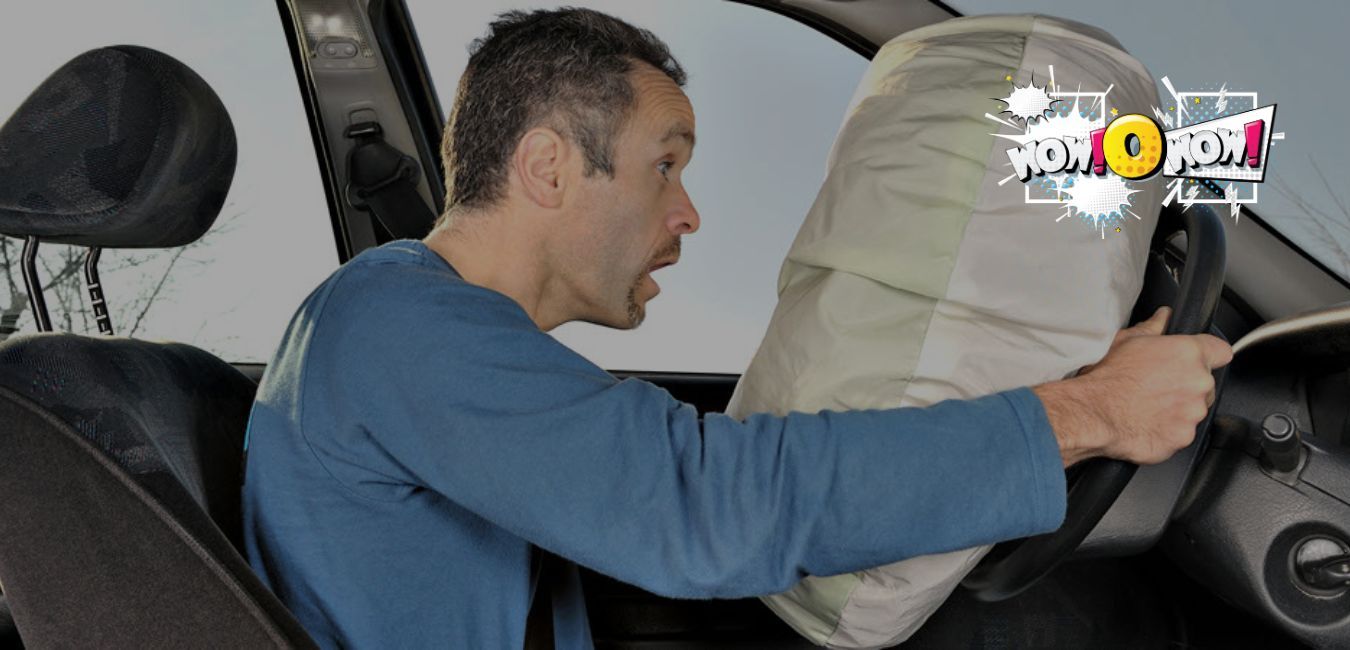
SRS stands for Supplemental Restraint System, the network of airbags, crash sensors, and seatbelt pretensioners that works alongside your seatbelts in a collision. The “supplemental” part is the key word: the system backs up the seatbelts rather than replacing them. When sensors detect an impact, it tightens the belts and fires the airbags in a fraction of a second to cushion your head and chest.
The emphasis on “supplemental” is not just wording. As NHTSA explains, airbags are designed to work best in combination with seat belts, not on their own, which is why the seatbelt and the airbag are treated as one protection system. The pretensioners pull the slack out of the belt to position you correctly just before the airbag deploys, so the two act together. The airbag itself is a passive device, meaning it works without you doing anything, unlike the belt you have to buckle.
What the SRS (airbag) light means
An SRS light means the system has detected a fault and has likely disabled part of itself as a precaution, so your airbags may not deploy when they should in a crash. Less often, a fault can risk an unexpected deployment. Either way, the protection you count on in a collision is no longer guaranteed, which is what makes this a must-not-ignore warning even though nothing about how the car drives has changed.
That gap between how the car feels and what the light means is the whole danger. The brakes, steering, and engine are all working, so it is tempting to treat the light as a minor annoyance and leave it. But the one moment the SRS exists for is a crash, and the light is telling you it may not be ready for that moment. Ignoring it is the exact pattern our guide to the hidden dangers of ignoring dashboard warning lights warns against, and the SRS light is close to the top of that list.
Common causes of an SRS light
Five causes cover most SRS lights, and one of them is genuinely easy to check. A faulty clock spring in the steering wheel, a seatbelt or seat-occupancy sensor, a crash sensor, a loose connector under a seat, and low battery voltage are the usual triggers. The under-seat connector is the one worth looking at first, because it is often simply knocked loose after sliding a seat or cleaning under it.
| Cause | How to confirm | Who fixes it |
|---|---|---|
| Loose connector under a seat | Light appeared after moving or cleaning seats; a yellow connector under the seat is unseated | Reseating it may clear it; a shop confirms the code |
| Faulty clock spring | Horn, cruise, or steering-wheel controls may also act up | Professional replacement |
| Seatbelt or seat-occupancy sensor | Light tied to a specific seat or belt buckle; a scan shows the code | Professional diagnosis and repair |
| Crash (impact) sensor | Often after a minor bump or corrosion; a stored sensor code | Professional repair |
| Low or unstable battery voltage | Other warning lights on; slow cranking | Test and charge or replace the battery |
The under-seat connector is worth knowing about because it turns a scary-looking airbag light into something with a simple, common explanation. If low voltage is the trigger, the battery or charging system is the place to start, and our guide to what the battery light means covers that. Everything else on this list is a scan-and-repair job. Beyond reseating a connector, do not attempt airbag work yourself, and use a technician you can verify through ASE certification, because the system stores enough charge to deploy a bag even with the battery disconnected.
Is it safe to drive, and what to do
The car is safe to drive in the everyday sense with the SRS light on, because the brakes, steering, and engine are unaffected, so it is not a pull-over-now emergency. The catch is that your crash protection is compromised: if you are in a collision, the airbags may not fire. Treat it as get-it-diagnosed-soon, and have the fault read with a scan rather than living with the light.
Caution: do not simply clear or reset the SRS light to make it go away. The light reflects a real fault in a system designed to save your life, and erasing the code without fixing the cause leaves your airbags unreliable while hiding the warning. Airbag and SRS repair is a professional job, not a DIY one: the components carry a stored charge and can deploy unexpectedly if handled wrong, so leave the diagnosis and the fix to a qualified technician.
Frequently asked questions
What does SRS stand for in a car?
SRS stands for Supplemental Restraint System, which is the airbags and seatbelt pretensioners that back up your seatbelts in a crash. The word “supplemental” means the system supplements the seatbelts rather than replacing them. The SRS light on the dashboard warns that this airbag system has detected a fault.
Is it safe to drive with the SRS light on?
The car drives and brakes normally with the SRS light on, so it is not a stop-now emergency. But your airbags may not deploy in a crash, so your crash protection is compromised. Get it diagnosed promptly rather than ignoring it, because the one time the system matters is the one time it may fail.
What causes the SRS light to come on?
Common causes are a faulty clock spring in the steering wheel, a seatbelt or seat-occupancy sensor, a crash sensor, a loose connector under a seat, and low battery voltage. A loose under-seat connector, often knocked after moving or cleaning a seat, is a frequent and checkable cause worth looking at first.
Can I reset the SRS light myself?
You should not just clear the SRS light. It reflects a real fault in a safety system, so it needs proper diagnosis and repair, which is a professional job. Clearing the code without fixing the cause leaves your airbags unreliable while hiding the warning, so a scan and a proper repair are the right steps.
What to do now
Take the SRS light seriously even though the car feels fine. SRS is your airbag system, and the light means a fault that could stop the airbags protecting you in a crash. The car drives and brakes normally, so you can drive it to get help, but have the fault scanned and repaired by a professional soon, and do not just reset the light.
An SRS light means your airbags may not protect you in a crash: the car drives fine, but get it diagnosed and professionally repaired soon. For more on what your car’s warnings are telling you, see our complete automotive care hub.
