

At a Glance
| What happens | The filter clogs and a bypass valve sends unfiltered oil through the engine |
| Why it is not instant | The engine still gets oil, just dirty; the damage is gradual |
| Main consequence | Abrasive particles wear bearings and cylinders over time |
| Safe to drive? | Yes short-term, but change it soon; the wear is ongoing |
| The rule | Change the filter at every oil change |
| Cost trade-off | A filter is cheap; engine wear is not |
This guide explains what actually happens when you skip the oil filter, why a clogged filter causes gradual wear rather than sudden failure, what the dirty oil does to your engine, whether you can change the oil without the filter, and how often the filter really needs changing.
Oil and filter intervals are set by your vehicle, so treat any timing here as general guidance and confirm it in the owner’s manual. Repair costs are broad ranges.
Table of Contents
Why a clogged filter doesn’t stop the engine
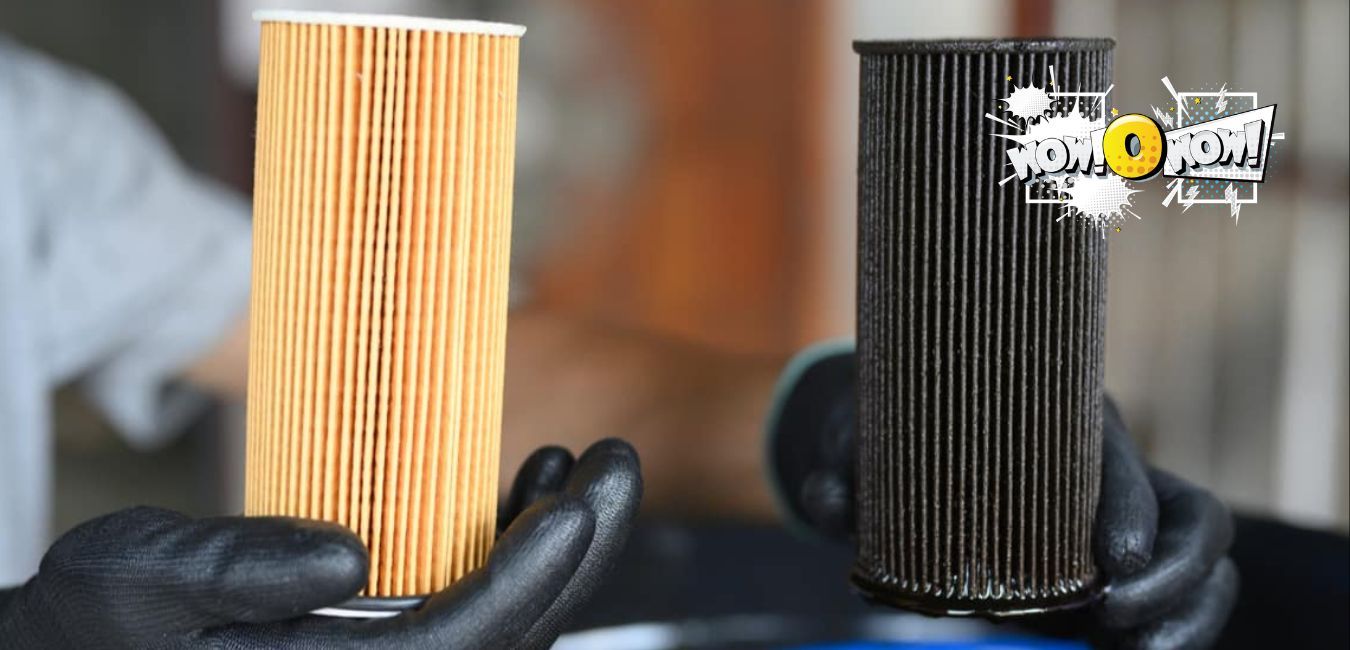
A clogged oil filter does not stop the engine, because oil filters include a bypass valve. When the filter gets too clogged to flow, that valve opens and lets oil skip the filter, so the engine keeps getting the oil it needs. This is a safety feature that prevents oil starvation. The valve is simple: it responds to the pressure difference across the filter, so when a clogged filter makes the oil struggle to pass, the rising pressure lifts the valve off its seat and oil flows straight through. Most filters also have an anti-drain-back valve that holds oil in the filter when the engine is off, so you get pressure the instant you start up. The downside is that a neglected filter quietly circulates dirty, unfiltered oil instead of loudly failing, so you rarely notice until wear has set in.
That is the key to this whole question. The bypass valve is why skipping the filter almost never leaves you stranded on the spot, and also why the harm is so easy to ignore: the engine runs normally while unfiltered oil does its slow damage. Dirty oil is better than no oil, but it is not something to run on for long.
What unfiltered oil does to your engine
Unfiltered oil carries the very particles the filter is meant to trap: fine metal, carbon, and dirt. As that gritty oil circulates, the abrasive particles wear the bearings, cylinder walls, and oil pump, sludge builds up in the passages, and oil pressure and lubrication slowly degrade. Over enough time the engine loses compression, runs less efficiently, and its life is shortened. The wear is cumulative rather than a one-time event: one late filter change on an otherwise well-kept engine does little, while chronic neglect over many intervals is what does the harm. Bearings tend to suffer first, since they ride on a microscopically thin film of oil that grit disrupts, followed by the cylinder walls and the oil pump itself.
| What happens | Why | Result |
|---|---|---|
| Abrasive particles circulate | The bypass valve sends unfiltered oil through | Bearings and cylinders wear |
| Sludge builds up | Trapped dirt is no longer being removed | Clogged passages and lower flow |
| Oil pressure drops | Sludge and wear restrict flow | Poorer lubrication |
| Compression falls | Cylinder and ring wear add up | Lost power and efficiency |
You may feel nothing at all for a long time, which is the trap. If a badly clogged filter ever does restrict flow enough to drop oil pressure, you might see the oil-pressure light or hear a cold-start rattle, and that is a stop-and-check situation rather than a keep-driving one. The lost efficiency is real, and keeping up with oil and filter changes protects both the engine and its fuel economy, as the U.S. Department of Energy notes. This slow, hidden wear is also one way a car can end up losing oil with no leak or smoke, and if lubrication drops far enough, it feeds into whether low oil can cause a car to shut off.
Can you change the oil without changing the filter?
You can change the oil without changing the filter, but it is a false economy. The old filter still holds a small amount of dirty oil and the contaminants it trapped, which mix straight back into your fresh oil, so you never get a truly clean start. It also leaves the filter aging toward the clog point. Changing the filter every time you change the oil is the simple, safe rule. Some drivers change it every other oil change to save a few dollars, and on a modern engine with clean oil the harm is small, but it is a gamble whose savings are tiny next to the cost of engine wear, which is why virtually every shop changes the filter with the oil as standard.
This is different from skipping the oil itself, which does its own damage, covered in what happens if you don’t change the oil.
How often should the oil filter be changed?
Change the oil filter at every oil change, following the interval in your owner’s manual. AAA notes that most manufacturers recommend replacing the filter with each oil change to keep the engine running its best. Some extended-life filters exist, but matching the filter to the oil change is the simplest, safest rule, and the one most shops follow by default. Severe service shortens the interval: frequent short trips, stop-and-go traffic, towing, or dusty conditions load the filter faster, so many manuals list a shorter severe-service schedule to follow if most of your driving fits that pattern.
Frequently asked questions
Can a clogged oil filter damage the engine?
Yes, a clogged oil filter can damage the engine. Once it clogs, the bypass valve sends unfiltered oil through the engine, and the abrasive particles in that oil wear the bearings and cylinders over time. The damage is gradual rather than sudden, which is why it often goes unnoticed until it is serious.
What are the signs of a bad oil filter?
Signs of a bad or clogged oil filter can include lower oil pressure, a rougher or weaker-running engine, dirtier exhaust, and oil that darkens quickly. Often, though, there are no obvious symptoms until wear has already occurred, which is exactly why changing the filter on schedule matters so much.
How long can you go without changing the oil filter?
There is no safe extended period to skip the oil filter, since it is designed to change with the oil at your manufacturer’s interval. Going well beyond that lets it clog and circulate unfiltered oil, so changing it sooner is far cheaper than the engine wear that follows.
Does a new oil filter improve performance?
A new oil filter does not add power, but it keeps clean oil flowing and protects the engine, which preserves the performance and life the engine already has. Its job is protection, not a boost, so expect a clean filter to prevent problems rather than make the car faster.
What to do now
Change the oil filter at every oil change. A clogged one does not stall the car, but its bypass valve quietly circulates unfiltered, gritty oil that wears the engine from the inside, and the fix costs far less than the damage. Safe to drive? Yes in the short term, but do not put it off, since the wear is ongoing. Have any wear symptoms checked by an ASE-certified technician. The same slow-neglect logic applies to not rotating your tires. For intervals and everything oil, see our complete oil and engine oil guide, or browse more automotive guides.
