

At a Glance
| Typical lifespan | 8–10+ years or 100,000–150,000 miles (often longer) |
| Warranty (federal minimum) | 8 years / 100,000 miles |
| Warranty (CARB states) | 10 years / 150,000 miles |
| Replacement cost | Roughly $2,000–$6,000+ installed, varies widely by model (verify) |
| Two batteries | A high-voltage traction pack + a separate 12V; the 12V fails more often |
| DIY the big pack? | No — high-voltage battery service is a qualified-technician job |
Hybrid batteries last far longer than most drivers fear, and total failures are uncommon within the warranty period. This guide covers how long the high-voltage pack really lasts, how warranty coverage works, what shortens battery life, the warning signs of a failing pack, and what a replacement costs. It also clears up the single most common hybrid confusion: the difference between the big traction battery and the ordinary 12-volt battery.
Lifespan and cost figures below are sourced typical ranges. Your exact warranty terms and replacement cost are model-specific — confirm them in your warranty booklet and with a dealer or qualified hybrid technician.
Table of Contents
How long does a hybrid battery actually last?
A hybrid’s high-voltage battery typically lasts 8 to 10 years or 100,000 to 150,000 miles, and real-world examples routinely reach 150,000 to 200,000 miles. Manufacturers design these packs to last roughly the life of the vehicle when properly maintained, which is why battery replacement is far less common than prospective hybrid buyers expect.
Lifespan is not fixed by mileage alone. Heat, climate, driving patterns, and maintenance all move the number, so two identical models can age differently. The battery does lose a little capacity every year rather than failing all at once, and studies suggest hybrids and EVs shed roughly 5–10% of capacity over the first five years. The U.S. Department of Energy’s fueleconomy.gov is a good federal reference on how these batteries age. The practical takeaway: expect a decade or more, not a sudden cliff.
Hybrid battery vs. the 12-volt battery: which one is failing?
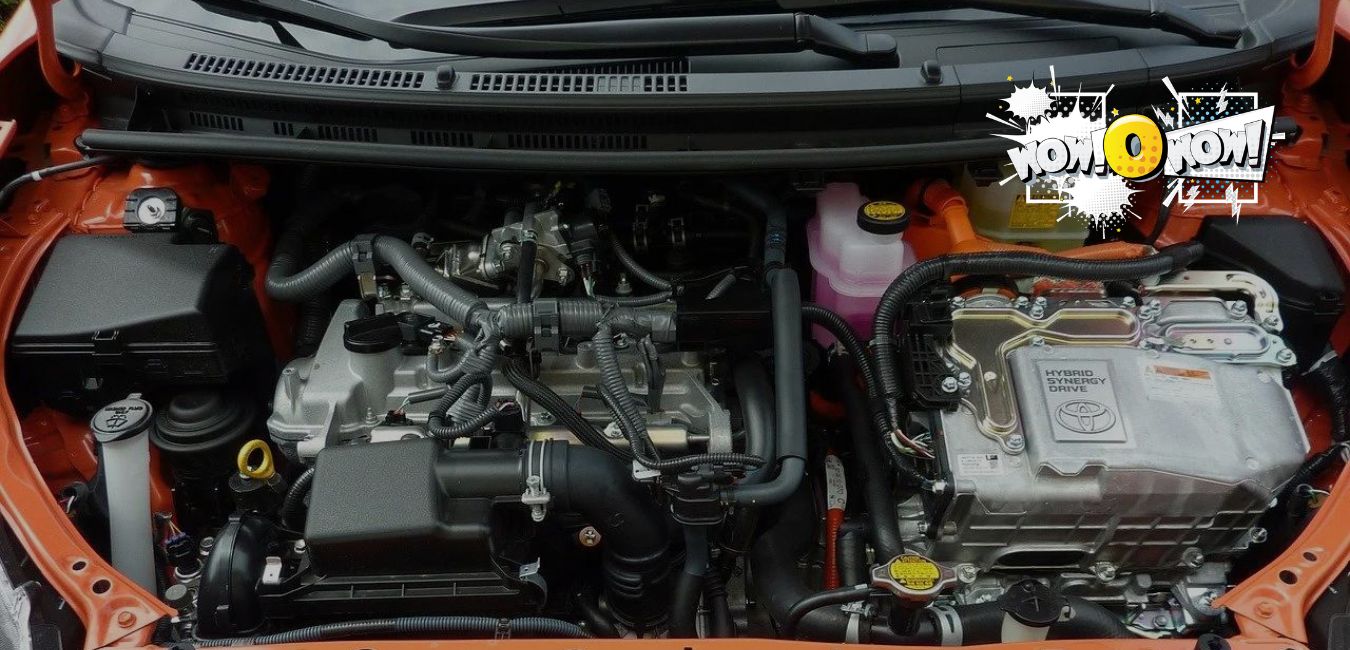
A hybrid has two separate batteries, and telling them apart saves a lot of money and worry. The large high-voltage traction pack (hundreds of volts) powers the electric motor. A separate, ordinary 12-volt battery boots the computers and hybrid system, exactly like the battery in a gas car. When a hybrid “won’t start,” the culprit is usually the cheap 12-volt battery, not the expensive pack.
Caution: the high-voltage system is genuinely dangerous. Its cabling is bright orange, and its voltage can be lethal. Never open, probe, or attempt to service the high-voltage battery yourself. That work is for a dealer or a qualified hybrid technician with the right training and tools. The 12-volt battery, by contrast, is a normal owner-serviceable battery, and everything in our complete car battery guide applies to it — testing, jump-starting, and replacement. If your hybrid is completely dead with no dashboard lights, suspect the 12-volt battery first.
What does the hybrid battery warranty cover?
Hybrid battery warranties are unusually long, which tells you how confident manufacturers are in these packs. Federal law sets a floor of 8 years or 100,000 miles, and states following California’s emissions rules require 10 years or 150,000 miles. Coverage generally pays for repair or replacement if the pack fails or drops below a set capacity, typically around 70% of original.
| Coverage | Term |
|---|---|
| Federal minimum (all states) | 8 years / 100,000 miles |
| CARB states (California + states following its rules) | 10 years / 150,000 miles |
| Toyota (nationwide, 2020 model year and newer) | 10 years / 150,000 miles |
| Typical replacement trigger | Capacity falls below ~70% of original |
Terms vary by manufacturer, model year, and whether the vehicle is a plug-in hybrid, so the deciding document is your own warranty booklet. As an example of how coverage has expanded, Toyota extended the 10-year/150,000-mile term to all states on its 2020-and-newer hybrids, as stated on its electrified-vehicle warranty page. The federal battery-warranty requirement itself is an emissions rule; the EPA is the authority behind it. Many failures that do happen fall inside these windows and cost the owner nothing.
What shortens a hybrid battery’s life?
Heat is the single biggest enemy of a hybrid battery, followed by age, mileage, and neglect of the battery’s cooling system. The pack is managed by a computer that avoids fully charging or fully draining it, which is why these batteries last so long, but a few conditions still wear them faster:
- Heat. High temperatures and hot climates accelerate the chemical wear inside the pack. Extreme heat is harder on battery life than cold.
- A blocked battery cooling intake. Many hybrids cool the pack with a vent, often inside the cabin near the rear seat. Blocked or dirty vents let the battery run hot and age early.
- Age and high mileage. Every year and every mile adds gradual capacity loss, which is normal and unavoidable.
- Cold weather. Cold temporarily reduces available capacity and performance, the same effect seen on a normal battery — see how cold weather affects a battery.
- Long storage at low charge. Leaving a hybrid parked for months can let the 12-volt battery die and isn’t ideal for the pack either.
What are the signs of a failing hybrid battery?
A failing hybrid battery announces itself through fuel economy and the hybrid system long before it quits entirely. Watch for these signs together rather than in isolation, since one alone can have other causes:
- Fuel economy drops noticeably. A weakening pack forces the gas engine to do more work.
- The gas engine runs more often and rarely shuts off at stops, because the electric side can’t carry its share.
- A hybrid-system or check-hybrid warning light appears. This is the clearest single signal and should be diagnosed promptly.
- The charge gauge swings erratically or won’t hold a steady state of charge.
- Reduced power or less electric-only driving than the car used to deliver.
- The battery cooling fan runs loud and often as it fights to keep a struggling pack cool.
These symptoms point to the high-voltage pack. If instead the car simply won’t wake up at all, that pattern points back to the 12-volt battery, not the traction pack.
How much does a hybrid battery cost to replace?
A hybrid battery replacement typically runs about $2,000 to $6,000 installed, and the range is genuinely wide because it depends heavily on the model, the pack size, and whether you choose a new, refurbished, or dealer battery. Common hybrids like the Toyota Prius tend to sit at the lower end; large plug-in and luxury packs can cost more. Every figure below varies by vehicle — confirm a quote for yours.
| Option | Typical range (verify) |
|---|---|
| Reconditioned / refurbished pack | ~$1,000–$2,500 |
| New pack, common hybrids (part only) | ~$2,000–$4,000 |
| Labor | ~$500–$1,500+ |
| New pack installed (many models) | ~$2,000–$6,000+ |
| Large plug-in / luxury packs | Can exceed $6,000–$8,000+ |
The good news is that most failures within the 8-to-10-year, 100,000-to-150,000-mile window are covered by warranty at no cost to you. Out of warranty, a reconditioned pack is the budget route, though it carries a shorter guarantee. If you’re weighing the bill against the car’s value, our guide on why car batteries are so expensive gives useful context, and when a pack is truly finished it is recycled, not landfilled — see what happens to old car batteries.
Can I extend my hybrid battery’s life?
You can meaningfully extend a hybrid battery’s life mostly by managing heat and keeping up with service, since the car’s computer already handles the charging for you. None of this requires touching the high-voltage system:
- Keep the battery cooling vents and intake clean and unblocked so the pack stays cool.
- Drive the car regularly rather than letting it sit for long stretches.
- Park in shade or a garage in extreme heat when you can.
- Keep up with scheduled hybrid service and any software updates, which can improve battery management.
- Address a hybrid warning light early instead of waiting, since a struggling pack can strain other components.
Have a dealer or qualified hybrid technician handle any diagnosis or service of the high-voltage battery. You can find a certified technician through ASE. The one battery you can look after yourself is the 12-volt.
Frequently asked questions
What happens when a hybrid battery dies?
When the high-voltage battery fails, the car loses its hybrid function and usually triggers a warning light, and it may run poorly on the gas engine alone or refuse to run properly at all. It rarely strands you instantly, but the vehicle needs the pack to operate as designed, so a failing battery should be diagnosed rather than ignored.
Is it worth replacing a hybrid battery?
Often, yes, if the rest of the car is in good shape. A replacement pack, especially a reconditioned one, can be far cheaper than buying another car, and it restores the fuel economy the hybrid was built for. Weigh the quoted cost against the vehicle’s overall value and condition before deciding.
Can you drive a hybrid with a dead hybrid battery?
Generally no, or only in a limited limp mode. Most hybrids cannot run properly without a working traction battery, and some won’t move at all, so it isn’t something to rely on. If the pack fails, have the car diagnosed rather than trying to nurse it along. A car can’t run on a dead battery of any kind for long — related reading: can a car run without a battery.
Does the 12-volt battery in a hybrid die too?
Yes, and it’s the more common failure by far. A hybrid has an ordinary 12-volt battery that boots the system, and when it dies the car won’t start even though the expensive traction pack is perfectly fine. It’s testable and replaceable like any normal car battery, which our complete car battery guide covers in full.
How do I know if it’s the hybrid battery or the 12-volt?
A dead 12-volt battery usually means no dashboard, no boot, and a completely lifeless car, just like a normal no-start. A failing high-voltage pack instead shows warning lights, worse fuel economy, and power loss while the car still powers up. Getting the 12-volt checked first is the cheaper starting point — see the signs of a dying car battery.
What to do now
Expect your hybrid’s high-voltage battery to last 8 to 10 years or 100,000 to 150,000 miles, often longer, with warranty coverage of at least 8 years/100,000 miles (10/150,000 in CARB states). Manage heat, keep the cooling vents clean, and address warning lights early. And remember the money-saving distinction: if the car simply won’t start, suspect the ordinary 12-volt battery before the expensive pack, and leave all high-voltage work to a qualified technician. For everything on the 12-volt side, see our complete car battery guide, or the broader automotive care hub.
