

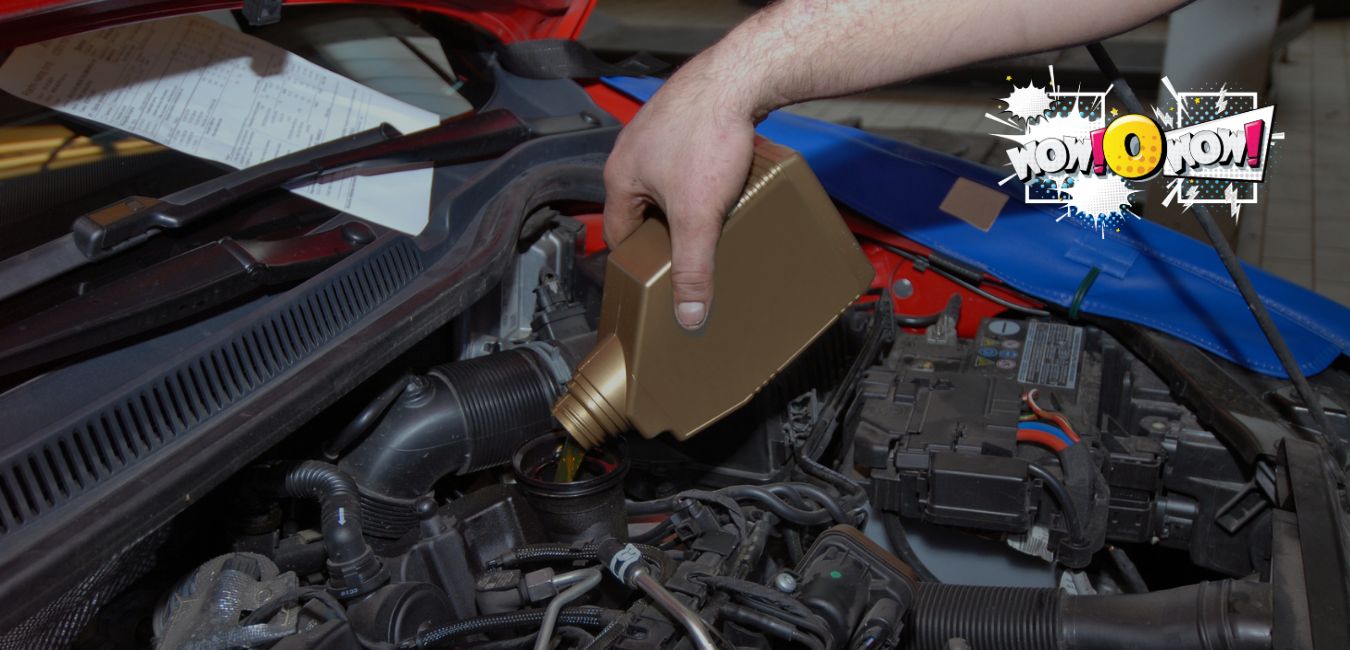
| Can you do it? | Yes, adding oil to a hot engine is safe |
| The myth | Oil does not shock or crack the engine; that is a coolant worry |
| The one rule | Engine off; never add oil to a running engine |
| Before you read the dipstick | Wait a few minutes for the oil to settle in the pan |
| Main hazard | Burns from hot parts; use a cloth on the filler cap |
| Biggest mistake | Overfilling past the full mark |
This guide gives a clear yes, corrects the myth behind the question, and walks through the safe way to add oil to a warm or hot engine: doing it with the engine off, why to wait a few minutes, the step-by-step method, and what happens if you overfill.
Oil grade, capacity, and whether to check warm or cold are set by your vehicle, so confirm them in the owner’s manual. Wait times here are general guidance, not exact rules.
Table of Contents
Is it safe, or will it damage the engine?
Adding oil to a hot engine is safe and will not damage it. The fear that it will crack or shock the engine comes from a mix-up with coolant, not oil. Pouring cold coolant into an overheated engine, or cold water onto a hot radiator, can cause real thermal shock, but a small pour of engine oil into the filler does not. The genuine risks here are burns and overfilling, not cracking.
The reason is simple. Coolant sits against very hot metal in large volume and can cause sudden, uneven contraction. A quart of oil poured through the filler cap mixes into the sump and never touches those extremes the same way, so the crack-and-shock story does not apply to topping up oil. Even in cold weather, pouring room-temperature oil into a hot engine is fine, since modern multigrade oils and cast engines handle the small temperature difference without trouble. If a warning light is what sent you here, that is a separate issue, covered in whether low oil can cause a car to shut off.
Caution: the real danger while you work is the hot engine bay. The exhaust manifold and other metal can be hot enough to burn, so keep your hands clear and let it cool a little if you can.
Should the engine be off or running?
Always turn the engine off before adding oil. Never pour oil into a running engine: it can splash onto the hot exhaust, there are moving parts near the filler area, and the circulating oil makes an accurate level impossible to read. With the engine off, and ideally after a short wait, you can add oil safely and read the dipstick correctly.
For more on that exact question, see whether the car should be running when adding oil.
The engine’s temperature does not stop you adding oil; only a running engine does. Here is what to do at each state.
| Engine state | Can you add oil? | What to watch |
|---|---|---|
| Cold, sat overnight | Yes | Gives the most accurate dipstick reading |
| Warm, driven recently | Yes | Wait a few minutes for the oil to drain back |
| Hot, just switched off | Yes | Mind burns; let it settle before reading |
| Running | No | Never add oil to a running engine |
Why wait a few minutes before checking the level?
Wait a few minutes after shutting the engine off so the oil drains back into the pan before you read the dipstick. Right after running, a lot of oil is still up in the engine, so a reading taken immediately looks low and tempts you to overfill. AAA advises letting a warmed-up engine sit for a few minutes so the oil settles for an accurate measurement. Park on level ground for the same reason: on a slope the oil pools to one side and the dipstick reads high or low. A minute or two on flat ground, engine off, gives the truest number.
For the full dipstick routine, see how to check your engine oil level.
How to add oil to a hot engine, step by step
Adding oil to a warm engine is a simple job if you go slowly and read the level as you go.
- Park on level ground and turn the engine off. A level surface and a still engine give both an accurate reading and a safe workspace.
- Wait a few minutes. Let the oil drain back into the pan so the dipstick reads true rather than low.
- Read the dipstick. Pull it out, wipe it clean, reinsert it fully, then pull it again and note where the oil sits between the low and full marks.
- Open the oil filler cap. Use a cloth, since the cap and cover can be warm. This is the cap on top of the engine, not the dipstick tube.
- Add a little at a time. Pour in a small amount, then pause. It is far easier to add more than to remove excess.
- Re-check and stop at the full mark. Read the dipstick again and repeat until the level reaches, but does not pass, the full mark, then replace the cap firmly.
On many engines the distance from the low mark to the full mark is roughly one quart, so add a fraction of that at a time and let it settle for a moment before re-reading. Confirm your engine’s oil capacity in the owner’s manual, since it varies by vehicle.
Caution: keep your hands and the oil bottle away from the hot exhaust, and never add oil with the engine running. Use the grade your owner’s manual specifies, since the manufacturer-recommended oil is what the engine is built for and, per the U.S. Department of Energy, keeps it running efficiently.
What happens if you overfill?
Overfilling is the real risk when you top up a hard-to-read hot engine. Too much oil lets the spinning crankshaft whip it into foam, which reduces lubrication, and the extra pressure can stress seals and gaskets. On some cars it can also foul the emissions system. A little above the full line is usually harmless, but once you are well over the mark, drain or extract the excess back down to full rather than driving on it.
For the full picture, see what happens if you put too much oil in your car. If you keep needing to top up between changes, the engine is using or leaking oil, so have it checked by an ASE-certified technician. And remember a top-up is not a service, so it helps to know the difference between an oil change and adding oil.
Frequently asked questions
Can you add oil to a hot engine without damaging it?
Yes, you can add oil to a hot engine without damaging it, since oil does not cause the thermal shock that cold coolant can. The small volume poured through the filler simply mixes into the sump. Turn the engine off, mind the hot parts to avoid burns, and add gradually so you do not overfill.
Do you check oil hot or cold?
You can check oil either hot or cold, but wait a few minutes after running so the oil drains back for an accurate reading. Many owner’s manuals specify checking the engine warm, while others prefer it cold and level. Check yours, since the correct method is set by the manufacturer.
Can I add cold oil to a hot engine?
Yes, adding room-temperature oil to a hot engine is fine. The small amount poured through the filler does not shock or crack the engine the way cold coolant on hot metal can. Add it a little at a time and re-check the dipstick so the level does not go past the full mark.
How long should I let the engine cool before adding oil?
You do not need the engine fully cold to add oil, since a few minutes off is enough for a safe, accurate top-up. Letting it cool a little longer mainly reduces the risk of burning yourself on hot components. The wait matters more for an accurate dipstick reading than for safety.
What to do now
Yes, you can add oil to a hot engine. Turn it off first, wait a few minutes for the oil to settle, read the dipstick, and add a little at a time until it reaches the full mark, minding the hot parts and not overfilling. The crack-and-shock worry belongs to coolant, not oil. For intervals, checks, and everything oil, see our complete oil and engine oil guide, or browse more automotive guides.
